Electric tractor in agriculture: where does it fit?
The short answer
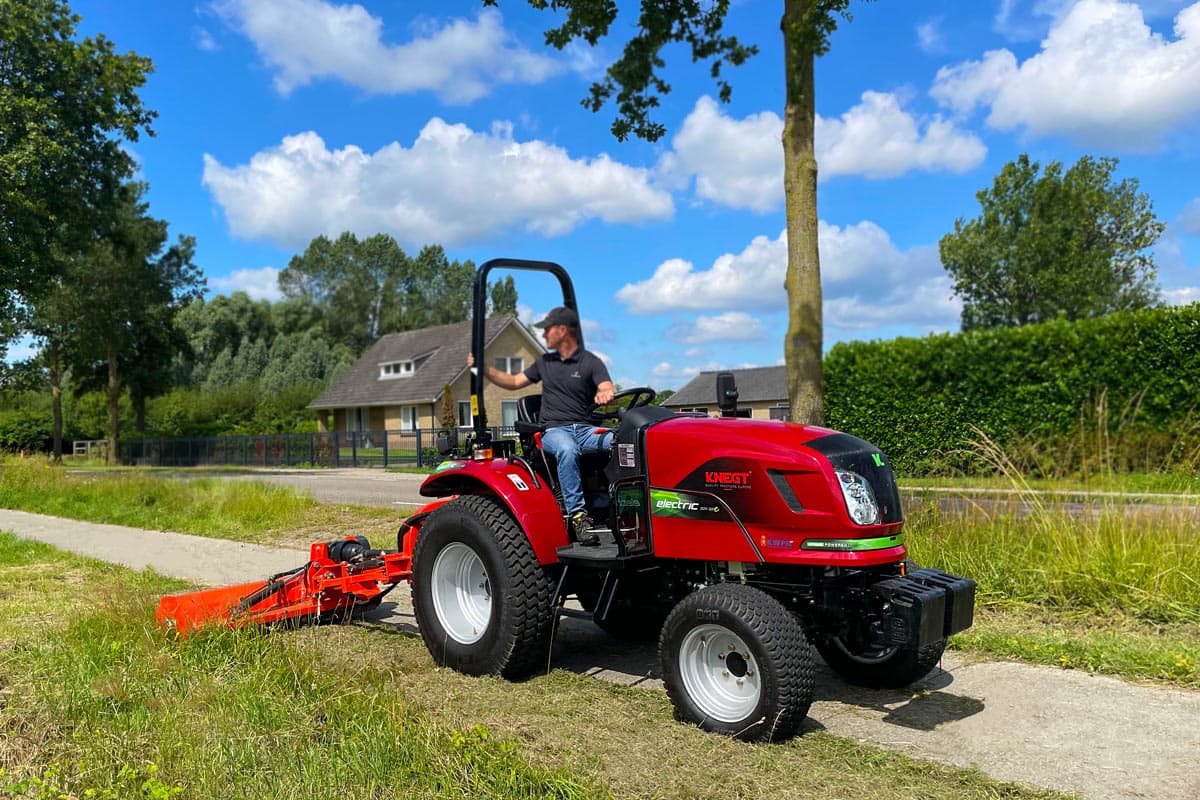
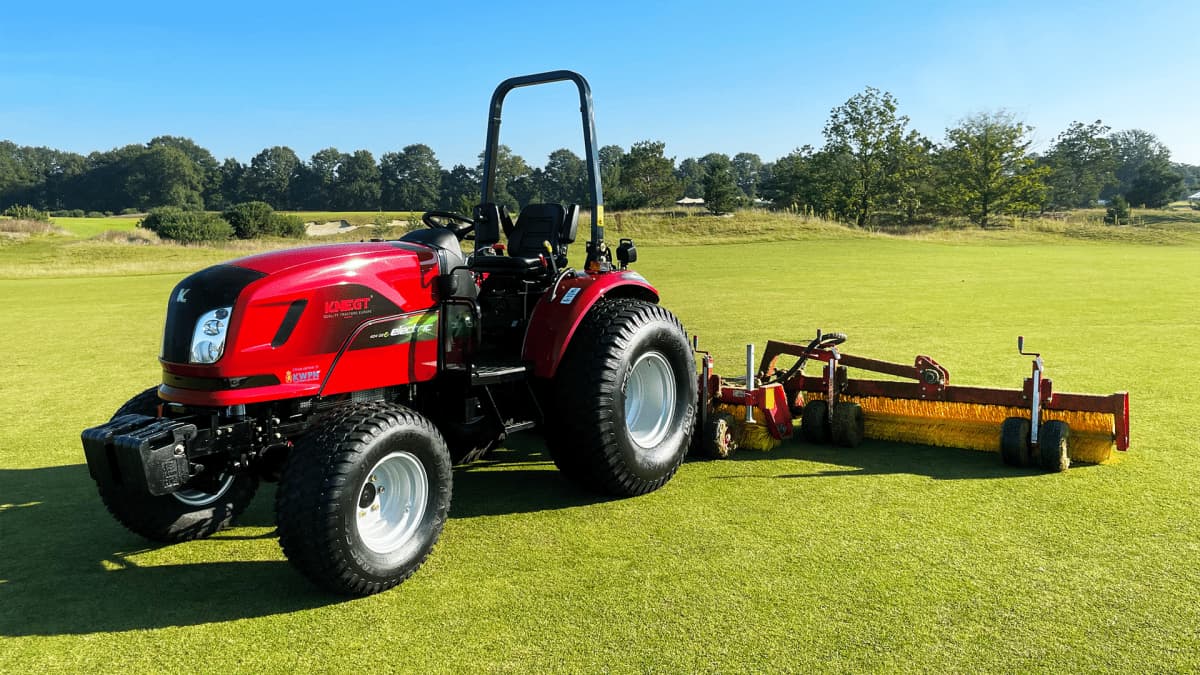
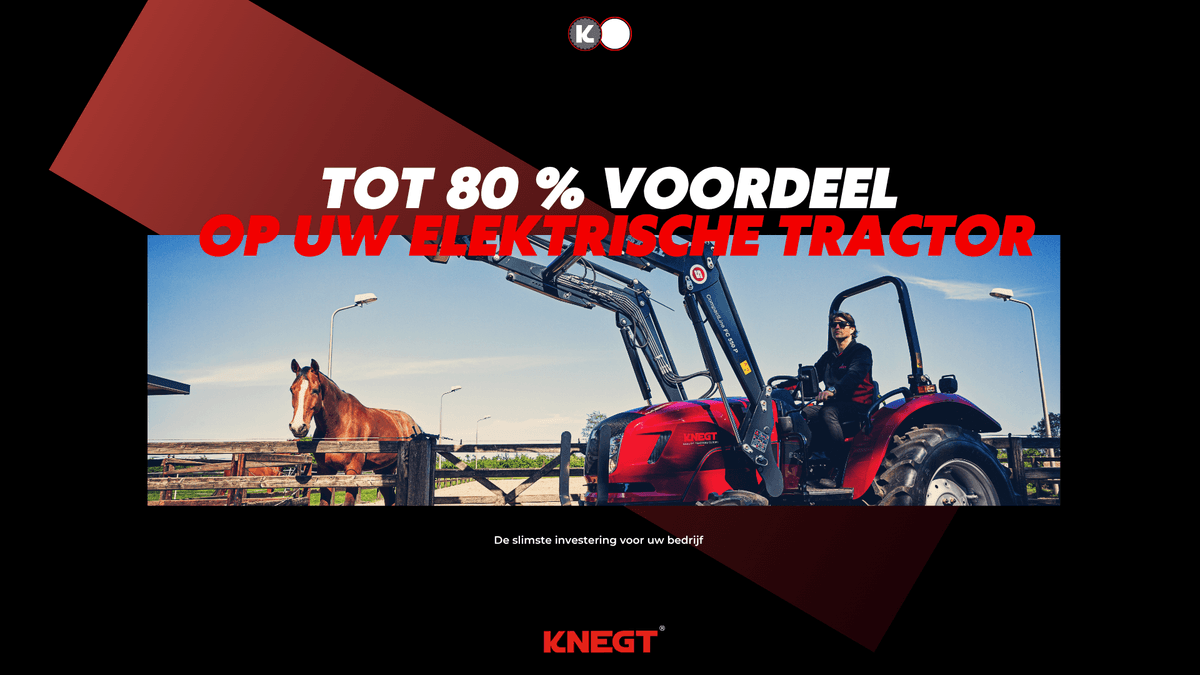
On a farm, an electric tractor fits best with the daily work around the yard: feeding, mucking out, moving straw and hay, pasture management, mowing and transport around the farm. An electric compact tractor runs quietly and without exhaust fumes, so you can also drive it inside barns and sheds.
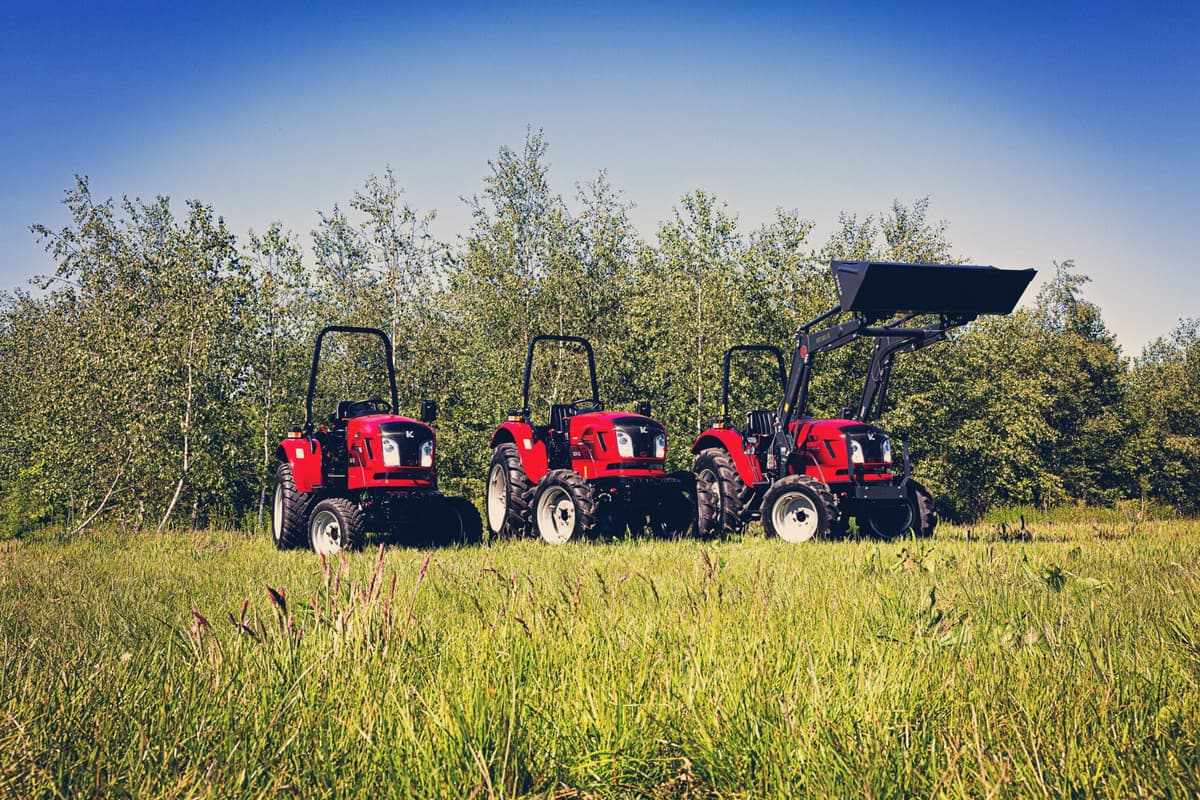
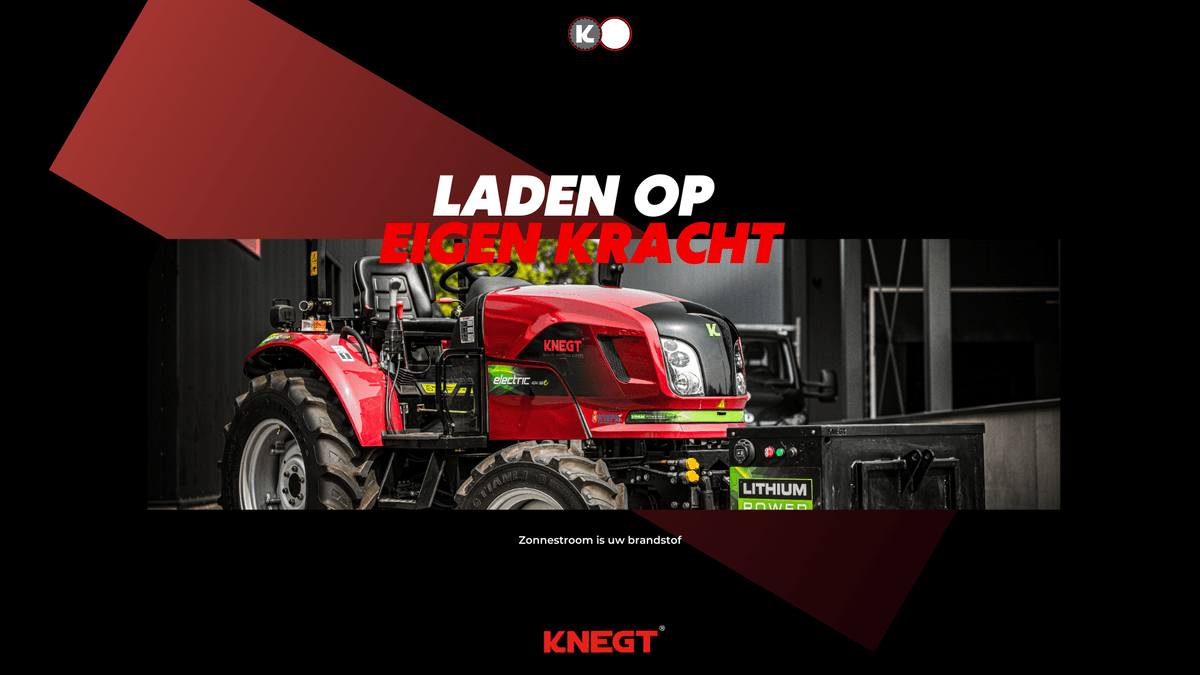
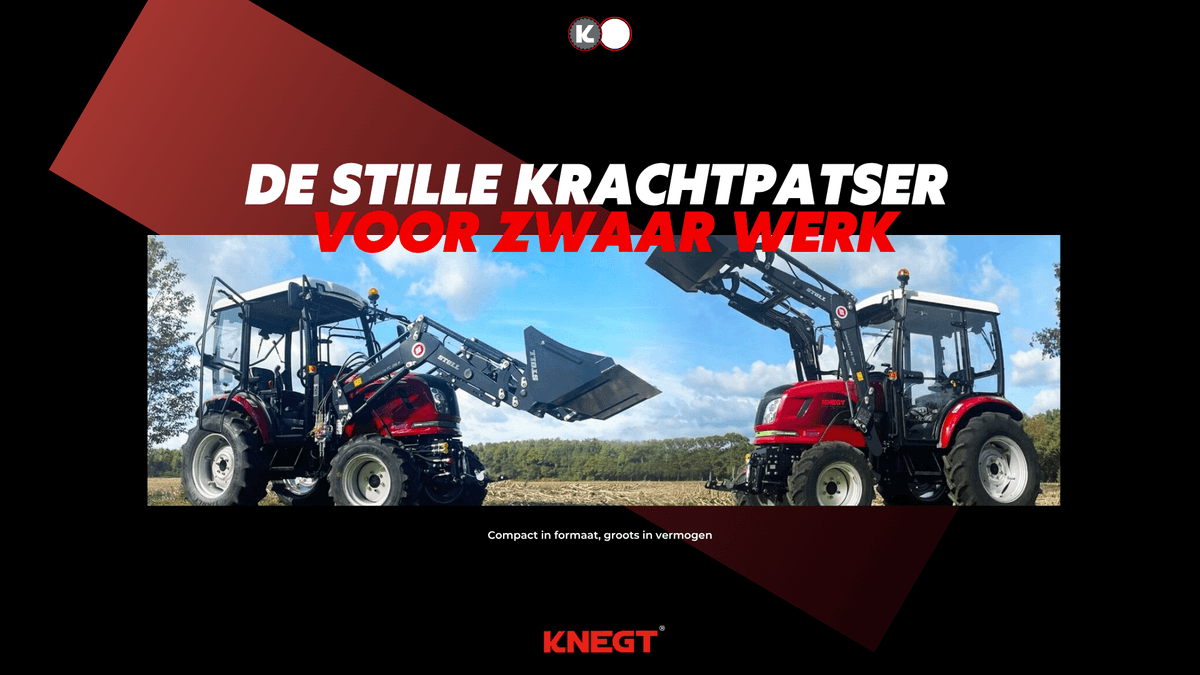
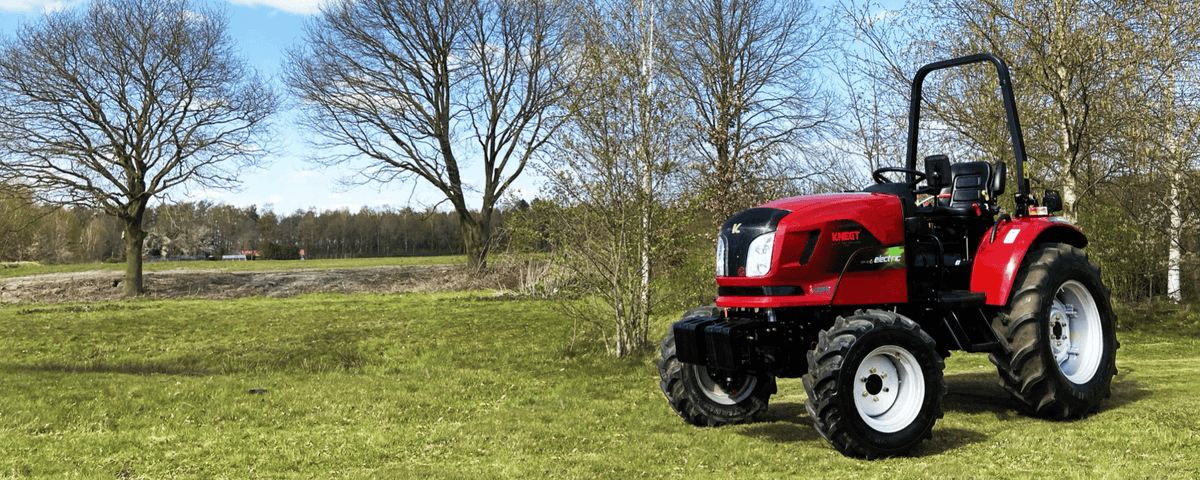
For heavy draught work on large fields, a large farm tractor is usually the logical choice. The electric Knegt models 304G2E, 404G2E and 504G3E are compact tractors from 45 to 65 hp, built for the versatile work on and around the farmyard.
Which jobs does an electric tractor do on the farm?
On a livestock or mixed farm there are many short, recurring jobs for which a large tractor is too bulky. That is where an electric compact tractor comes into its own.
- Feeding: pushing up feed and pulling feed wagons to the barn, even in narrow alleys and tight spaces.
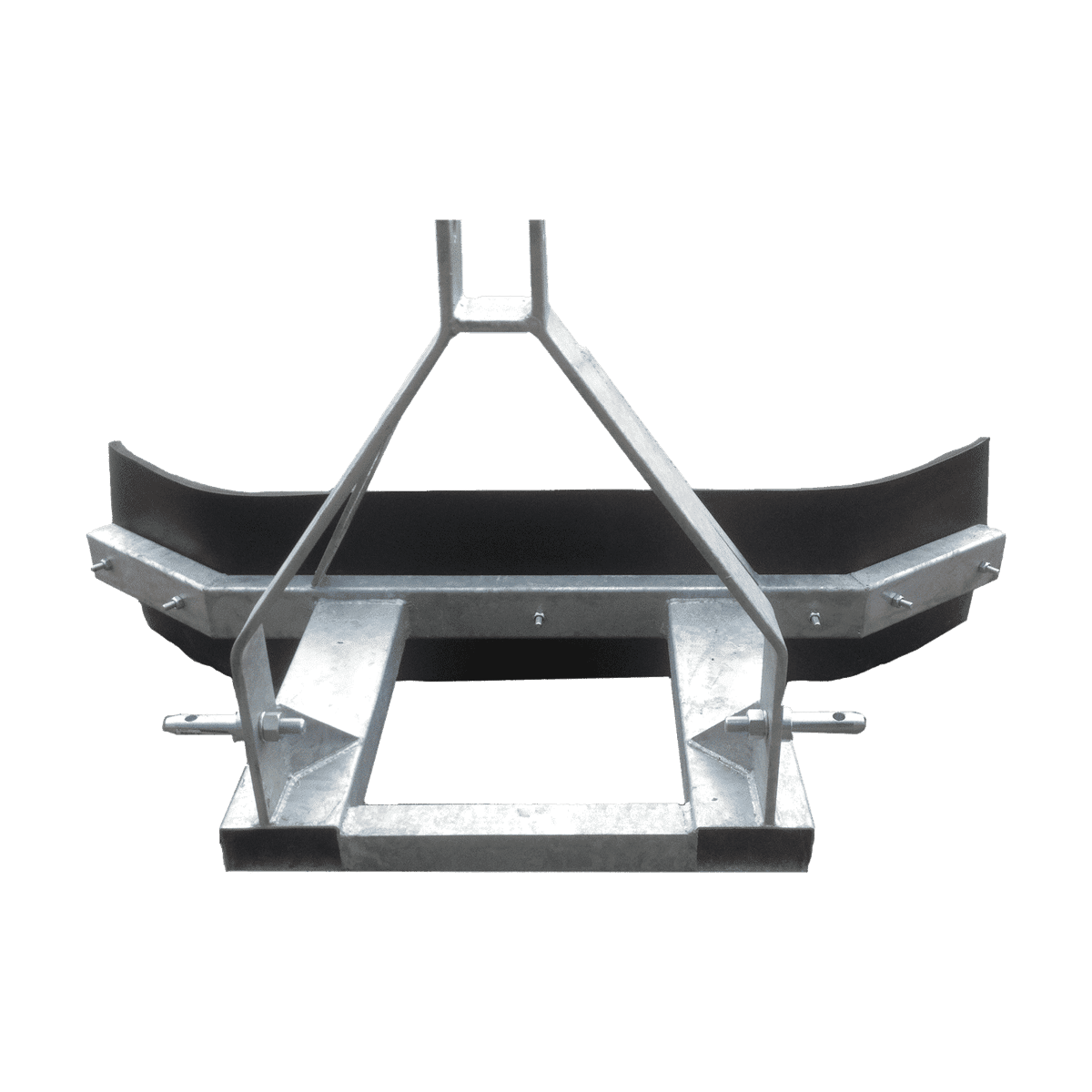
- Manure management: mucking out with a manure scraper or with a front loader fitted with a manure grab or bucket.
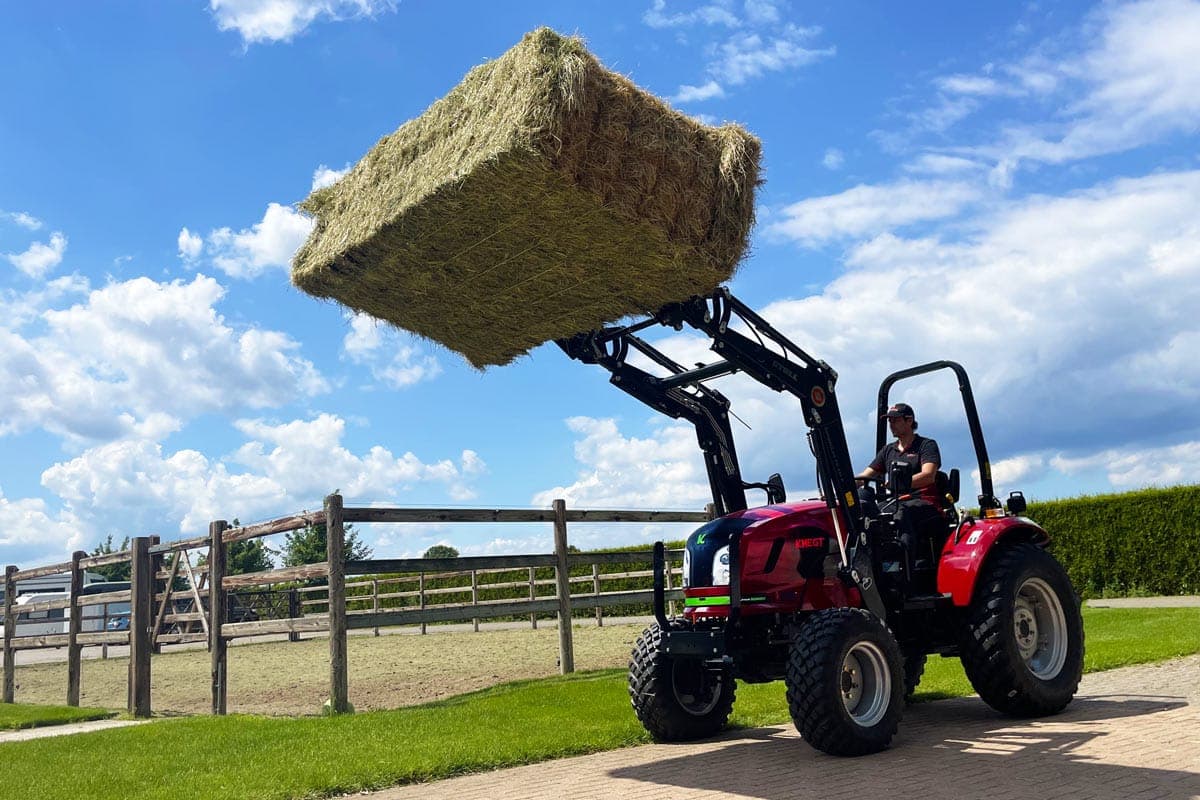
- Straw and hay: moving bales with a bale spear on the front loader.
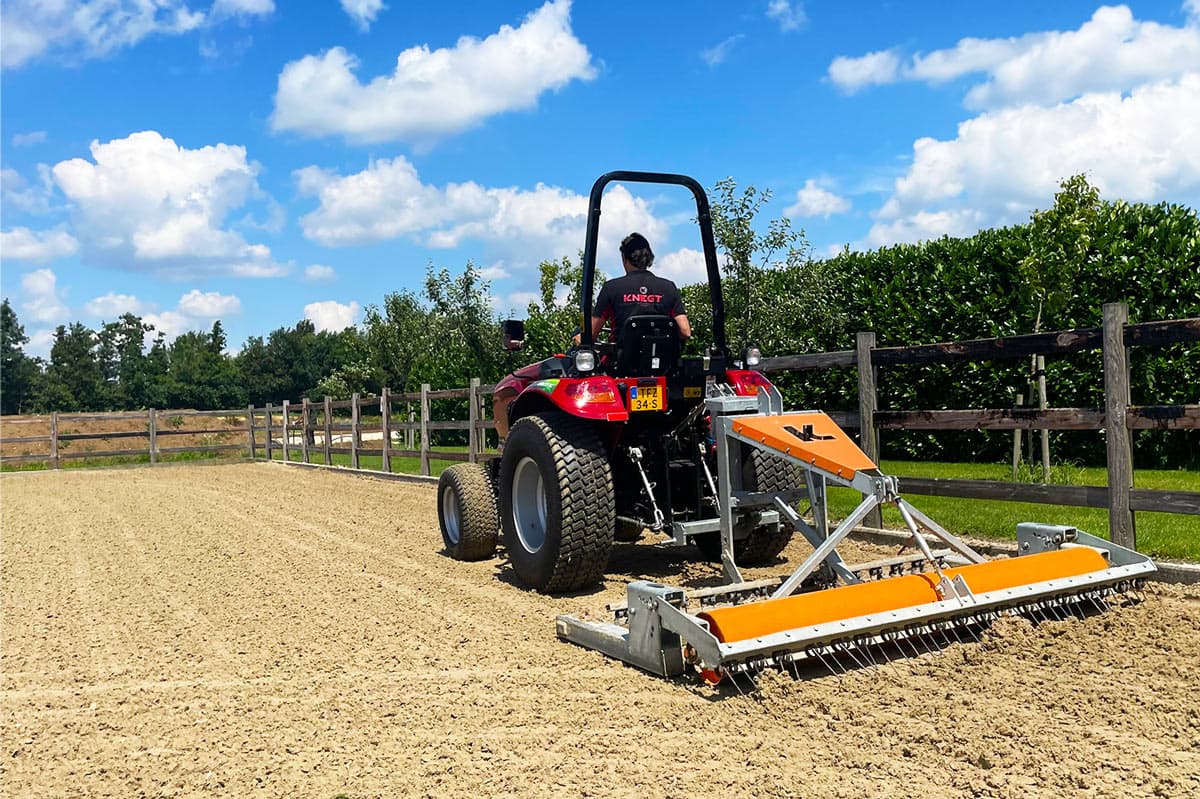
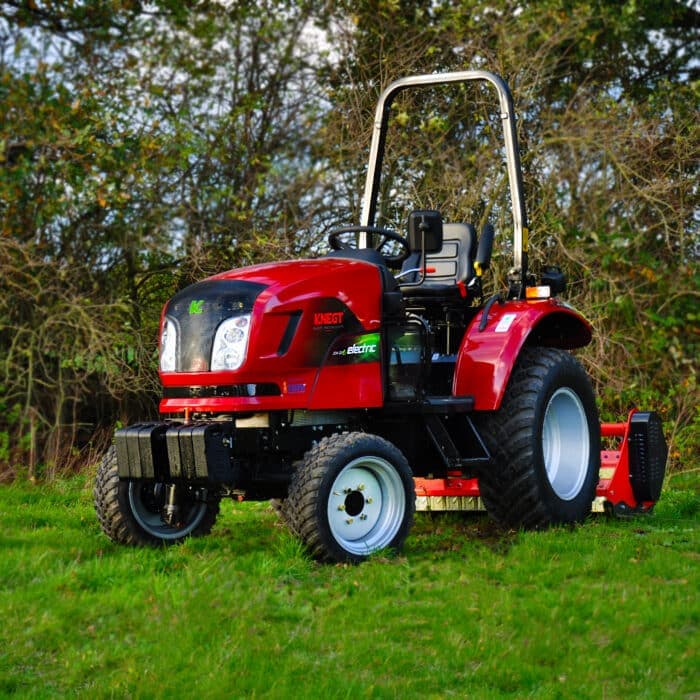
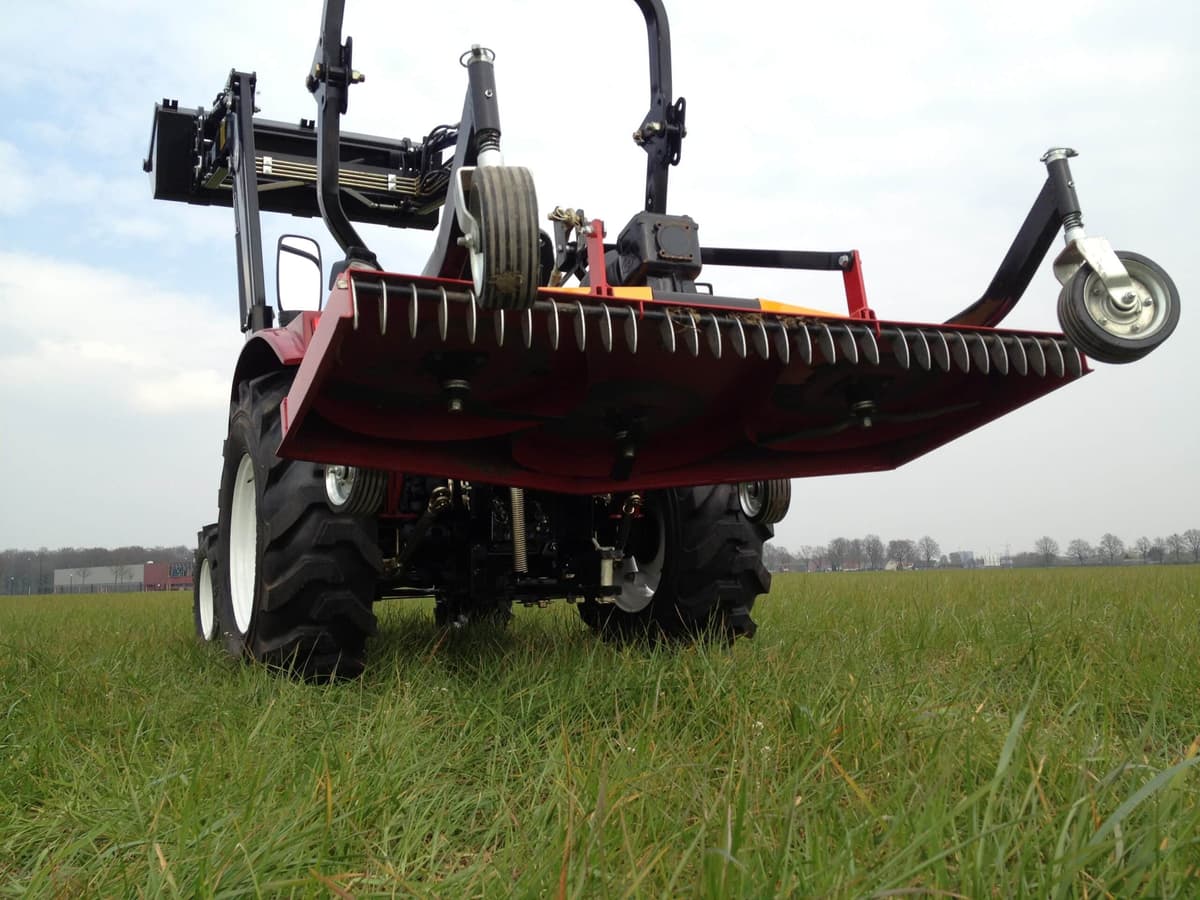
- Pasture management: mowing with a flail mower and caring for the sward with a pasture harrow.
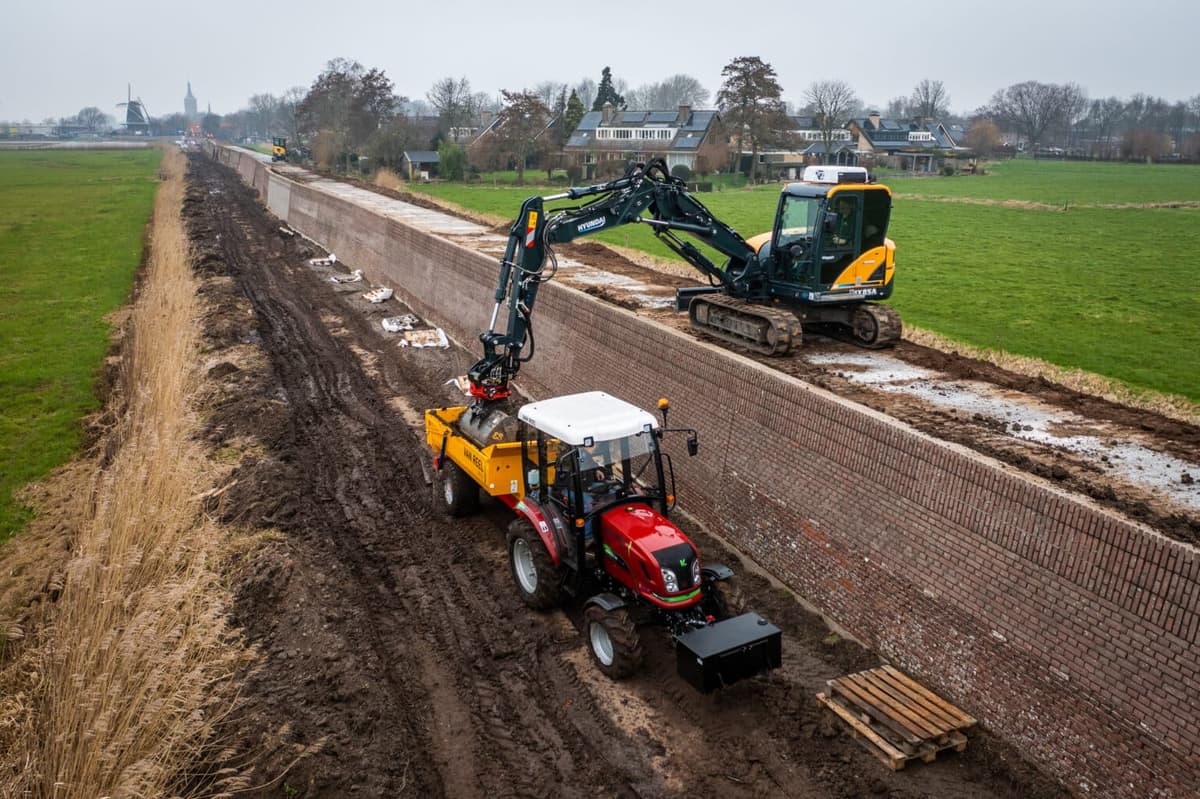
- Farmyard transport: moving trailers, pallets of feed or bagged goods, and materials.
- Seasonal work: keeping the yard and paths clear, and pushing snow in winter.
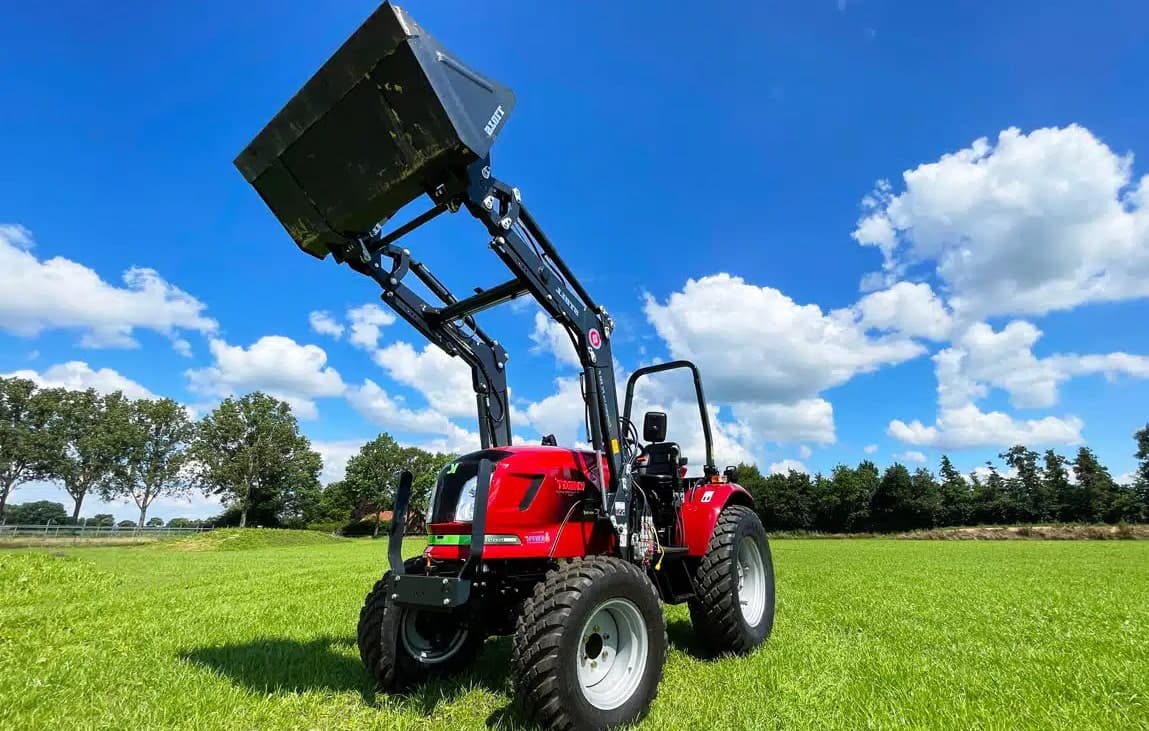
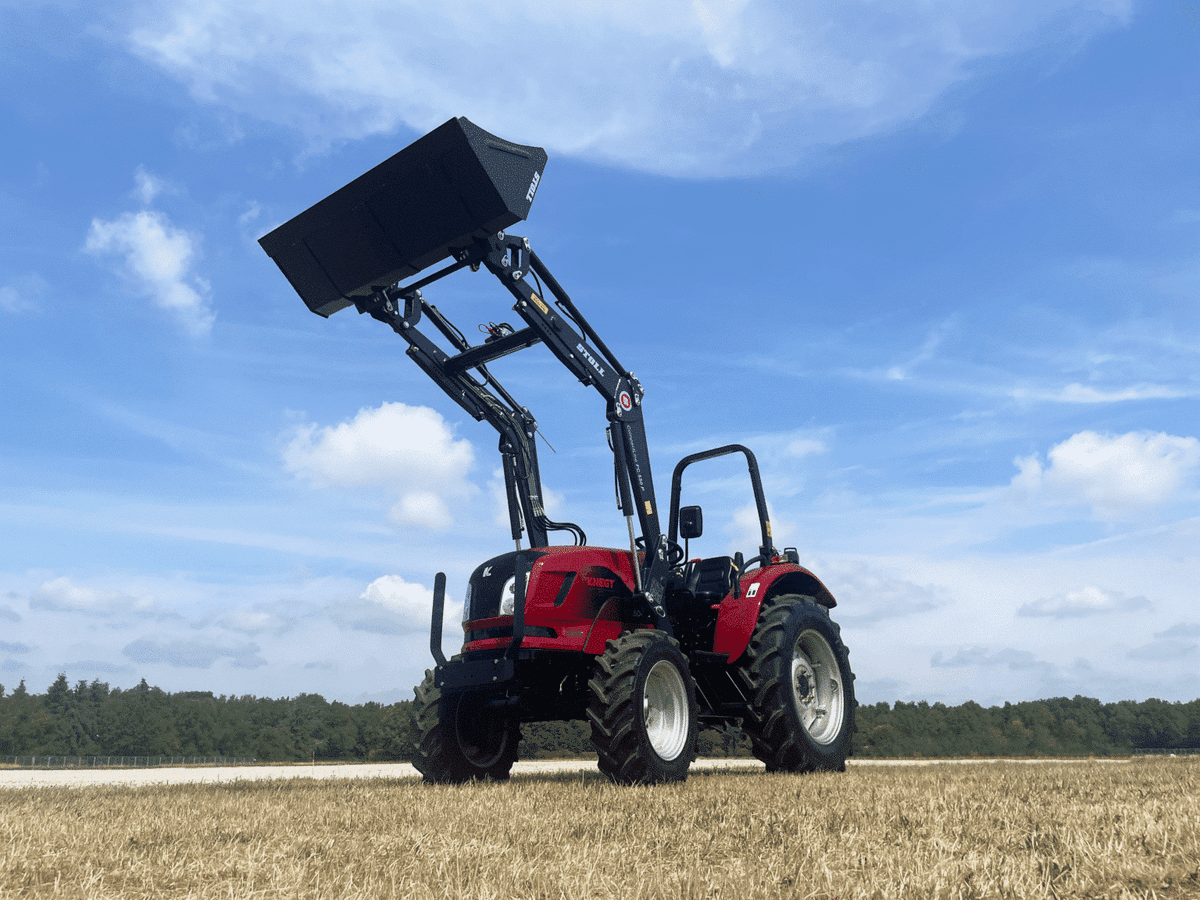
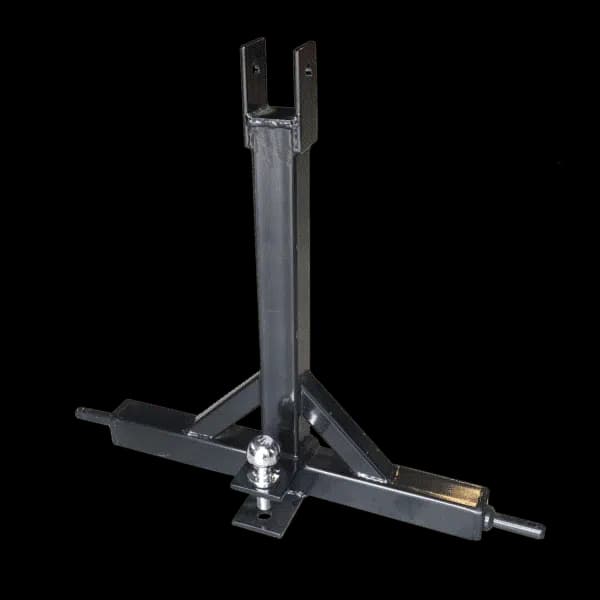
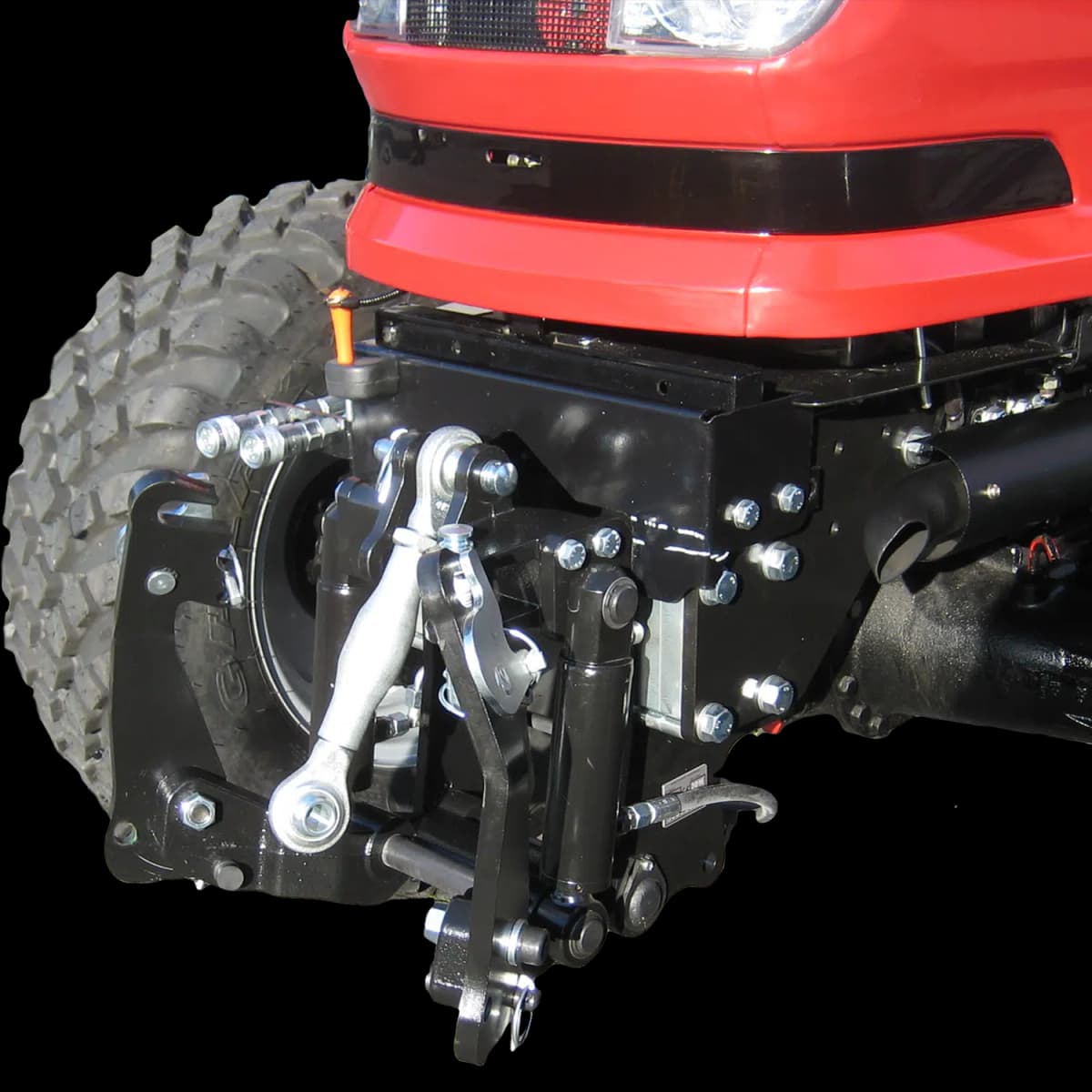
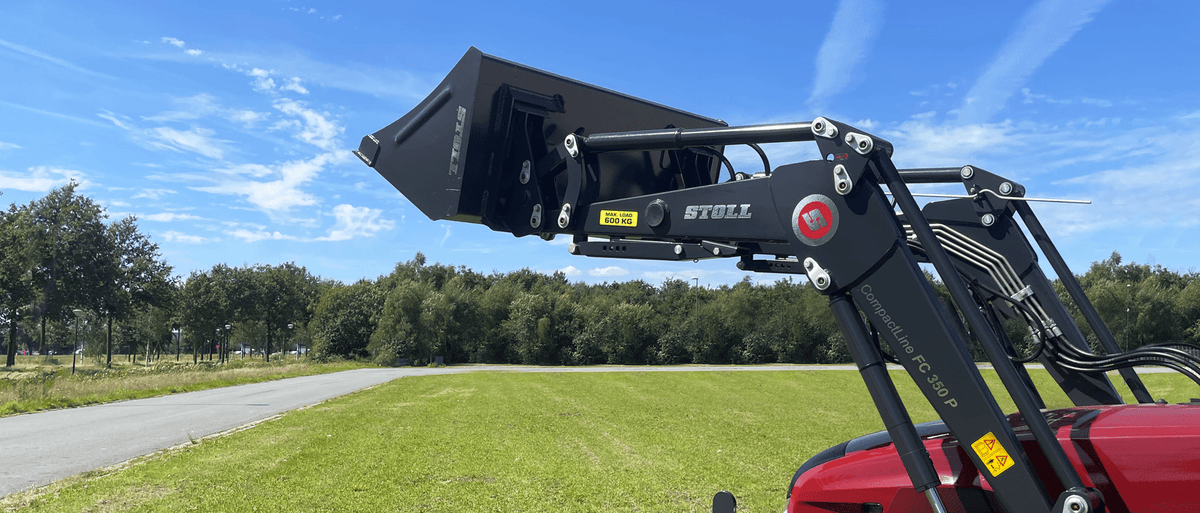
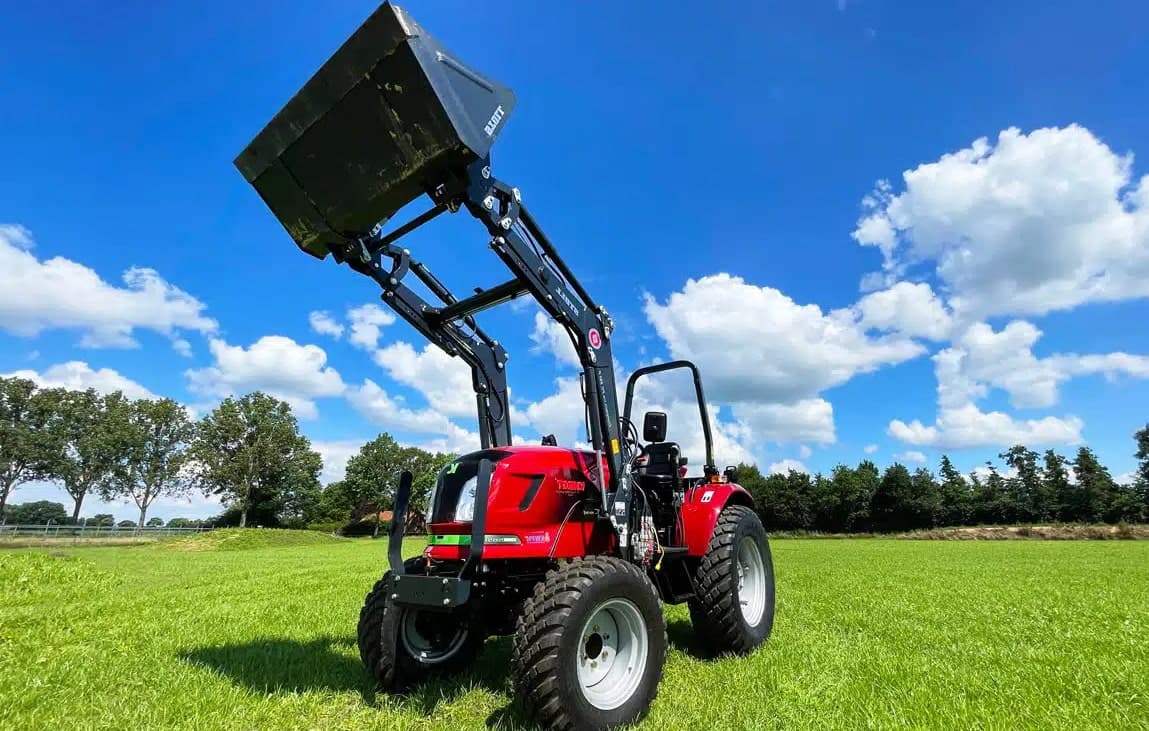
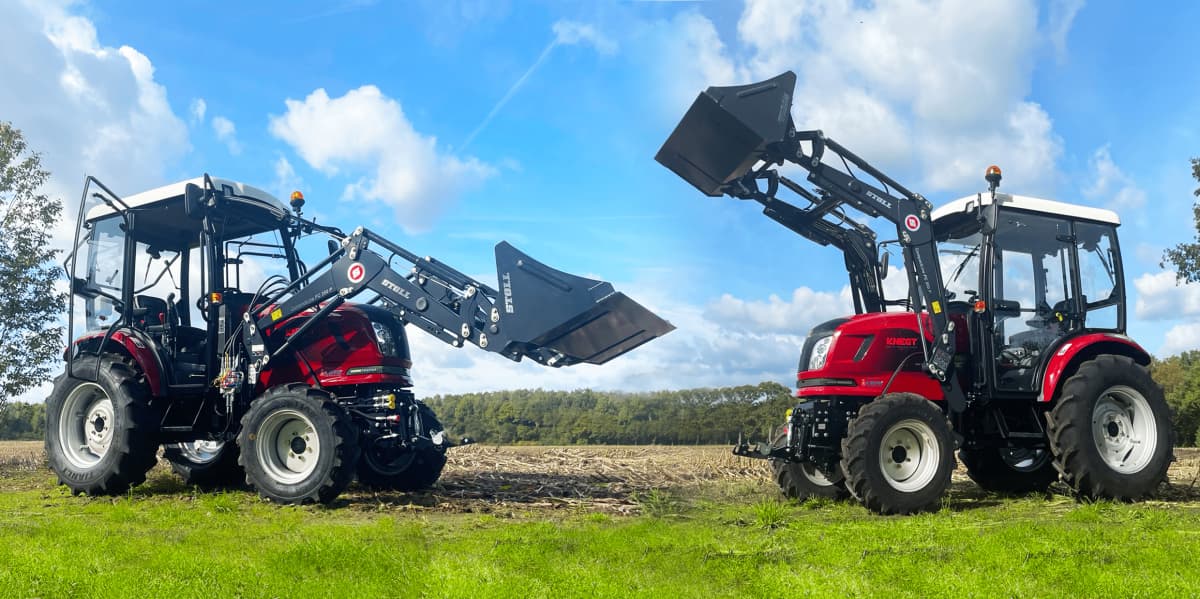
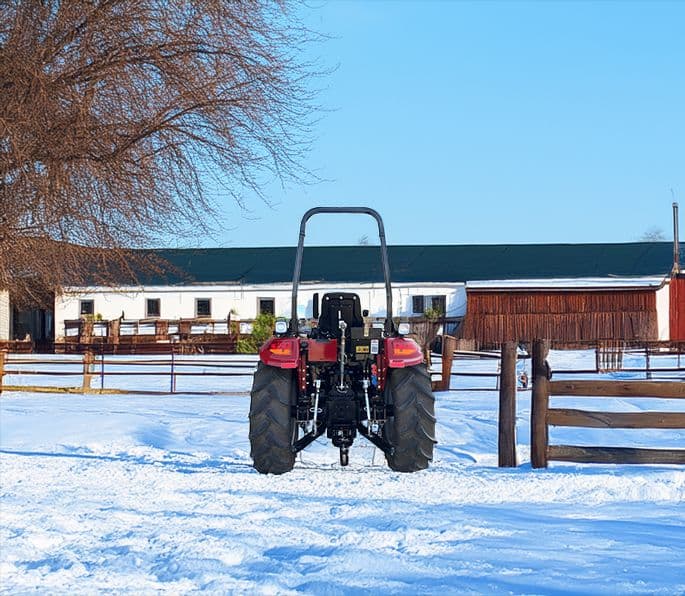
The electric Knegt models have 4WD, power steering and a three-point hitch, and are available with a STOLL front loader and a cab. This lets you use many different implements with one tractor.
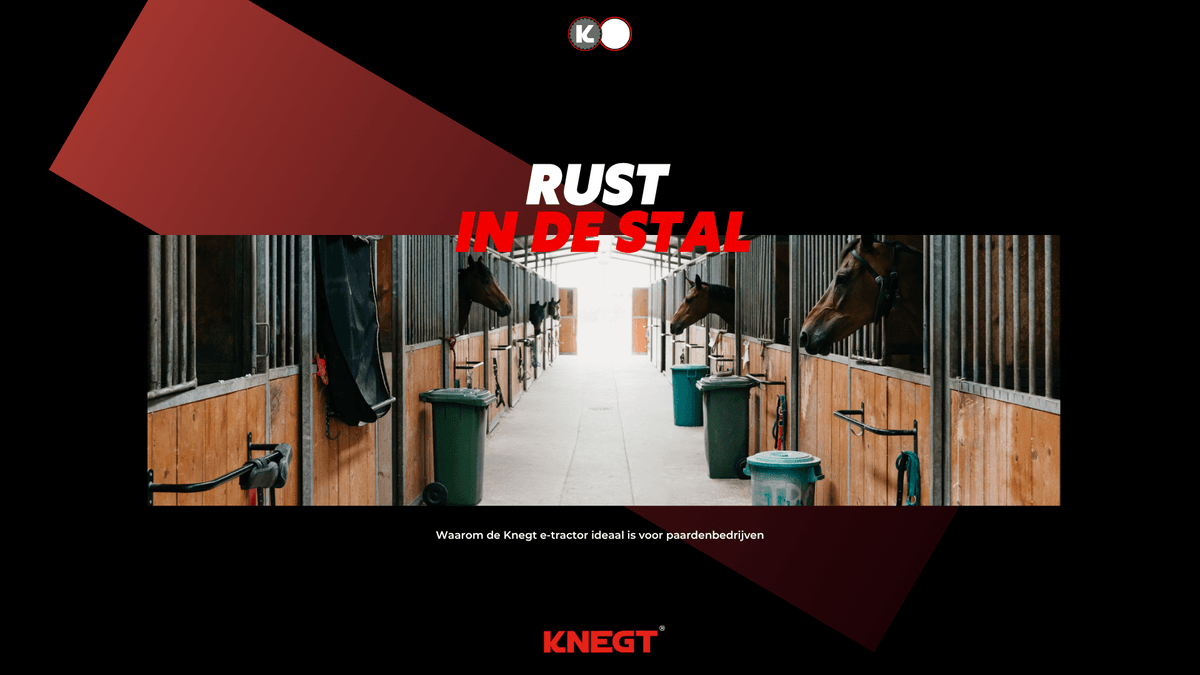
Why work electric in the barn and on the yard?
On the farmyard in particular, where you often work indoors and close to animals, electric tractors have a few clear advantages.
- No exhaust fumes: you can work in barns, sheds and stores without diesel fumes hanging in the air.
- Quiet operation: there is no diesel engine running. That is pleasant for your animals, your neighbours and the driver.
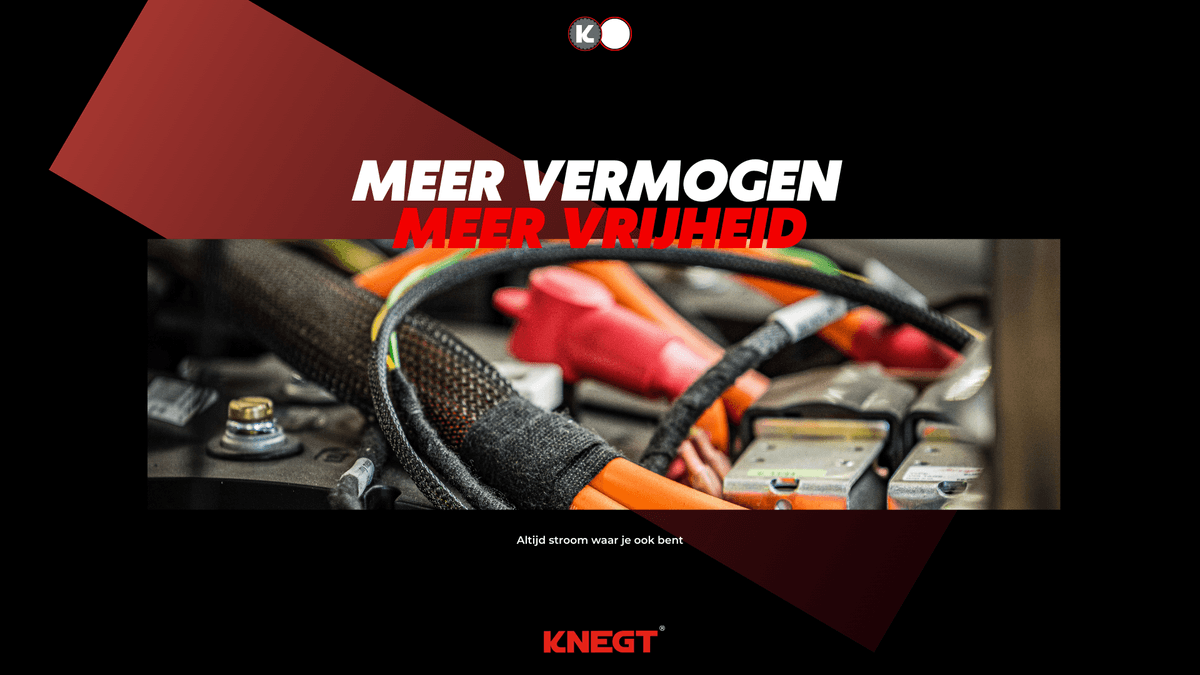
- Separate motors: the electric Knegt models have a separate drive motor and a separate 15 hp hydraulic motor. Hydraulic power for the front loader and implements stays available while you drive.
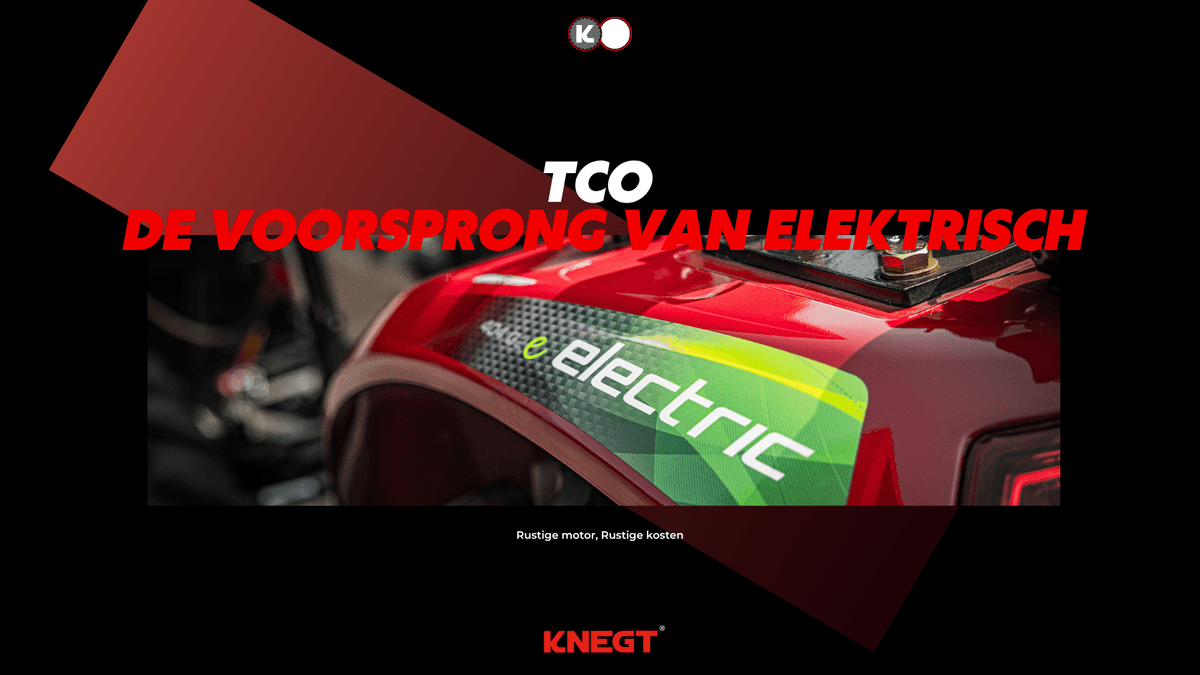
- Less drivetrain maintenance: no engine oil, fuel filters or exhaust system of a combustion engine. Knegt recommends a service every 350 hours or once a year.
- Charging on your own farm: you charge from a standard 230V socket or with a fast charger, which takes the battery from 30 to 80 percent in about 2.5 hours.
Where are the limits of an electric compact tractor?
An honest picture helps you make the right choice. An electric compact tractor does not replace every tractor on the farm.
- Power: the 304G2E has 45 hp (30 hp drive motor and 15 hp hydraulics), the 404G2E 55 hp (40 and 15) and the 504G3E 65 hp (50 and 15). That is plenty for yard, barn and pasture work, but it is not intended for heavy tillage on large fields.
- Operating time: how long you can work on one charge depends on the workload and the battery you choose. Much farm work consists of short jobs with breaks, during which you can top up the battery. An extra battery pack is also available as an option.
- Implements: check whether your existing implements suit a compact tractor in terms of size, weight and connection. Your dealer can go through this with you.
That is why many farms combine a large tractor for field work with a compact tractor for the daily work around the yard.
How to choose an electric tractor for your farm in 5 steps
- Map your daily tasks: which jobs do you do every day, how long do they take and where do you work indoors?
- Choose the power: the 304G2E for lighter work, the 404G2E or 504G3E if you do a lot of pulling, pushing or front loader work.
- Choose the version: basic, with front loader, with cab, or cab plus front loader. A cab is pleasant if you work outdoors a lot in winter.
- Plan the charging: decide where the tractor will stand while charging and whether a 230V connection is enough or a fast charger is useful.
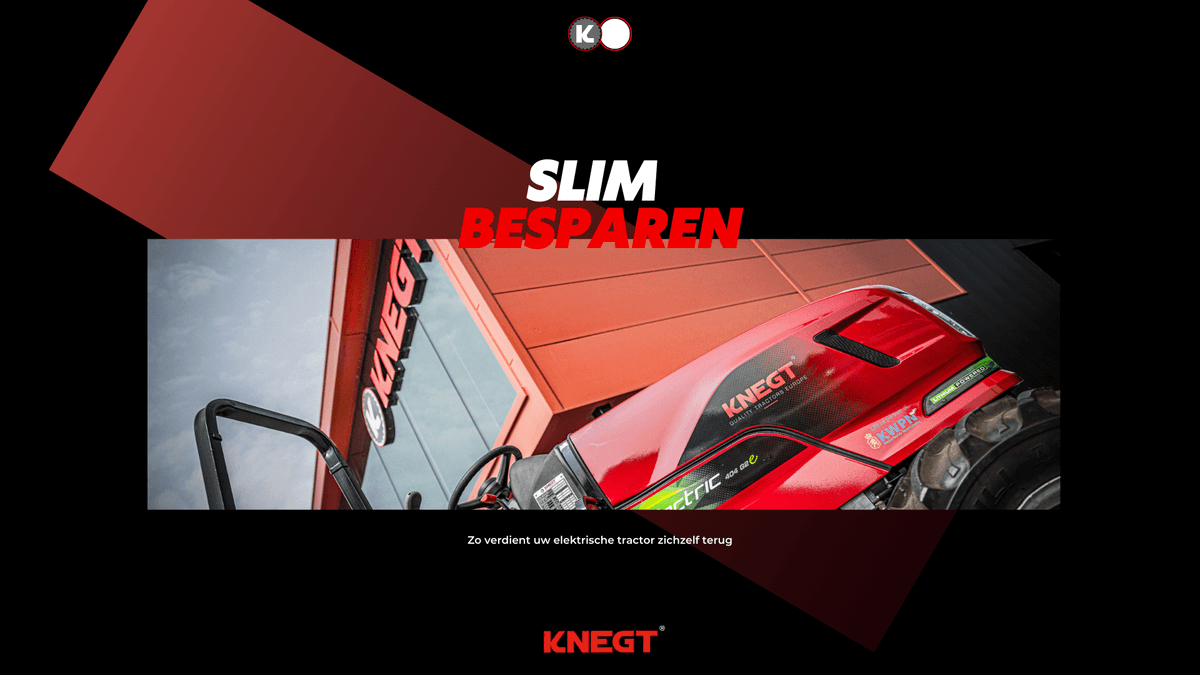
- Look at the costs: the electric models are listed on the website from €37,950 (304G2E), €45,950 (404G2E) and €52,950 (504G3E), excluding VAT. Financing is available through De Lage Landen. For businesses in the Netherlands, the 2026 Environmental List of the Netherlands Enterprise Agency (RVO) includes the category electrically powered mobile machine (code 3413) for the Dutch MIA and Vamil tax schemes. Ask your accountant or adviser whether your purchase qualifies, or which schemes apply in your country.
Frequently asked questions
Is an electric tractor suitable for agriculture?
For the daily work around the farm, such as feeding, mucking out, pasture management and yard transport, an electric compact tractor is well suited. For heavy tillage on large fields, a large farm tractor is usually the better choice.
Can I work in the barn with an electric tractor?
Yes. An electric Knegt produces no exhaust fumes and is quiet, so you can work in barns, sheds and stores.
How long does the battery last on a working day?
That depends on the workload and the battery you choose. You can top up in between via 230V or with a fast charger, and an extra battery pack is available as an option. The lithium battery is rated for 3,500 charging cycles.
Is an electric tractor road legal?
Knegt tractors are CE approved and road legal in Europe, so you can also drive on the road between the yard and your fields.
Try the electric tractor on your own farm
Would you like to know which electric Knegt tractor suits your barn, your yard and your daily work? Request a free demo and see the tractor at work on your own farm. Prefer to talk first? Book a consultation, request a quote or find a Knegt dealer near you.