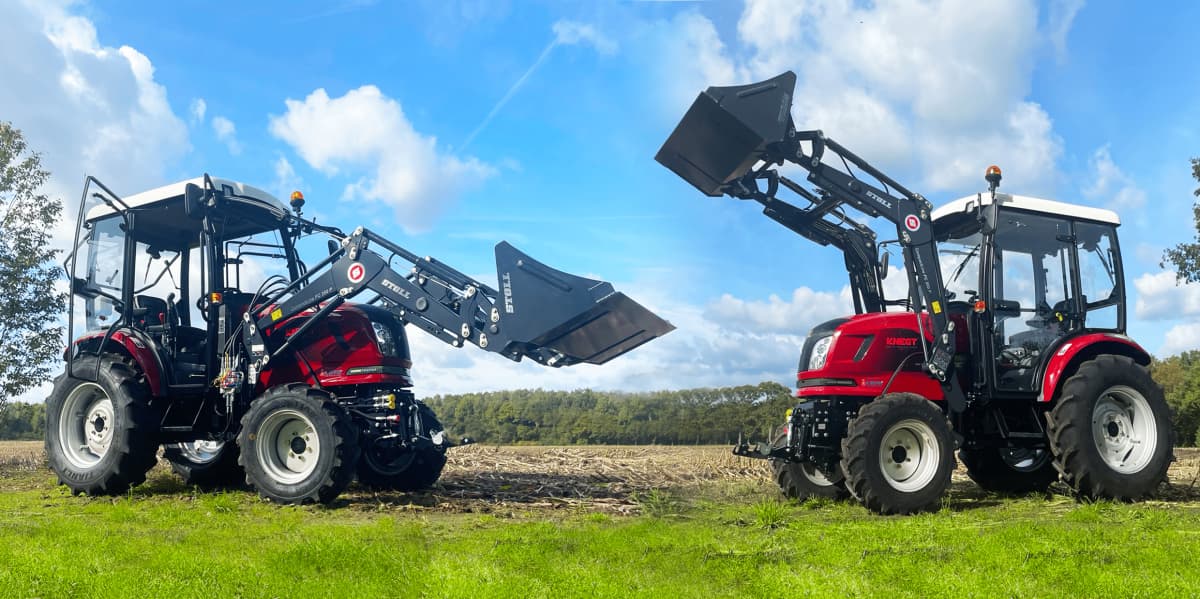
Electric tractor in horticulture: tasks and choice
The short answer
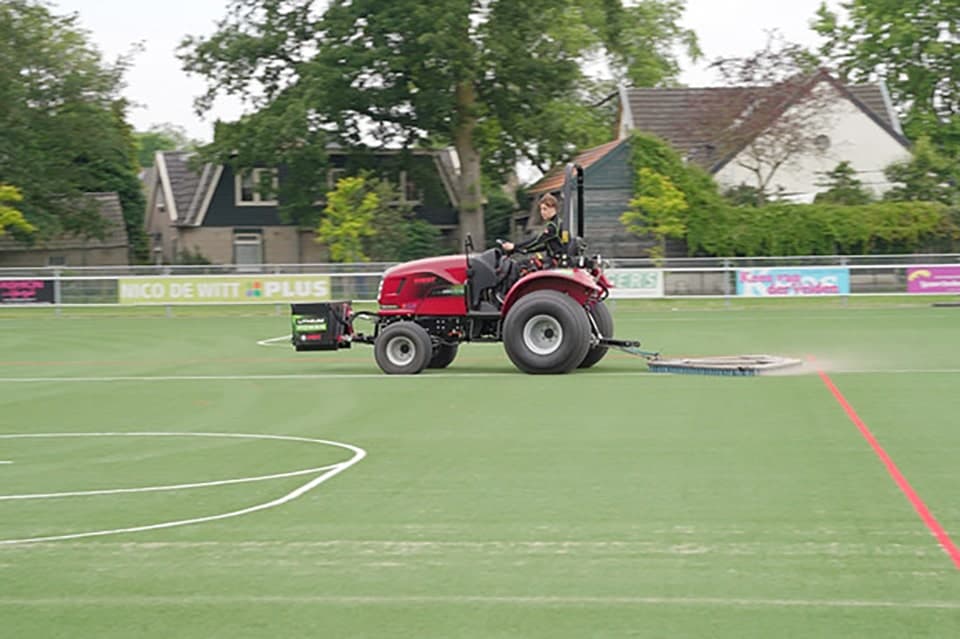
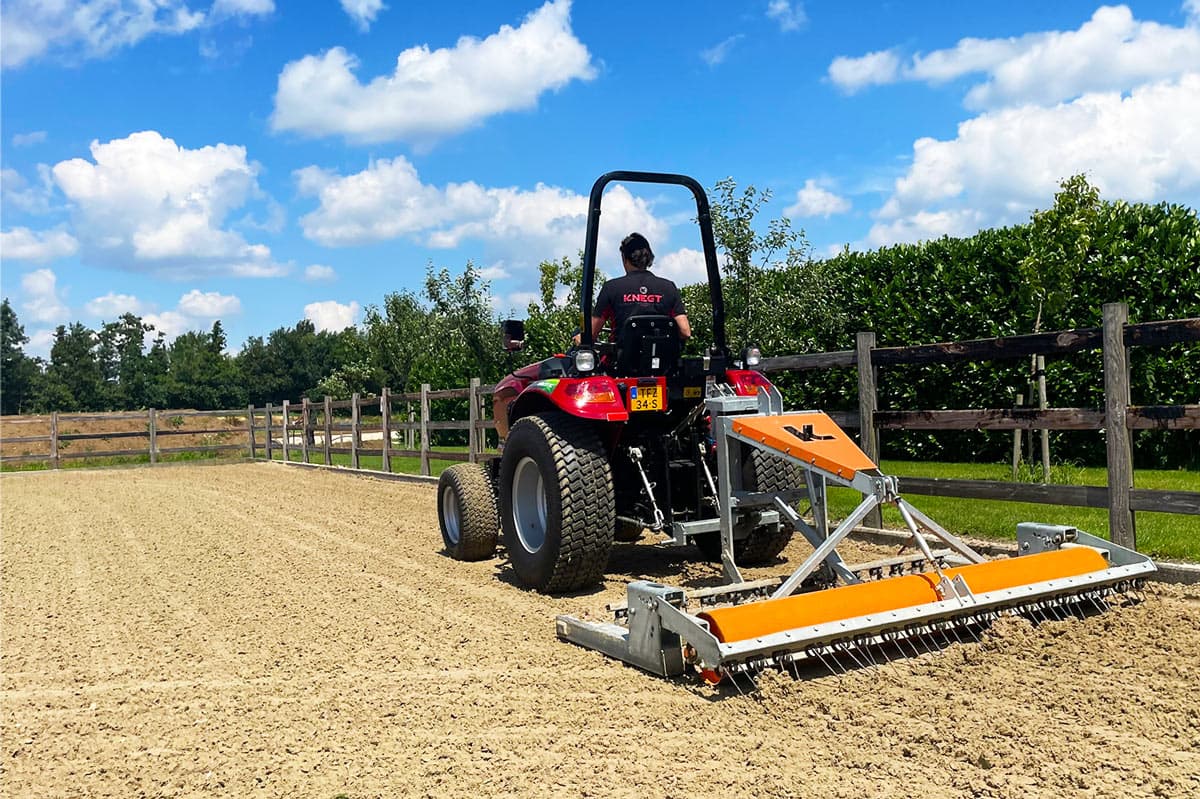
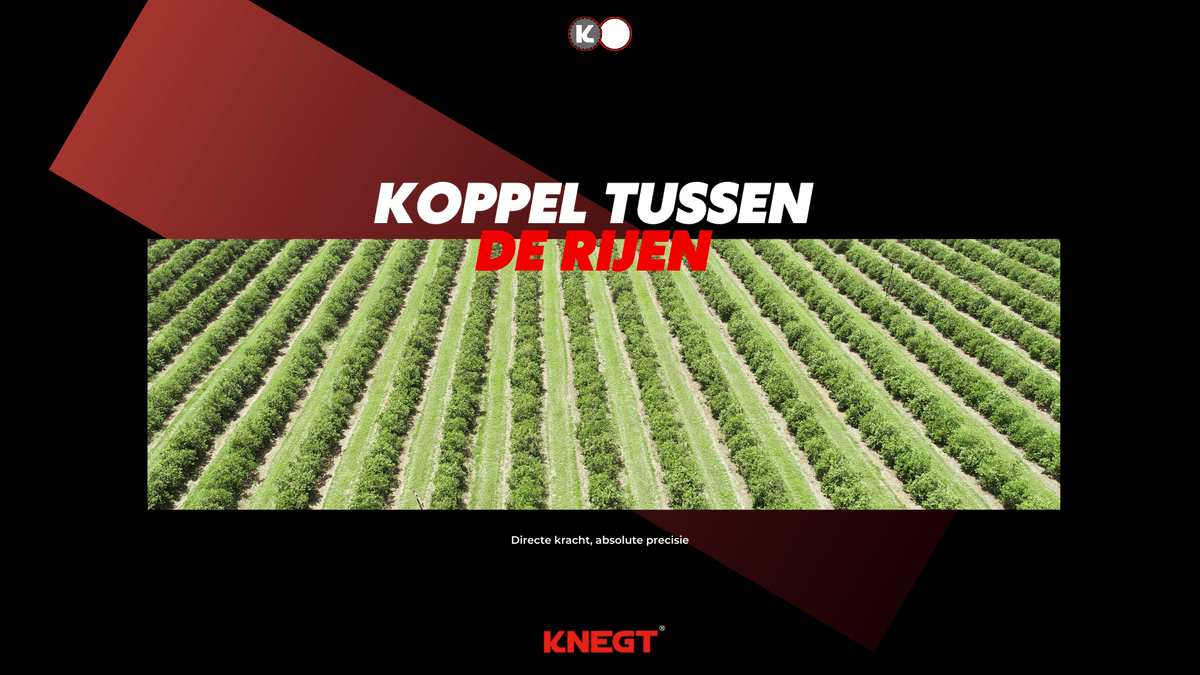
An electric tractor fits the daily work in and around horticultural crops: internal transport of plant trolleys, trays and pallets, soil preparation, mowing between rows, fertilising and clearing pruning waste. Because it produces no exhaust fumes and runs quietly, you can also drive it inside greenhouses and sheds.
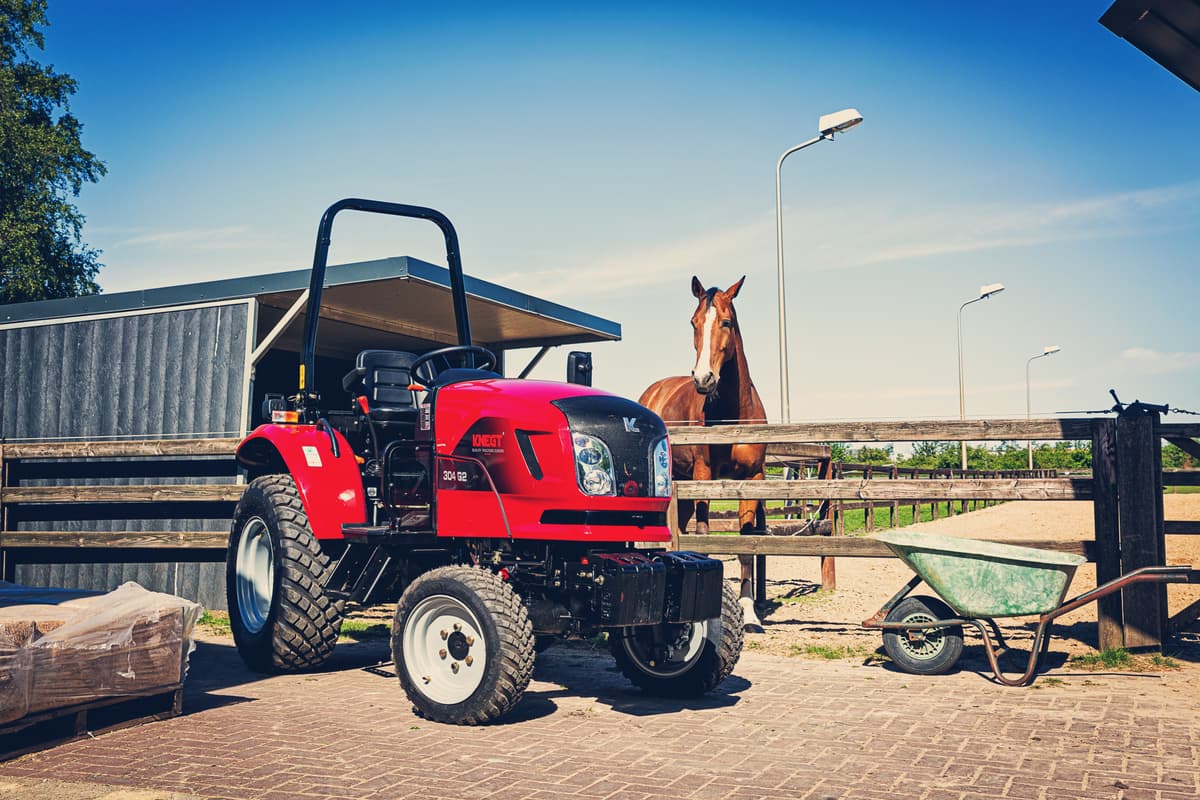
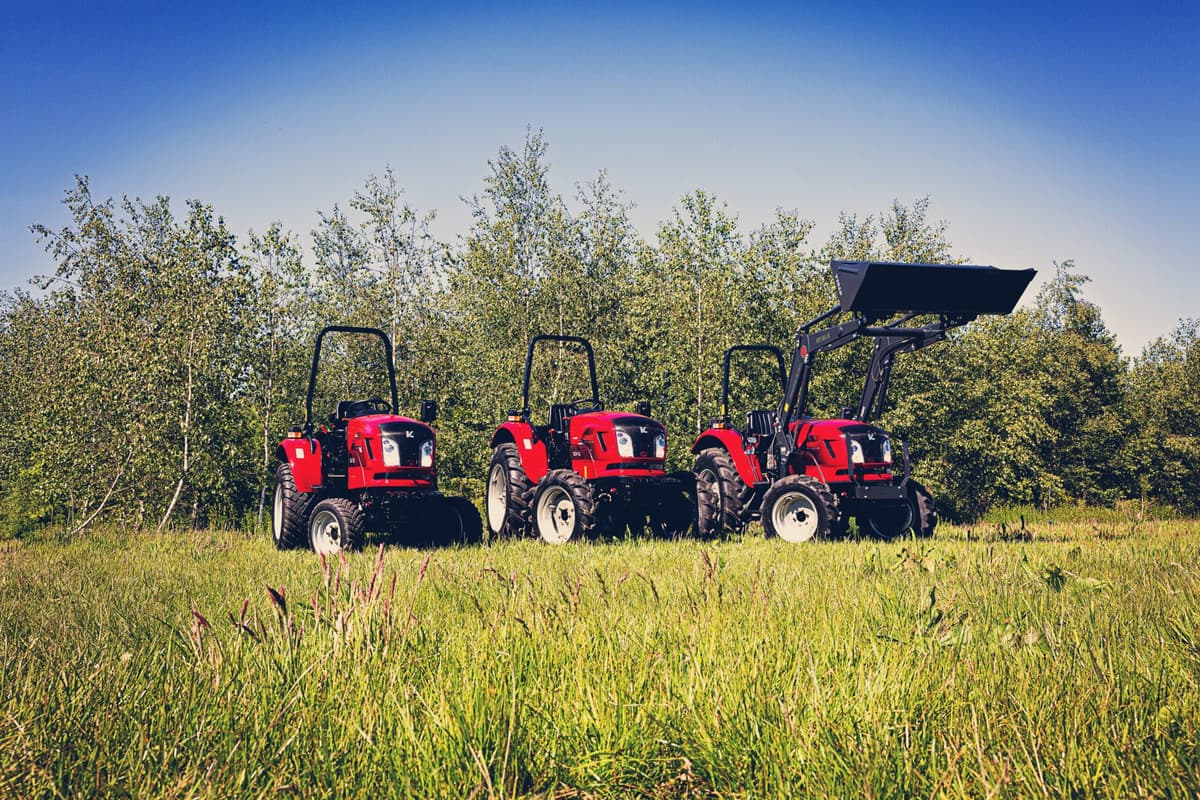
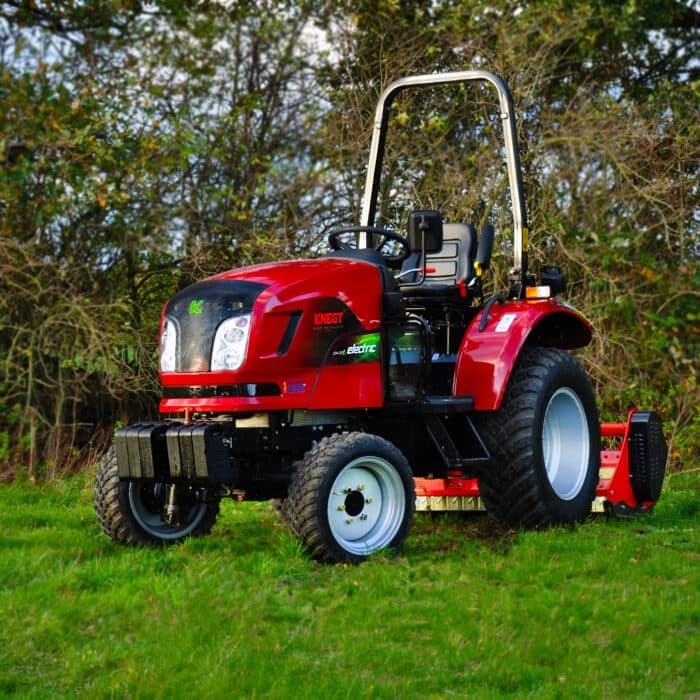
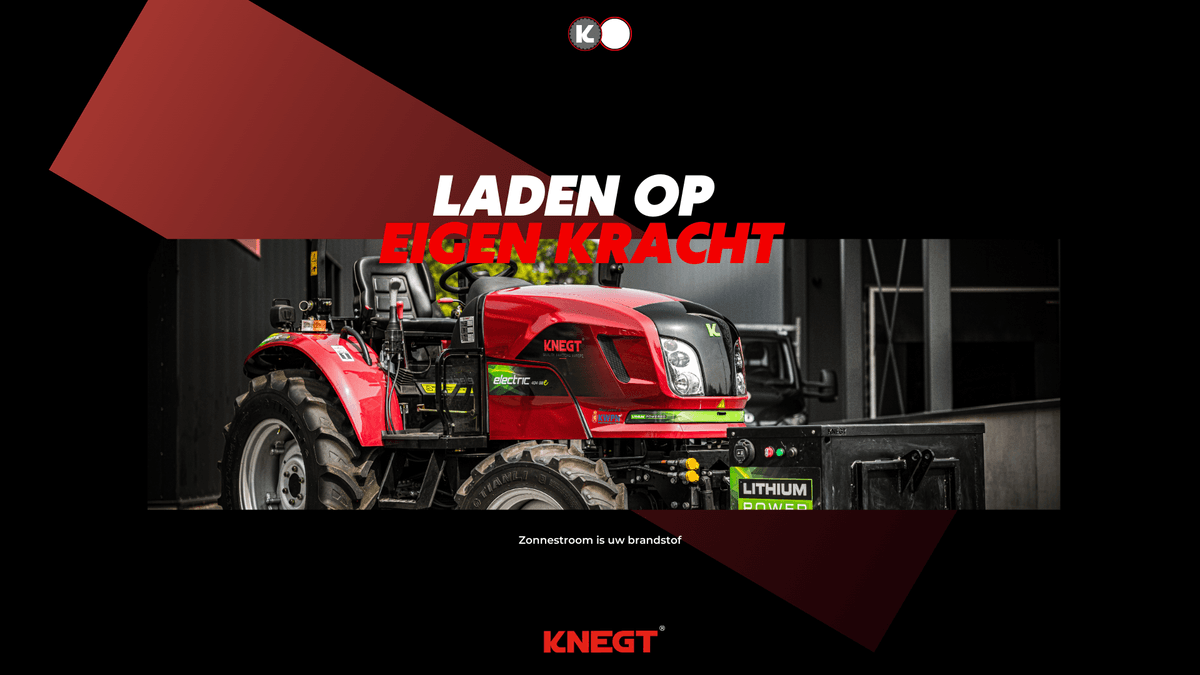
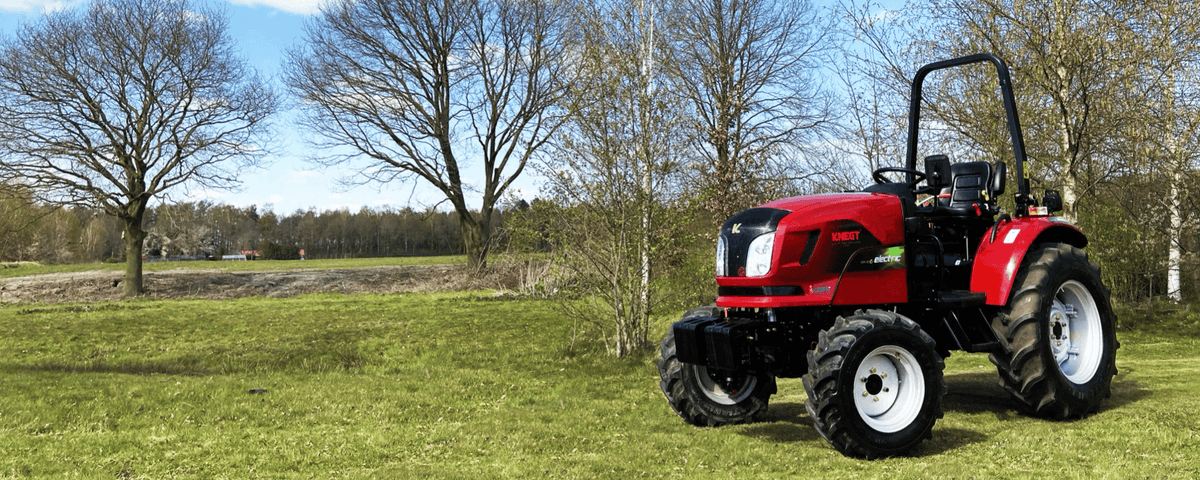
The electric Knegt models 304G2E, 404G2E and 504G3E are compact tractors from 45 to 65 hp with 4WD, a three-point hitch and a separate hydraulic motor. They are built for narrow paths and many short trips a day, exactly the working rhythm of many horticultural businesses.
Which jobs does an electric tractor do in horticulture?
Horticulture covers a lot: from greenhouse growing and pot plants to open-field crops, fruit growing and tree nurseries. All of them involve many recurring jobs for which a large tractor is too bulky.
- Greenhouses and pot plants: moving plant trolleys, trays, substrate and pallets through narrow greenhouse paths, for example with a transport box or a pallet carrier.
- Open field: preparing the soil with a rotary tiller or power harrow and fertilising with a fertiliser spreader.
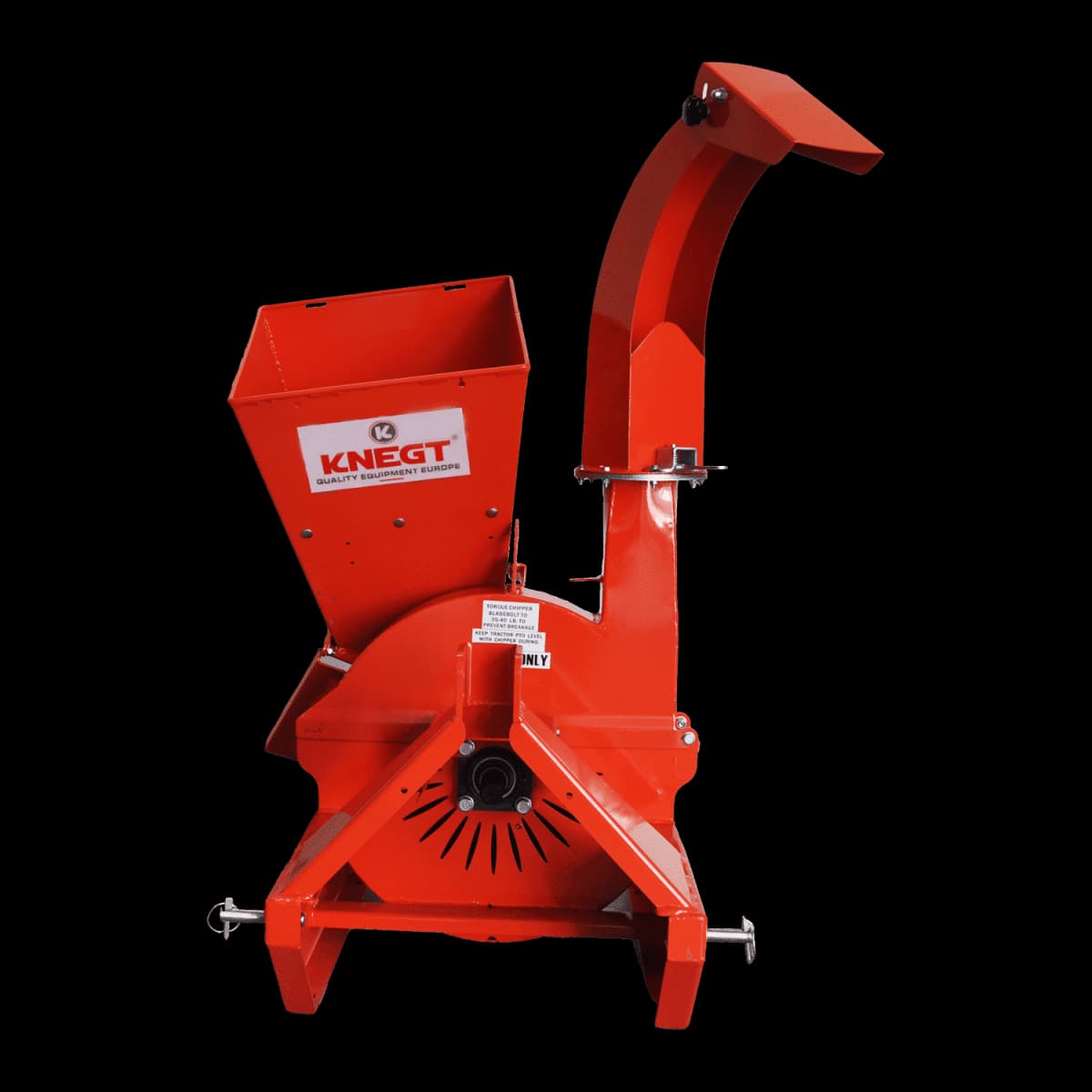
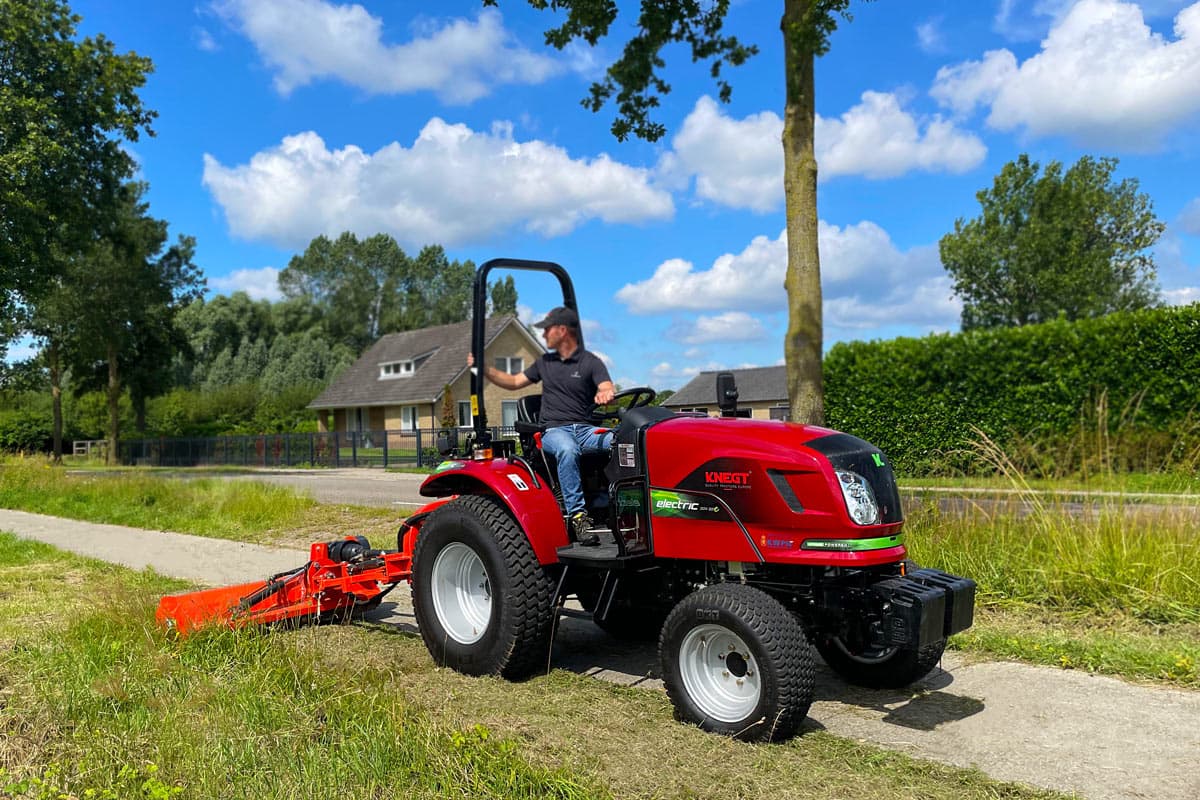
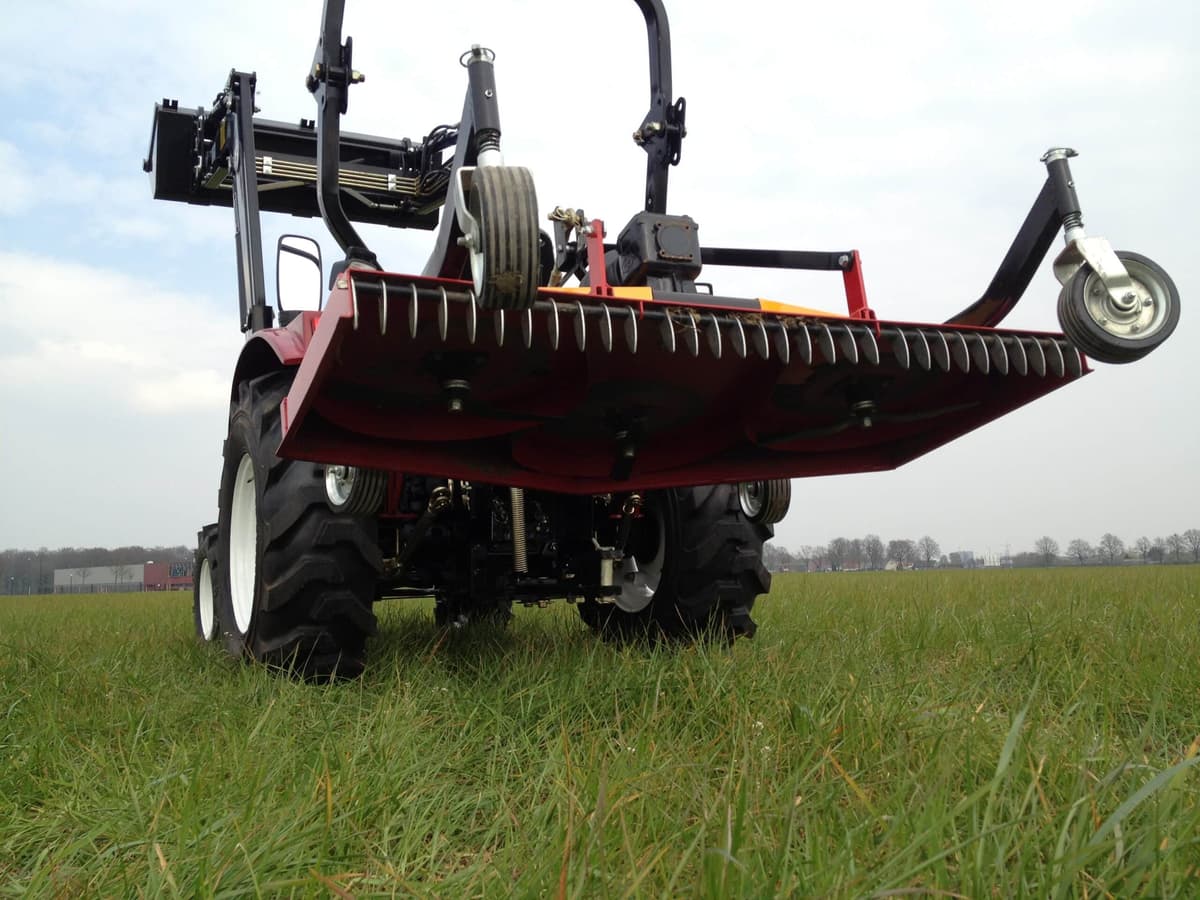
- Tree nurseries and fruit growing: drilling holes for posts and planting with a post hole digger, mowing verges and strips under the crop with a sideshift flail mower, and processing pruning waste with a wood chipper.
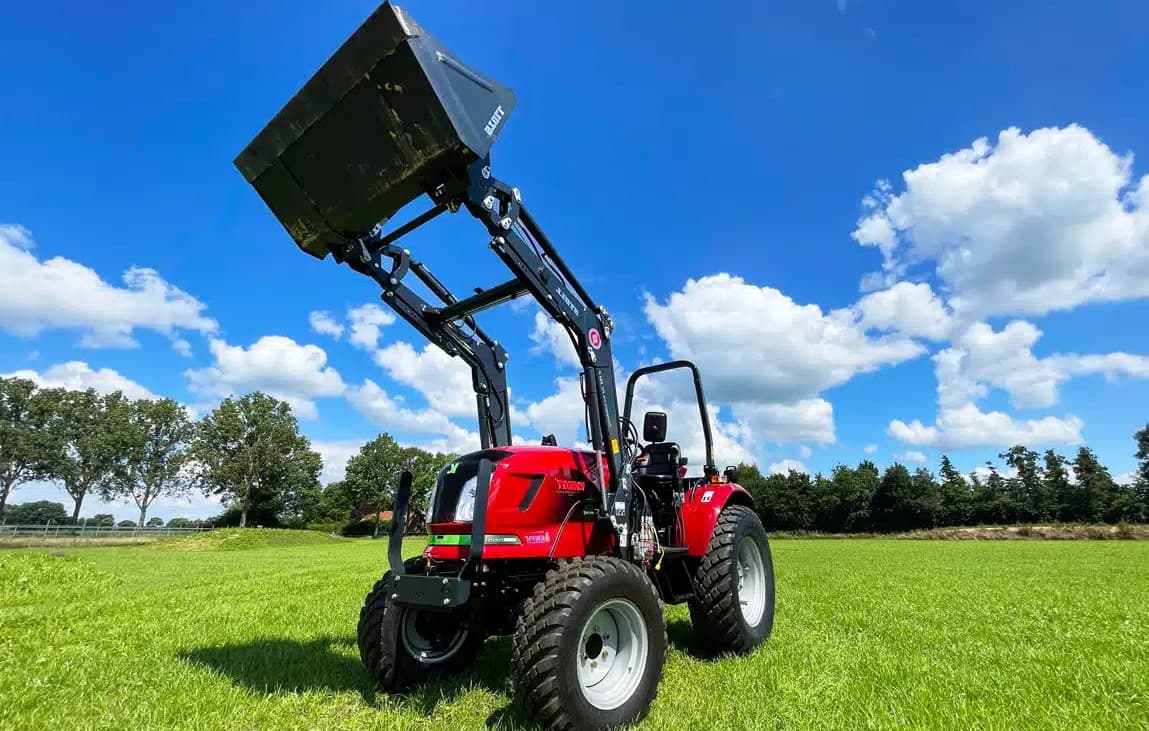
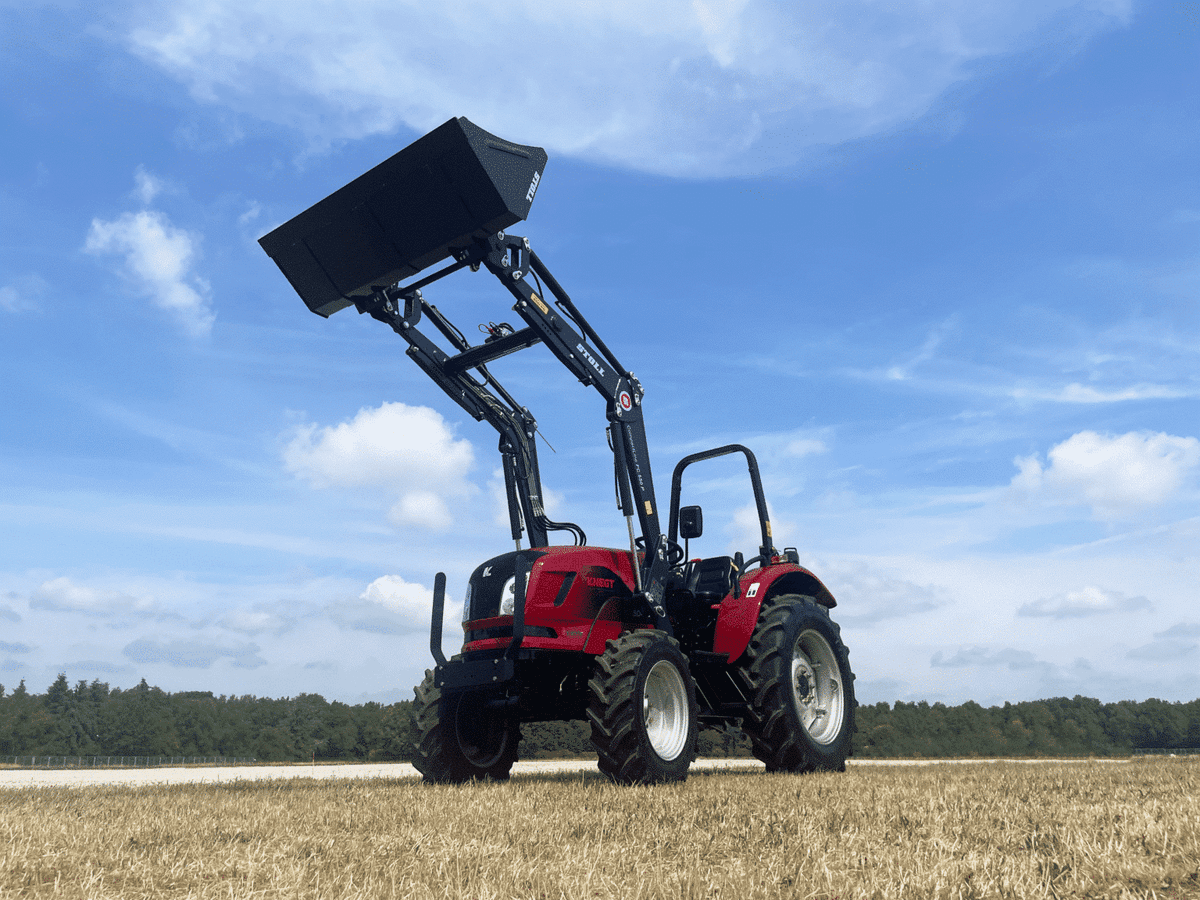
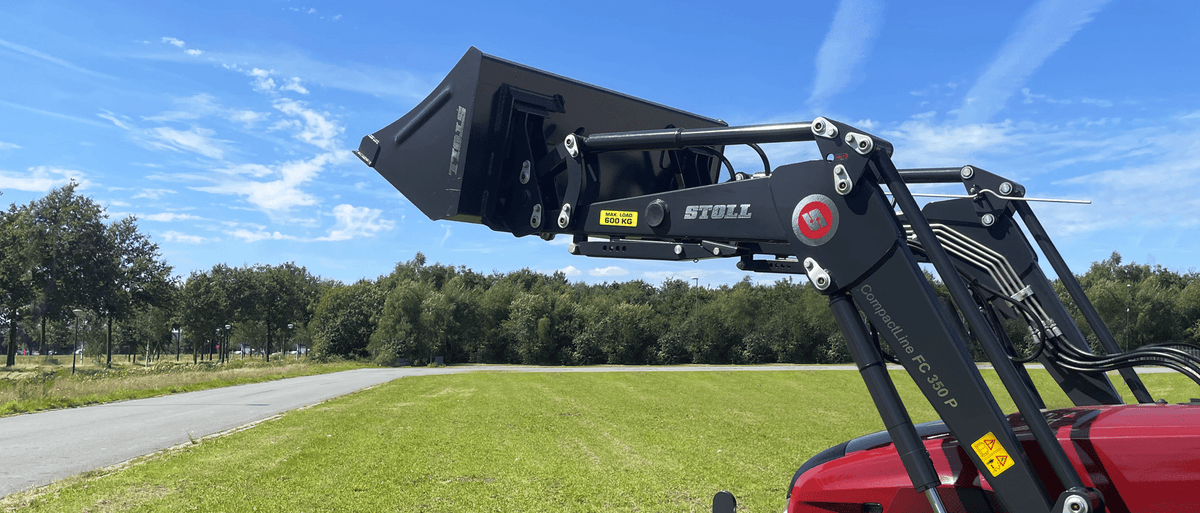
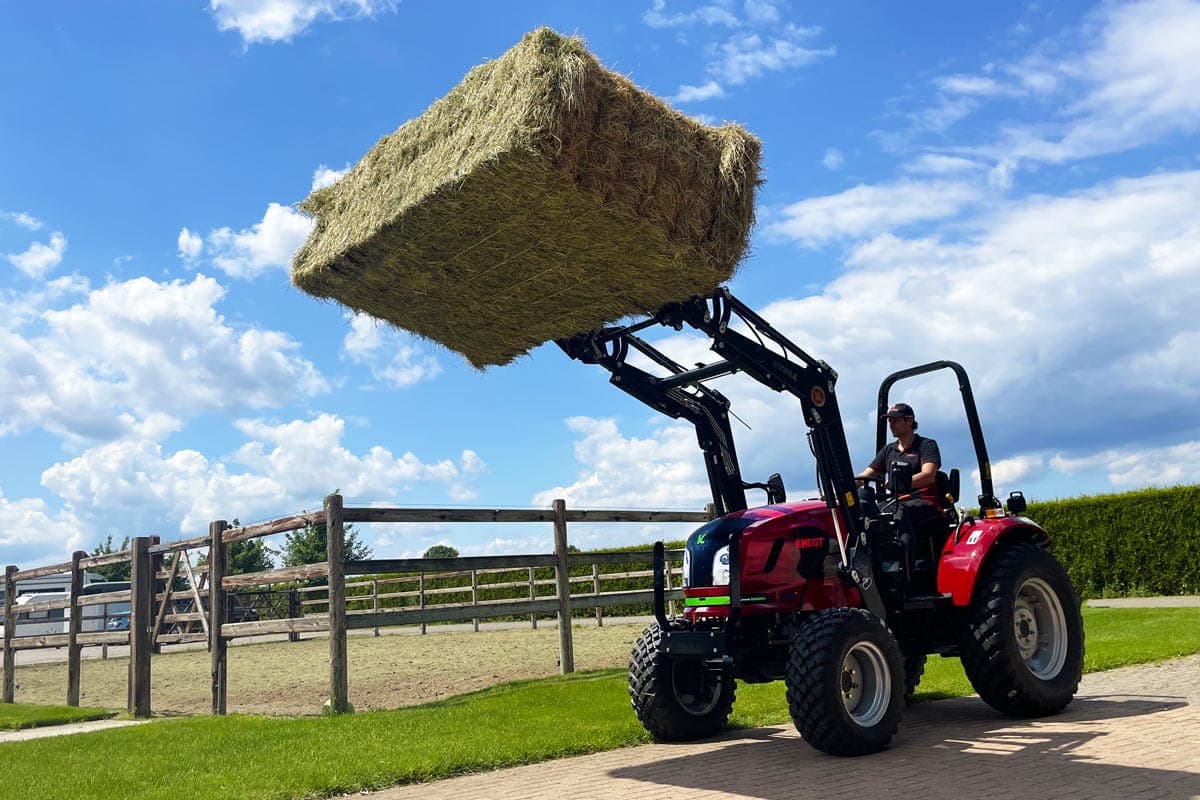
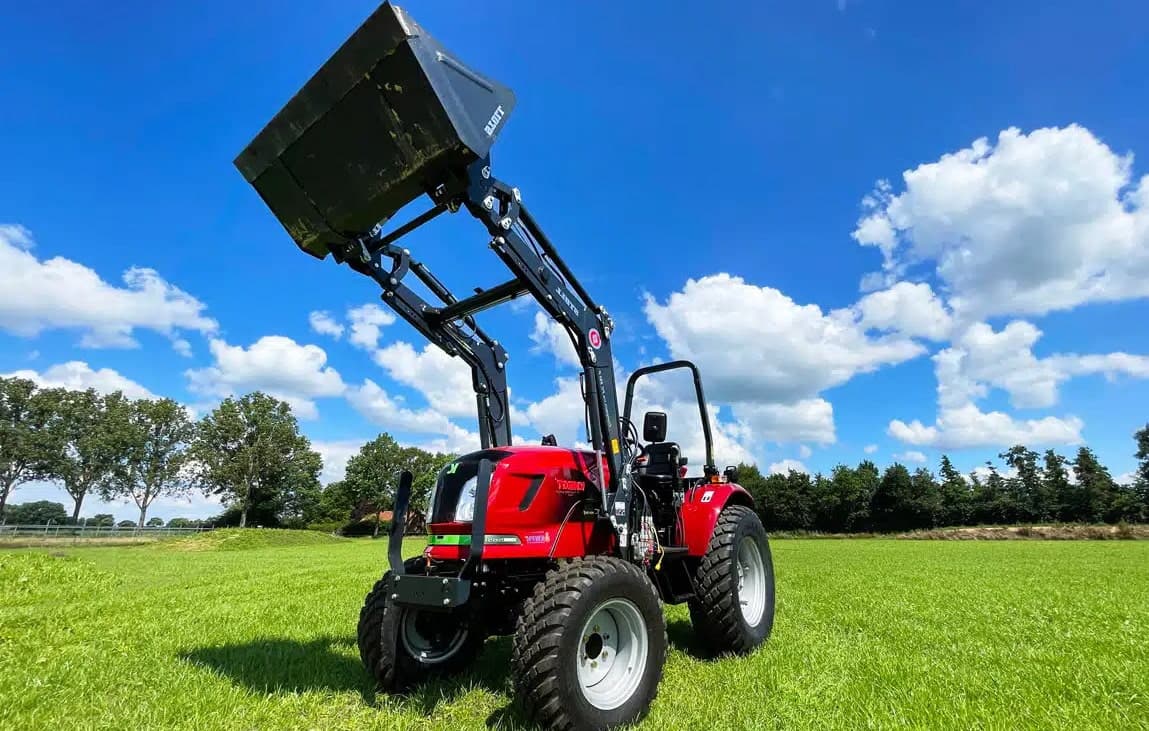
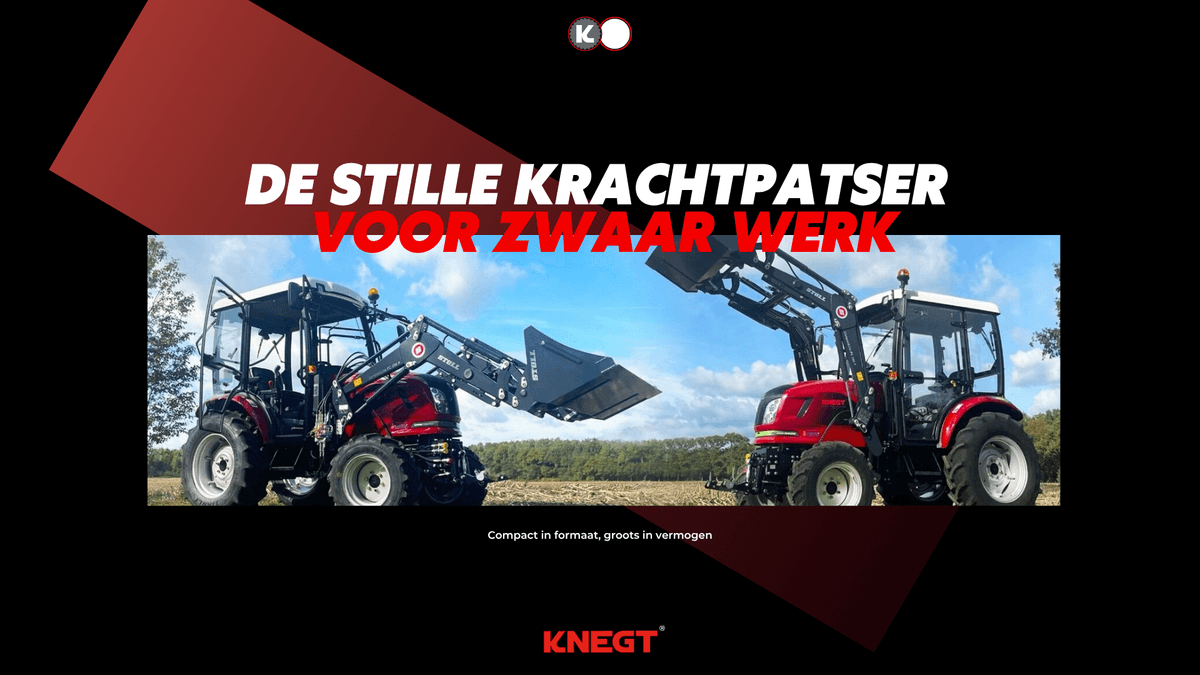
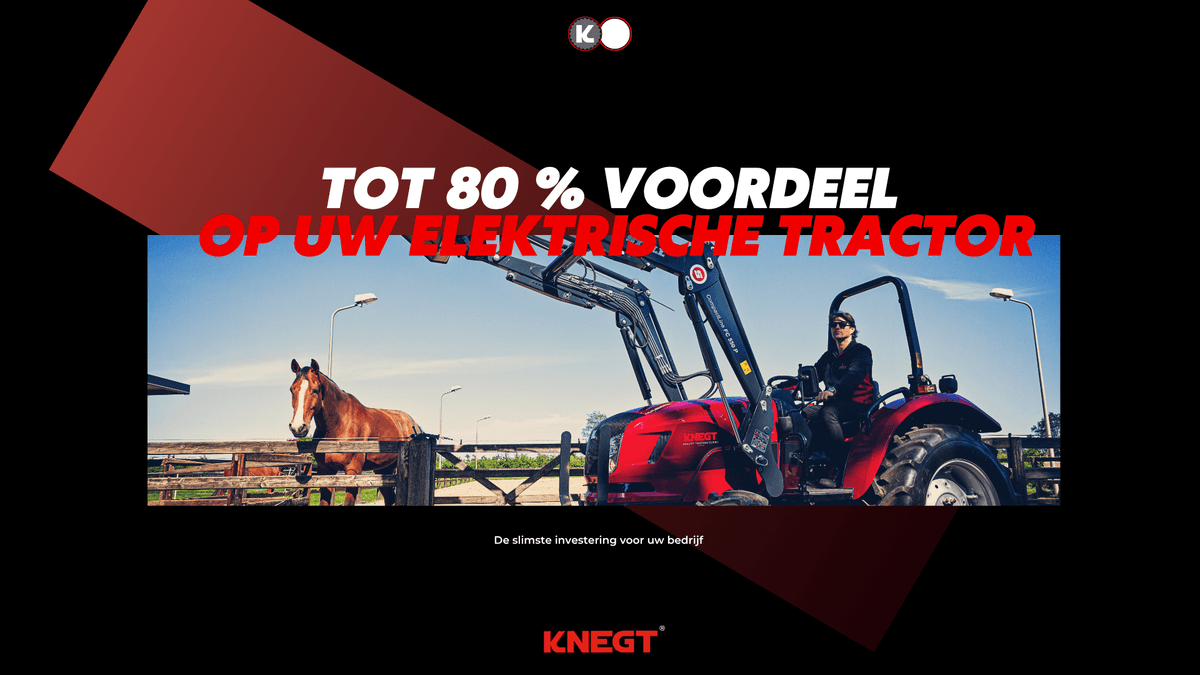
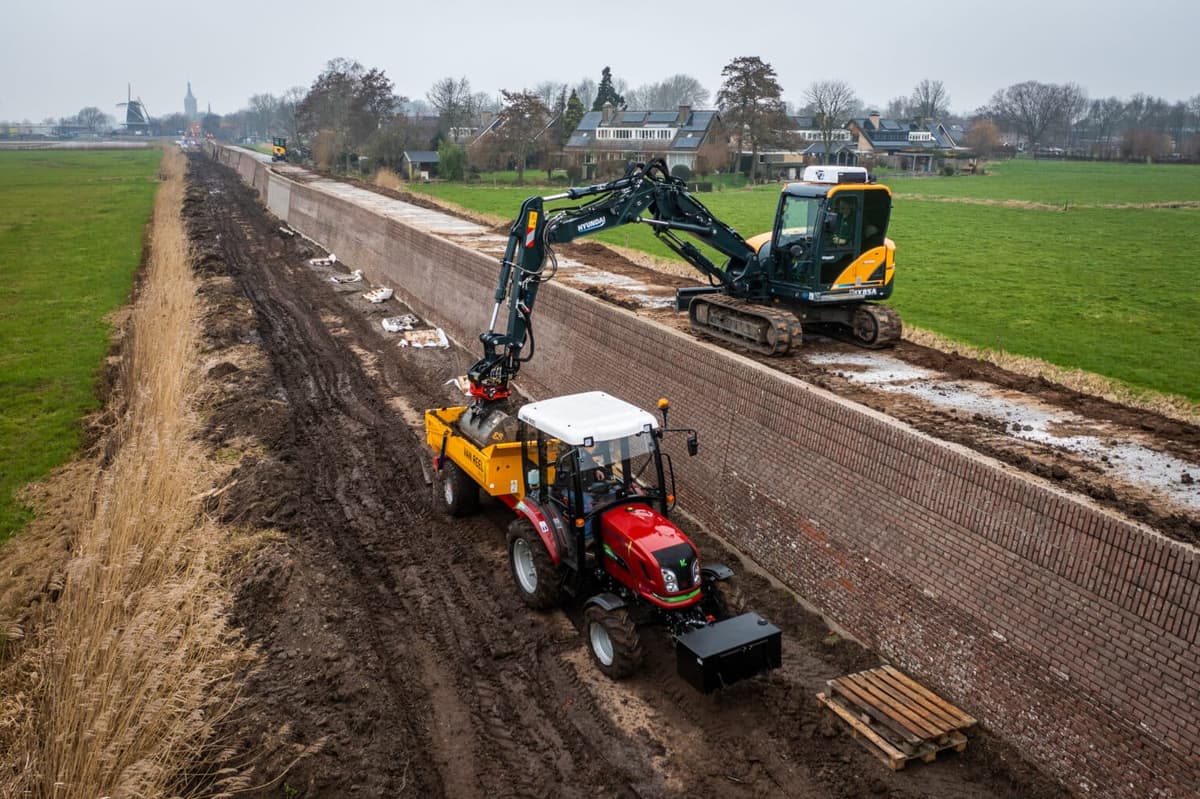
- Loading and unloading: with a STOLL front loader and pallet fork you lift pallets, big bags and materials on the yard and at the shed.
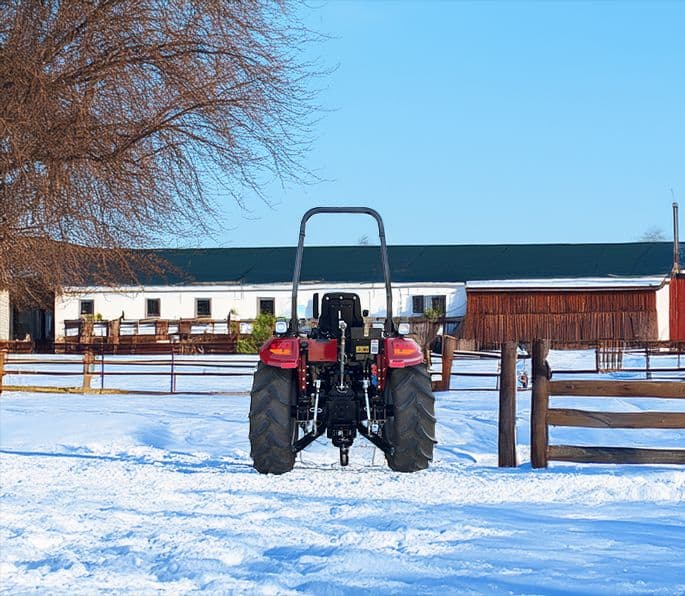
- Yard maintenance: keeping paths clean, transport between greenhouse, shed and field, and clearing snow in winter.
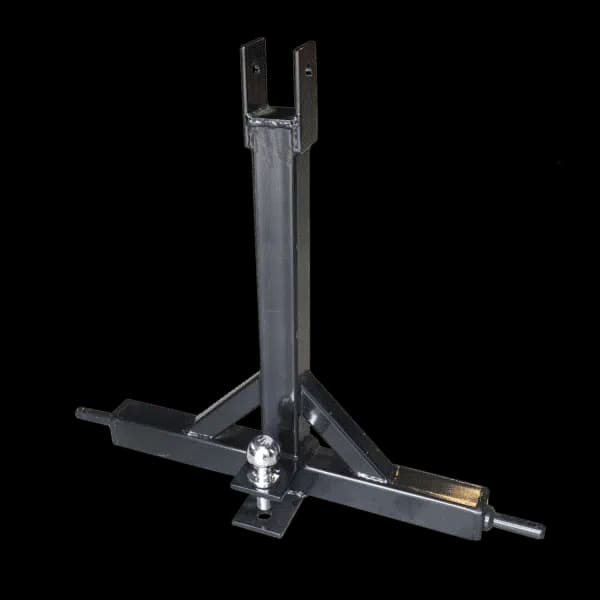
On its sector page for growers, Knegt shows a selection of implements for greenhouse, nursery and cultivation, such as the TB150 transport box, the pallet carrier, the PBL and PBP post hole diggers, the OF145 rotary tiller, the RE125 power harrow, the KMSS125 sideshift flail mower, the HV5m wood chipper and the MS300 fertiliser spreader.
Why work electric in the greenhouse and the crop?
In horticulture you often work indoors, close to crops and with several people at once. That is exactly where an electric tractor has clear advantages.
- No exhaust fumes: no diesel smoke in the greenhouse or the processing area. That is better for the air quality for your staff and your crops.
- Quiet and low vibration: there is no diesel engine running, which makes the work calmer for colleagues working in the same space.
- Compact and manoeuvrable: the compact build and power steering make it easier to manoeuvre through narrow paths, crop rows and lower greenhouses.
- Separate motors: the drive motor and the 15 hp hydraulic motor work independently, so hydraulics for the front loader and implements stay available while you drive.
- Charging on your own site: charge from a standard 230V socket or with a fast charger, which takes the battery from 30 to 80 percent in about 2.5 hours. No more storing fuel or refuelling.
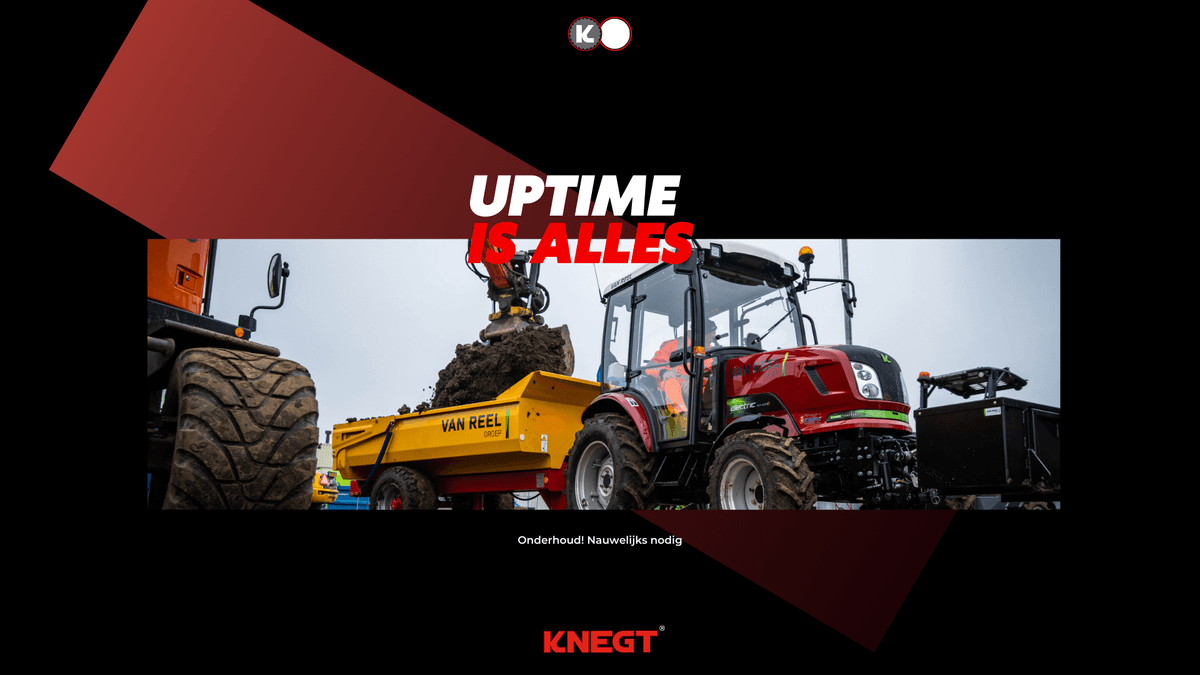
- Simple maintenance: no engine oil, fuel filters or exhaust system. Knegt recommends a service every 350 hours or once a year.
Electric garden tractor or compact tractor: what is the difference?
People searching for an electric garden tractor often mean a ride-on mower for their own garden. A compact tractor is a different kind of machine: a full tractor in a small format, made to carry implements and do heavier work.
- Implements: a compact tractor has a three-point hitch and can carry implements such as a tiller, mower, spreader or post hole digger. A garden tractor is usually built around a single mowing deck.
- Front loader: a compact tractor can carry a front loader to lift pallets, soil and materials.
- Drive and power: the electric Knegt models have 4WD and 45 to 65 hp, split between a drive motor and a hydraulic motor.
- Road and yard: Knegt tractors are CE approved and road legal in Europe, so you can also drive on the road between sites.
For professional work on a horticultural business, an electric compact tractor is the logical choice. For simply mowing a private garden, a smaller machine is often enough.
How to choose an electric tractor for your horticultural business in 5 steps
- Map your tasks: which jobs do you do every day, how many of them inside the greenhouse, and how wide are the narrowest paths and passages?
- Choose the power: the 304G2E (45 hp) for light logistics and narrow greenhouse paths, the 404G2E (55 hp) as the all-round choice for internal transport and loading, and the 504G3E (65 hp) for intensive loading work, large volumes and long days indoors and outdoors.
- Choose implements and version: decide which implements you want to use on the three-point hitch and whether you need a front loader and a cab.
- Plan charging: decide where the tractor will stand while charging, whether 230V is enough or a fast charger is useful, and whether an extra battery pack suits your working day. Working time depends on the work intensity and the battery choice.
- Check the costs: the electric models are listed on the website from €37,950 (304G2E), €45,950 (404G2E) and €52,950 (504G3E), excluding VAT. Financing is available through De Lage Landen. For businesses in the Netherlands, the 2026 Environmental List of the Netherlands Enterprise Agency (RVO) includes the category electrically powered mobile machine (code 3413) for the Dutch MIA and Vamil tax schemes. Ask your accountant or adviser whether your purchase qualifies, or which schemes apply in your country.
Frequently asked questions
Can an electric tractor work in a greenhouse?
Yes. An electric Knegt produces no exhaust fumes and runs quietly, so you can work in greenhouses, sheds and processing areas. Do check that the dimensions suit your paths and passages.
Which Knegt model suits greenhouse horticulture best?
Knegt calls the 404G2E the all-round choice for greenhouse horticulture. The 304G2E is more compact for narrow paths and light logistics, while the 504G3E is intended for heavier and more intensive work.
How long does an electric tractor work on one charge?
That depends on the work intensity and the battery choice. You can top up in between via 230V or a fast charger, and an extra battery pack is available as an option. The lithium battery is rated for 3,500 charging cycles.
Which implements can I use in horticulture?
Among others a transport box, pallet carrier, post hole digger, rotary tiller, power harrow, sideshift flail mower, wood chipper and fertiliser spreader, plus a STOLL front loader with accessories.
See the electric tractor at work in your crops
Would you like to know which electric Knegt tractor suits your greenhouse, your fields and your daily work? Request a free demo and see the tractor at work on your own site. Prefer to talk first? Book a consultation, request a quote or find a Knegt dealer near you.