Compact tractor with cab or without: which suits you?
The short answer
Whether you choose a compact tractor with a cab, with a half cab or an open one mainly depends on three things: how long you sit on the tractor each day, the weather and amount of dust you work in, and what the tractor needs to fit under. A cab gives the most protection against dust, rain, wind and extreme temperatures. A half cab protects against rain and wind while you can still get on and off quickly. An open tractor is the most practical for low entrances and short jobs.
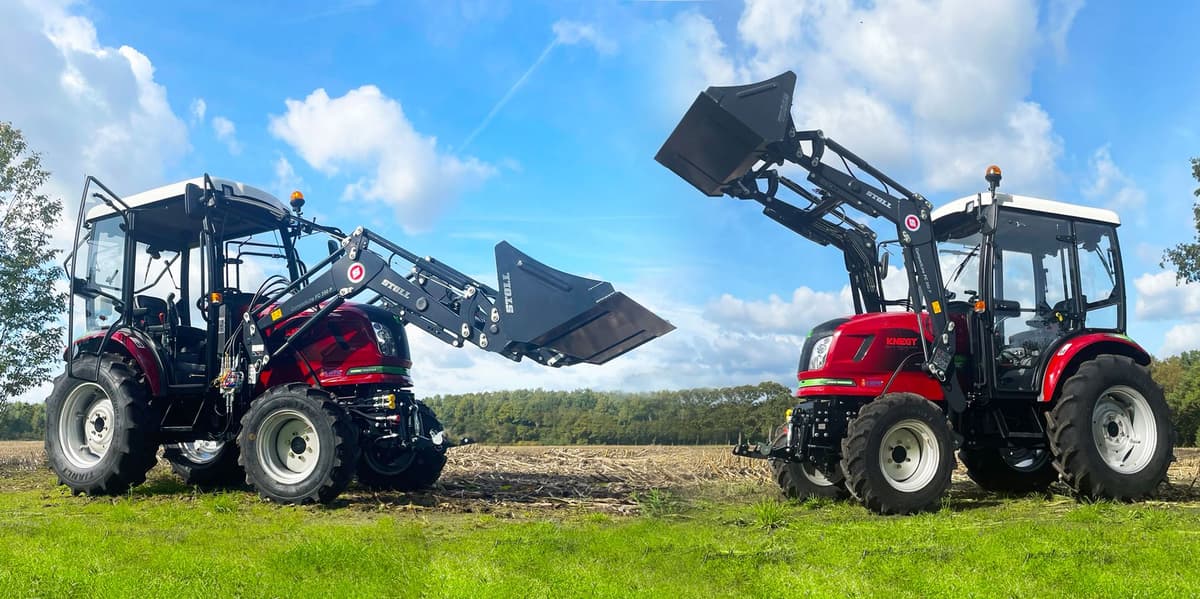
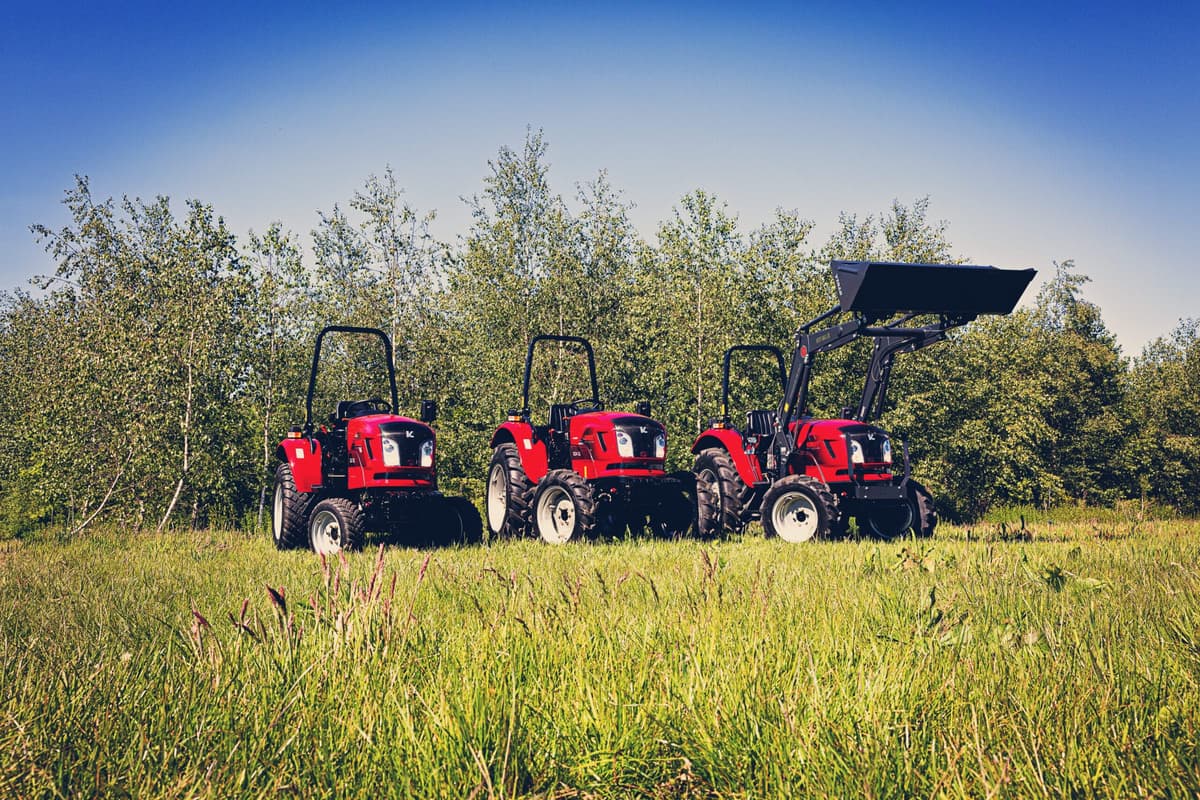
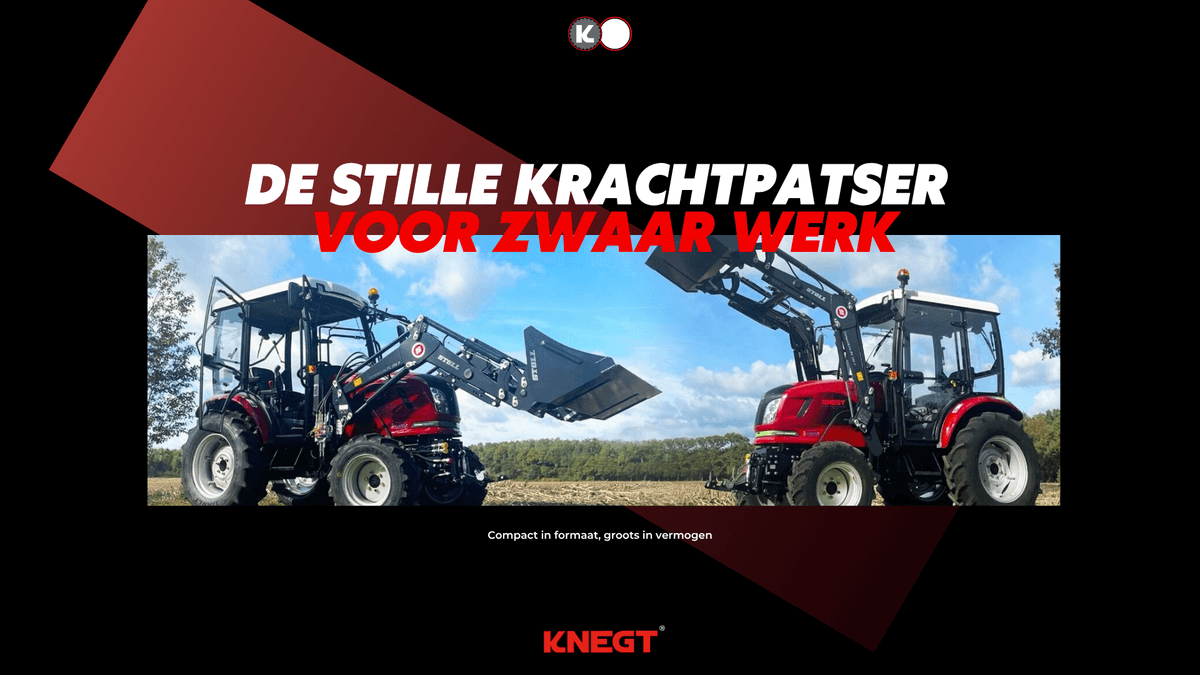
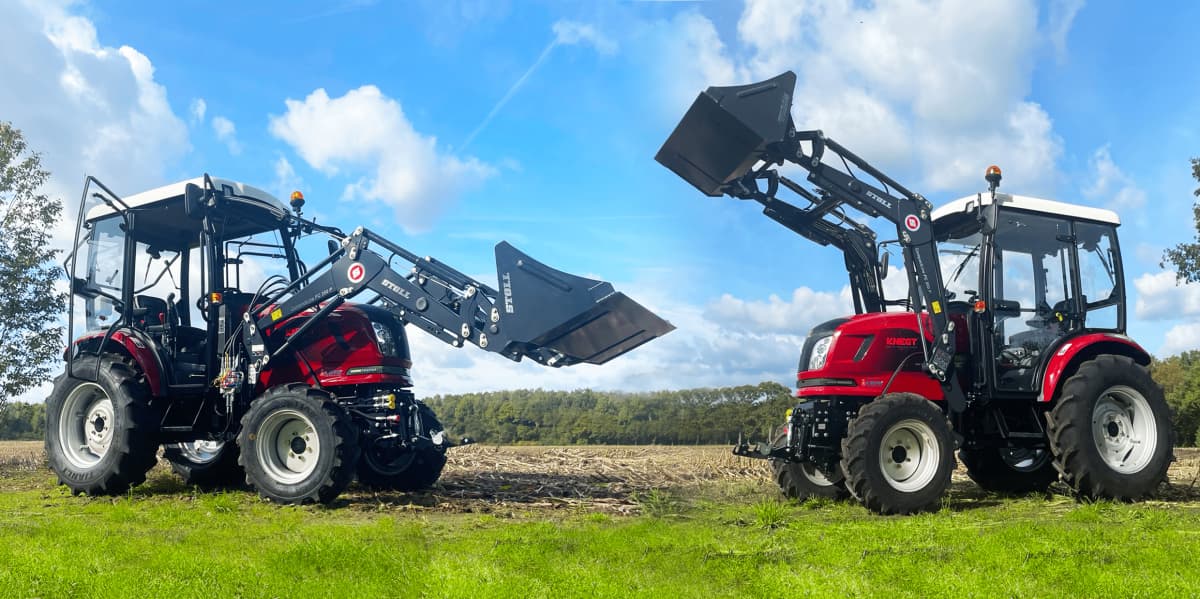
At Knegt you choose from four versions in the configurator: basic, with front loader, with cab, or cab plus front loader. The electric models 304G2E, 404G2E and 504G3E all offer the option of a cab and a front loader, and the accessories range also includes a Knegt half cab.
Open, half cab or cab: the differences
The three variants differ mainly in protection, visibility and how easy it is to get on and off:
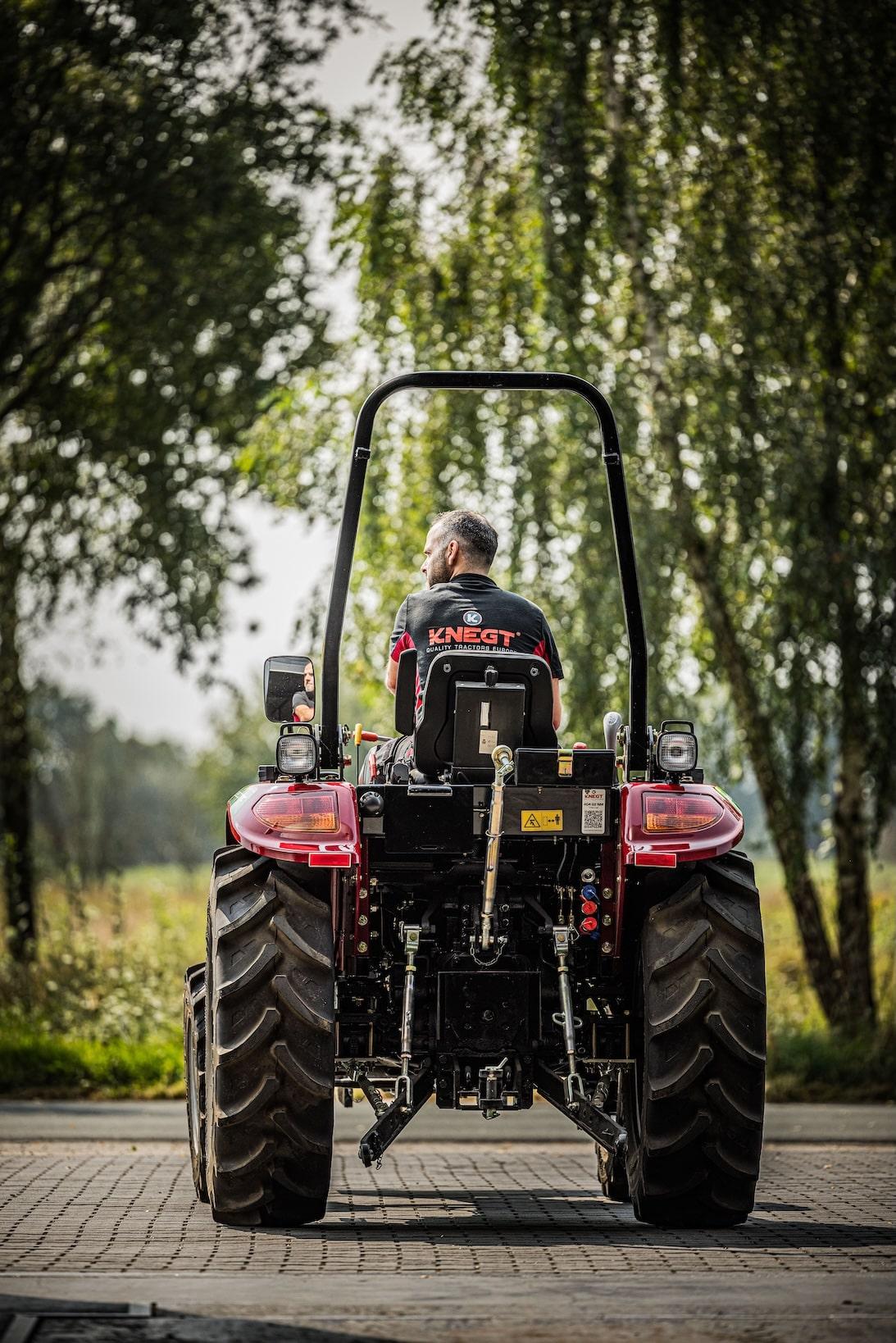
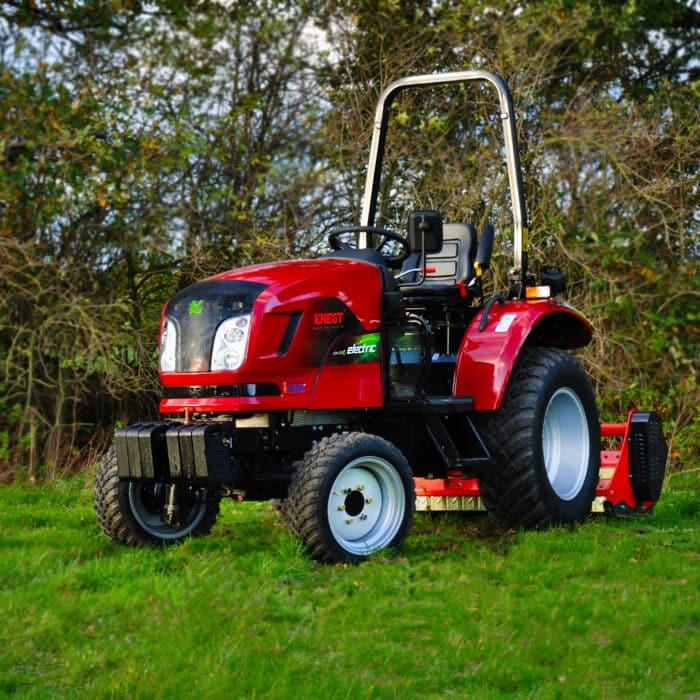
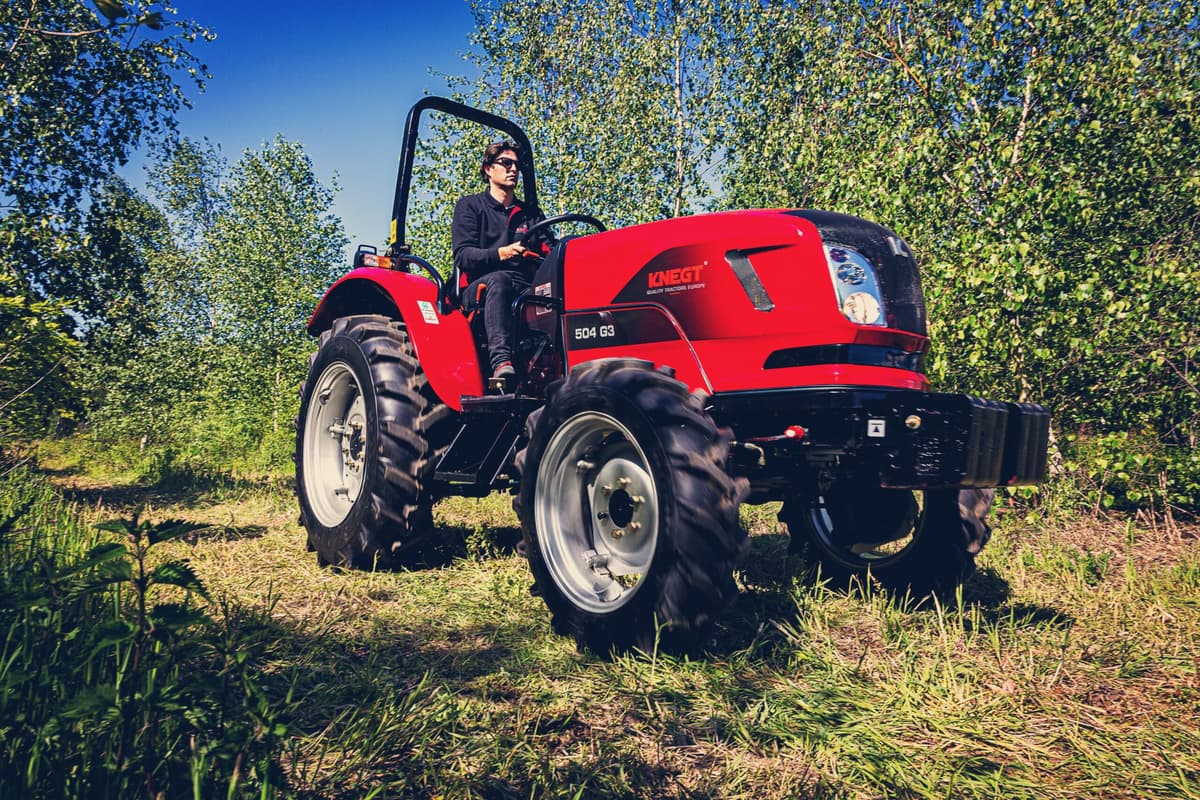
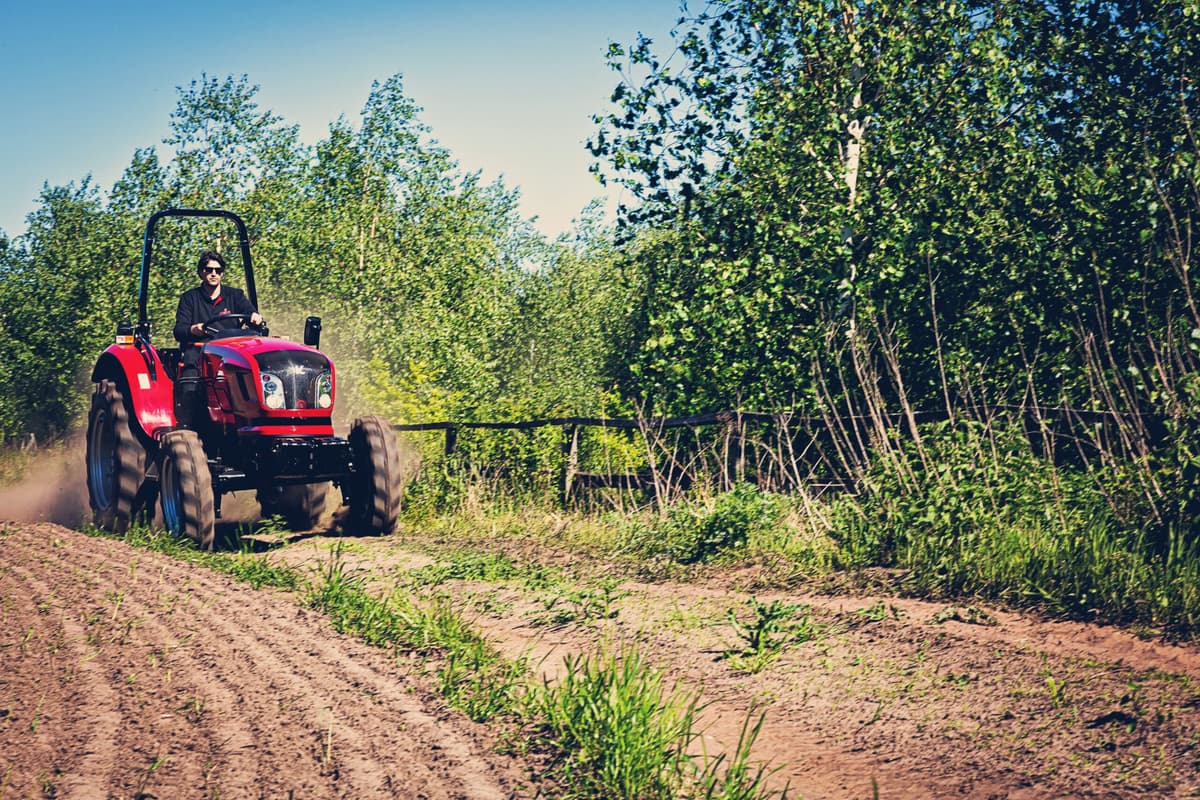
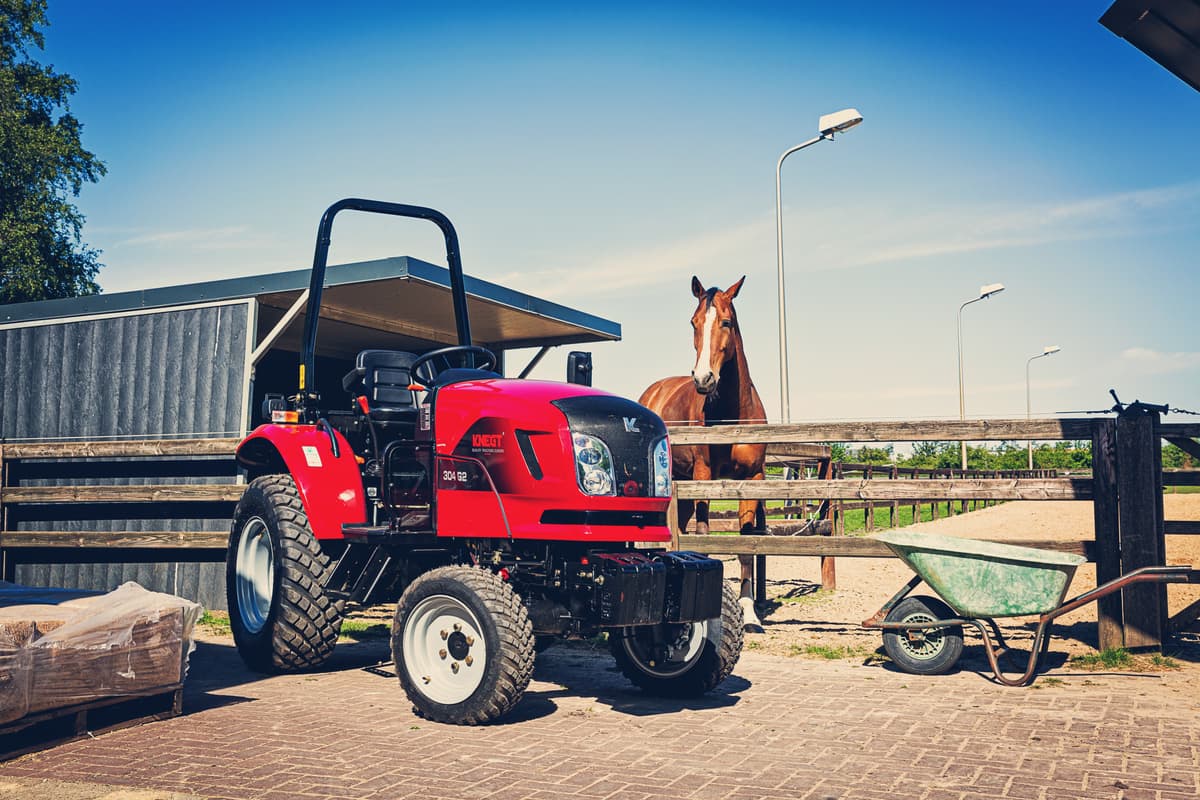
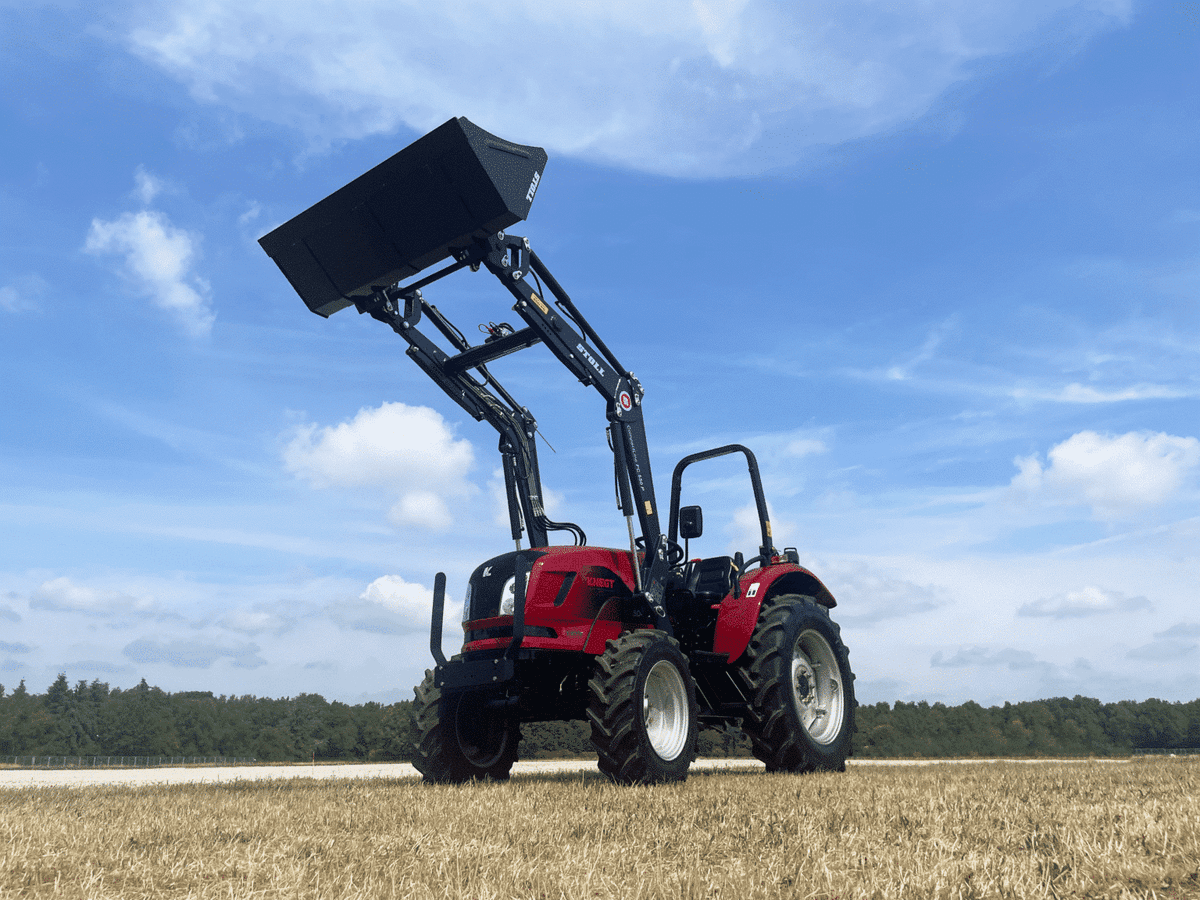
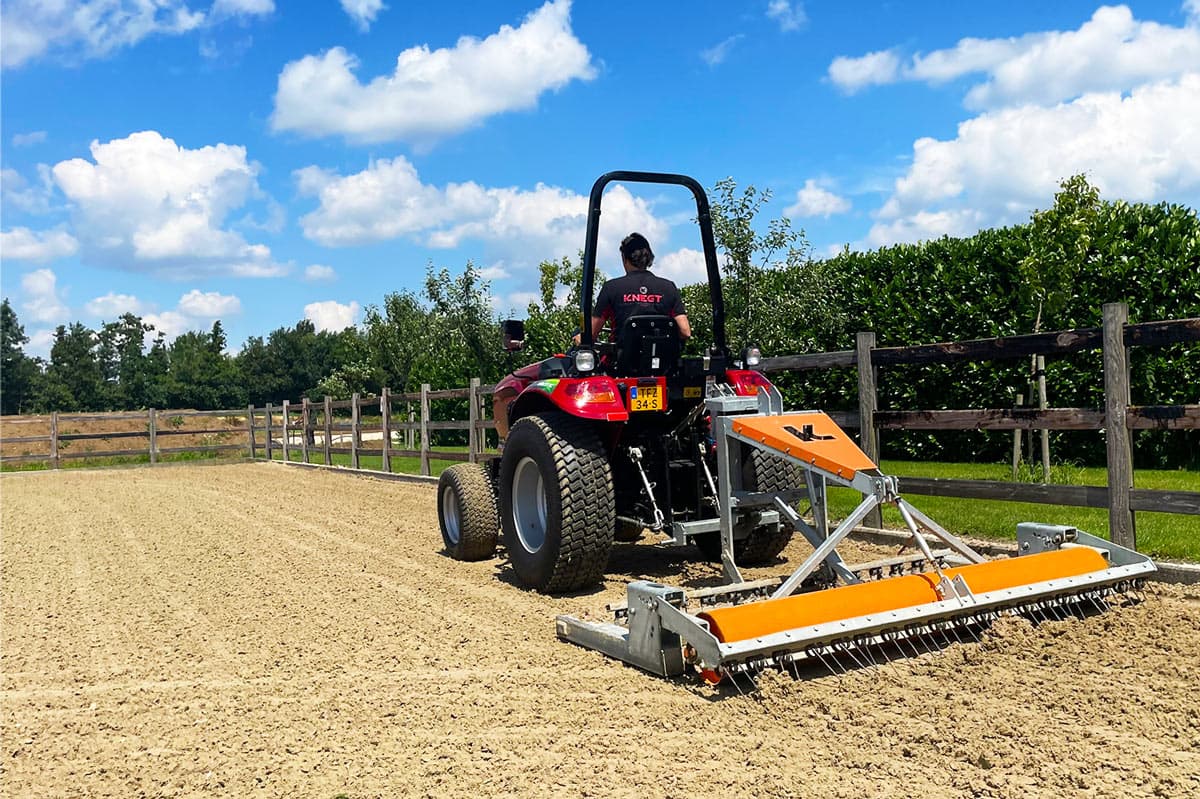
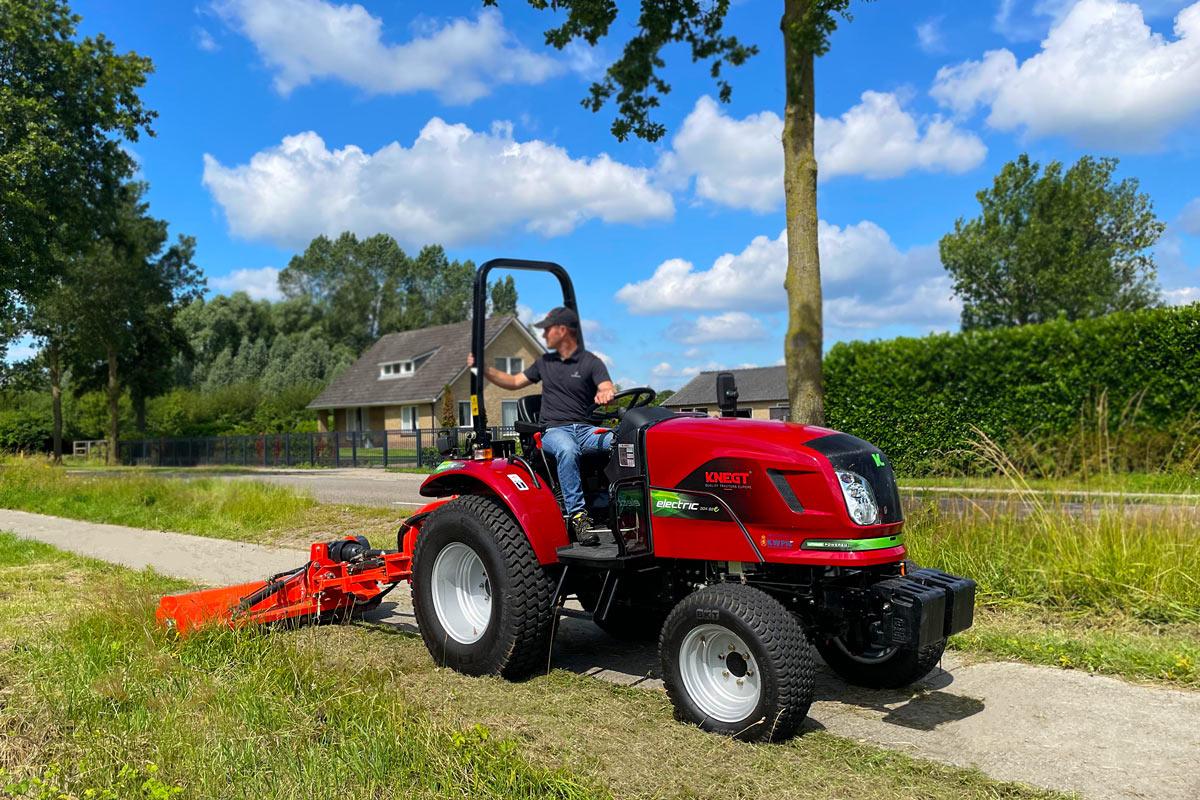
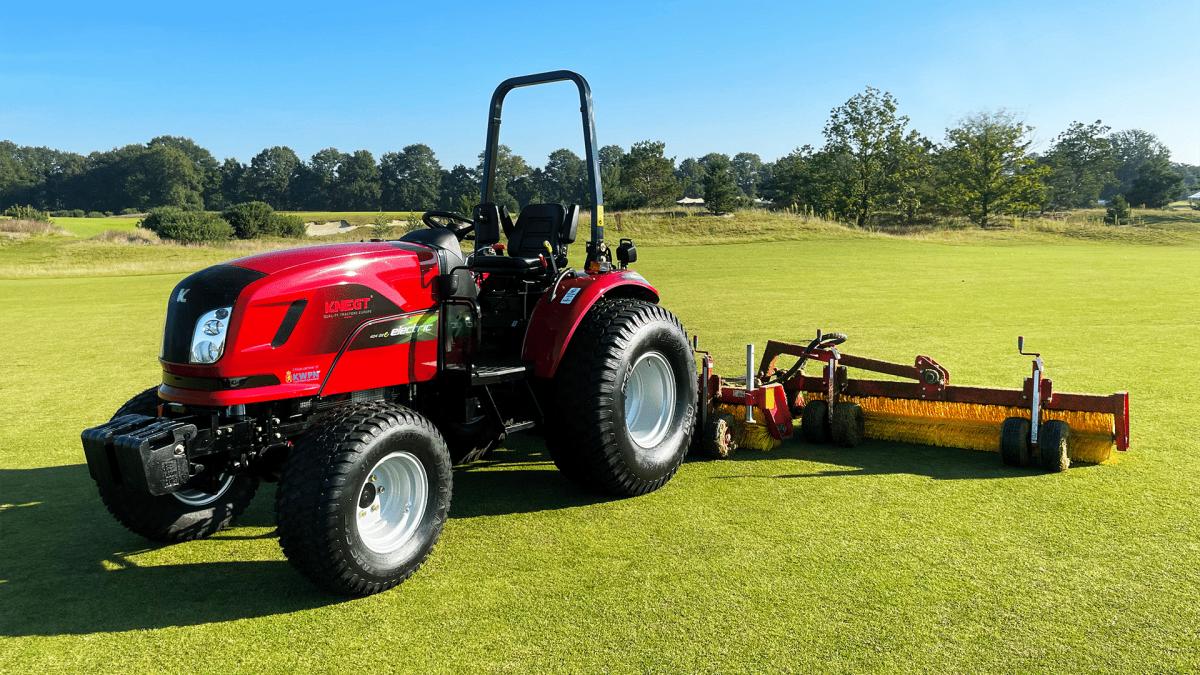
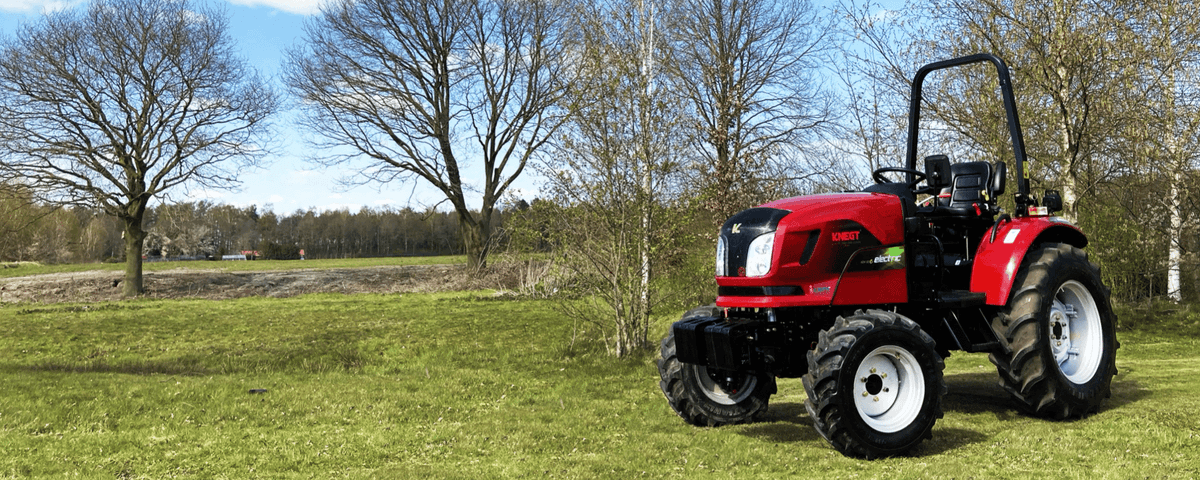
- Open tractor: no structure around the driver's seat. You have a clear view all around, get on and off fastest and pass under low entrances most easily. You are, however, fully exposed to weather, dust and sun.
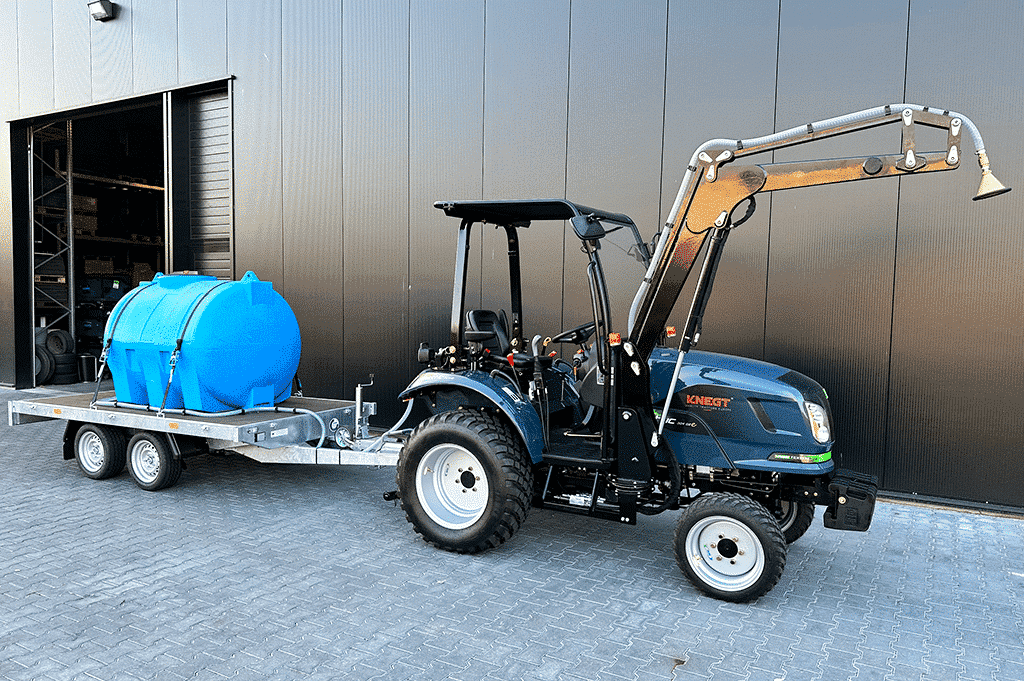
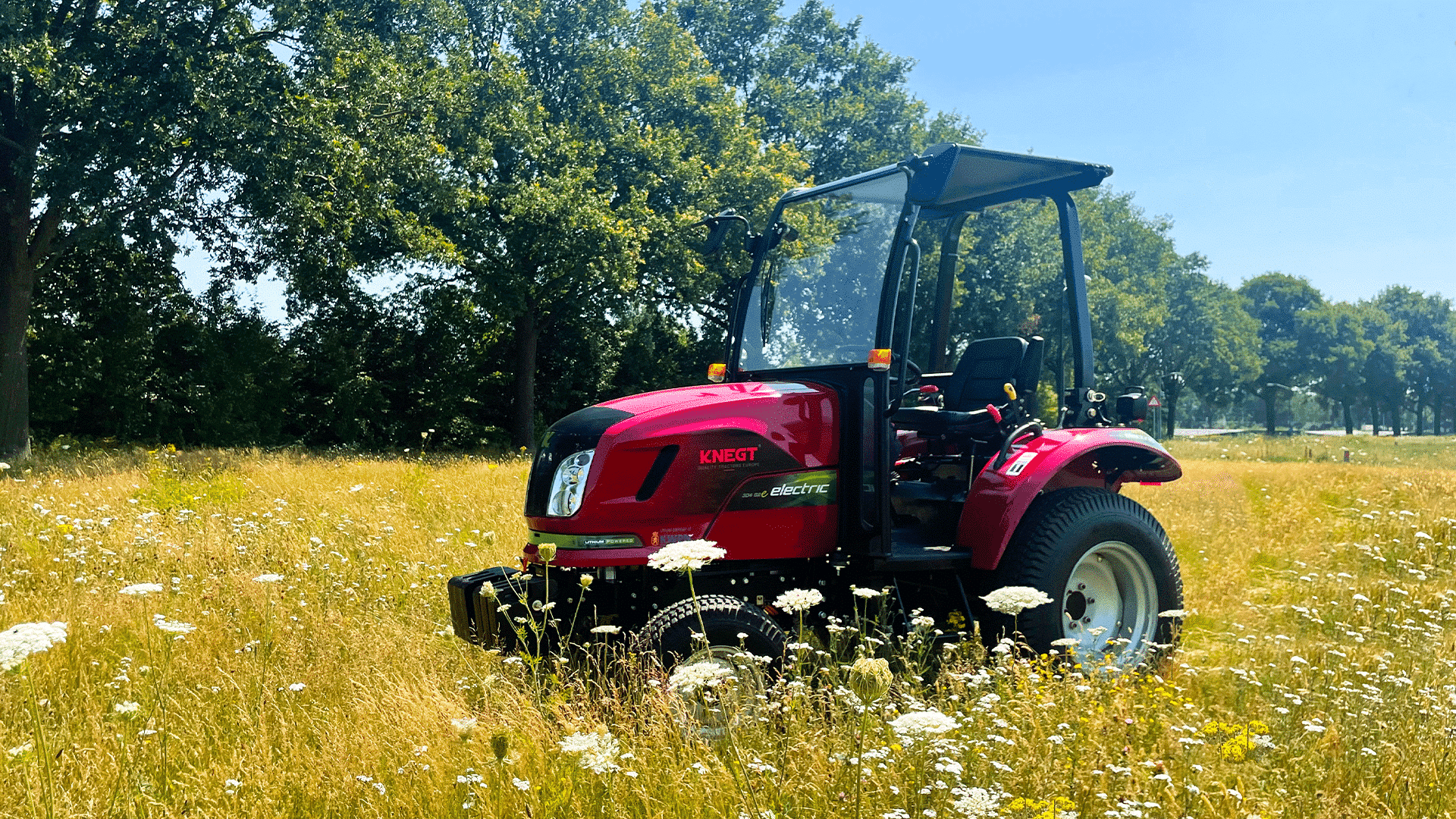
- Half cab: shelter from rain and wind while partly keeping the open character of the tractor. A middle ground for anyone who gets on and off often but does not want to sit in the rain.
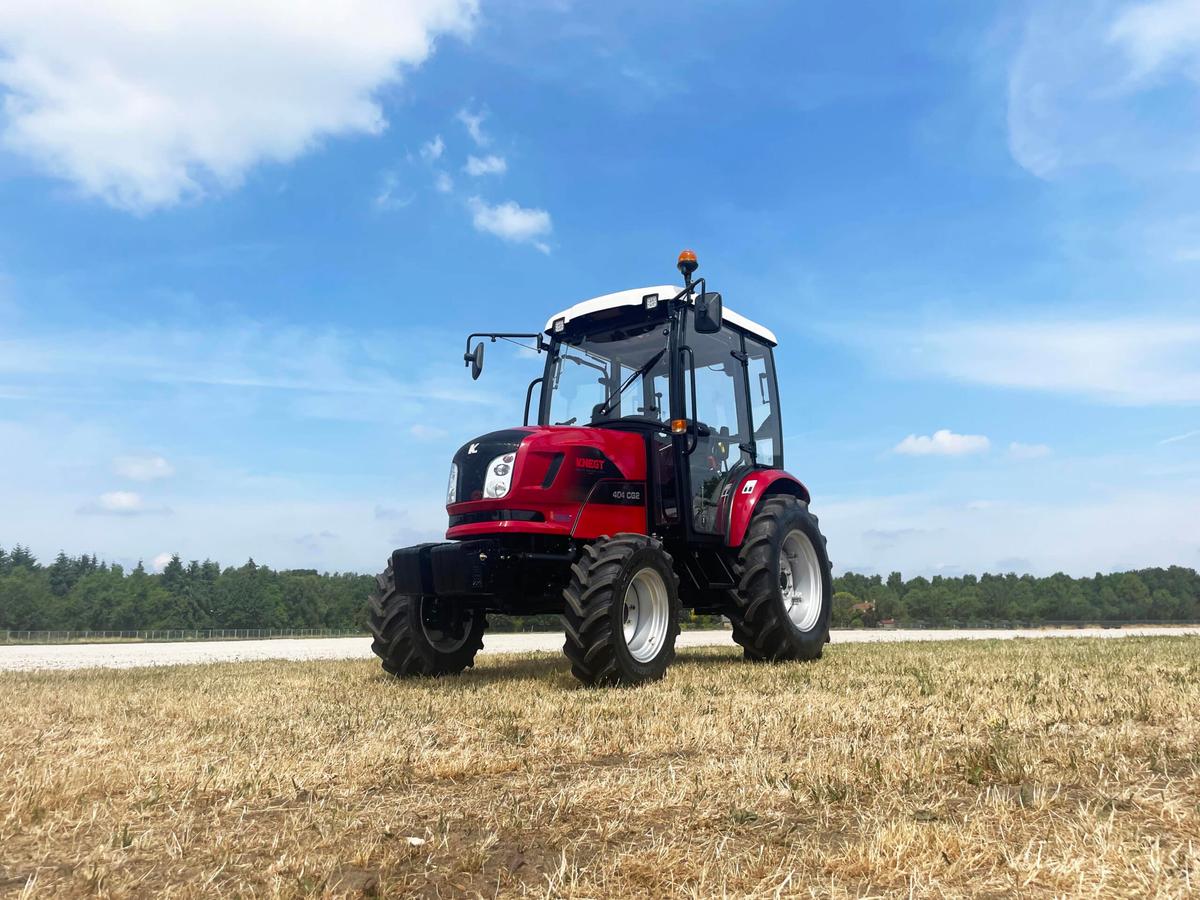
- Cab: fully enclosed, giving the best protection against dust and extreme temperatures. The luxury cab is the most comfortable choice if you spend long hours on the tractor every day.
With an electric compact tractor there is one more factor: there is no combustion engine, so no exhaust fumes or diesel smell around the driver. That makes even an open tractor more pleasant than you may be used to with diesel. Only a cab or half cab helps against dust, rain and cold, though.
When does a tractor with a cab pay off?
A cab mainly pays off when you work long hours in changing conditions:
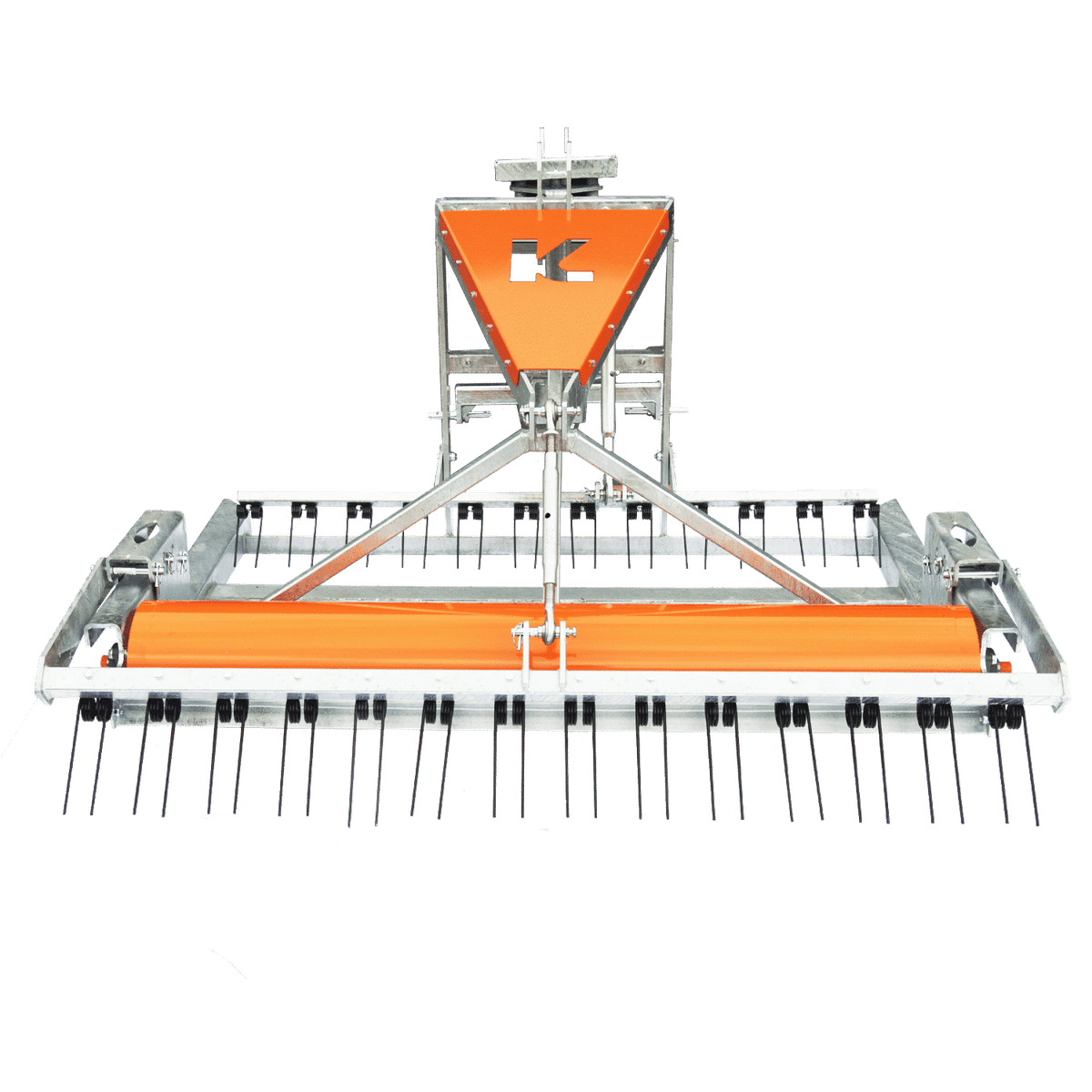
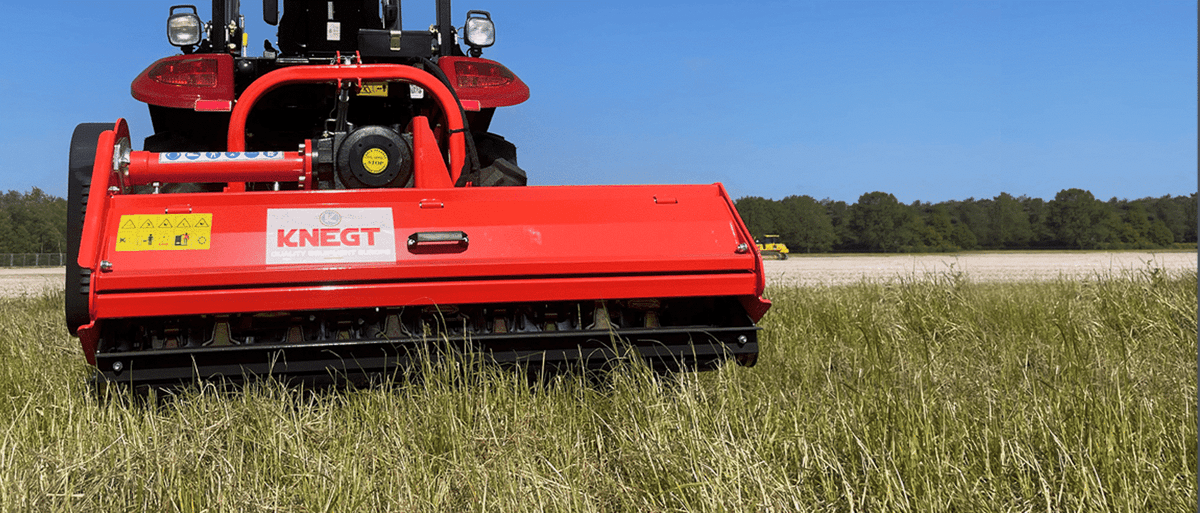
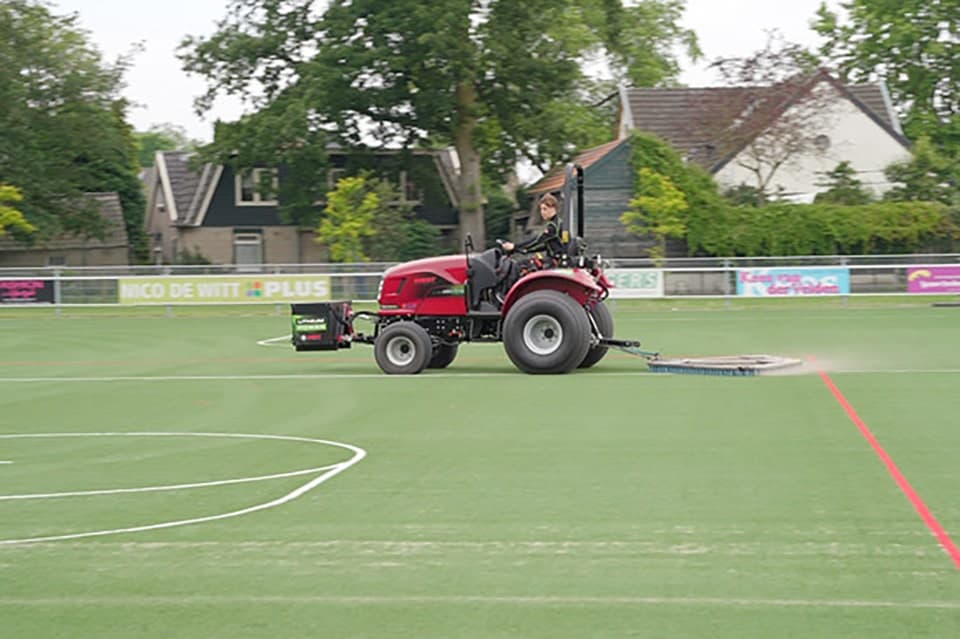
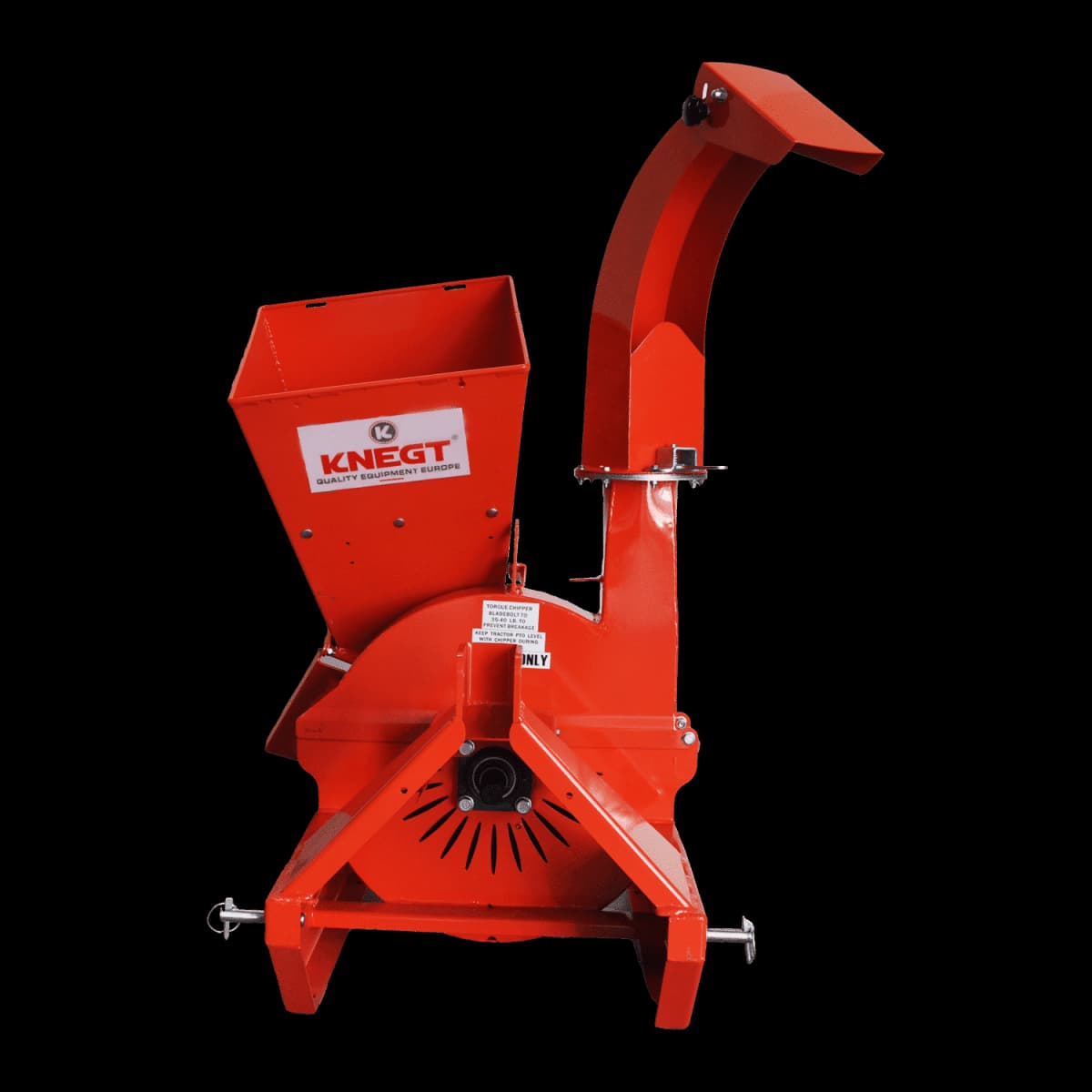
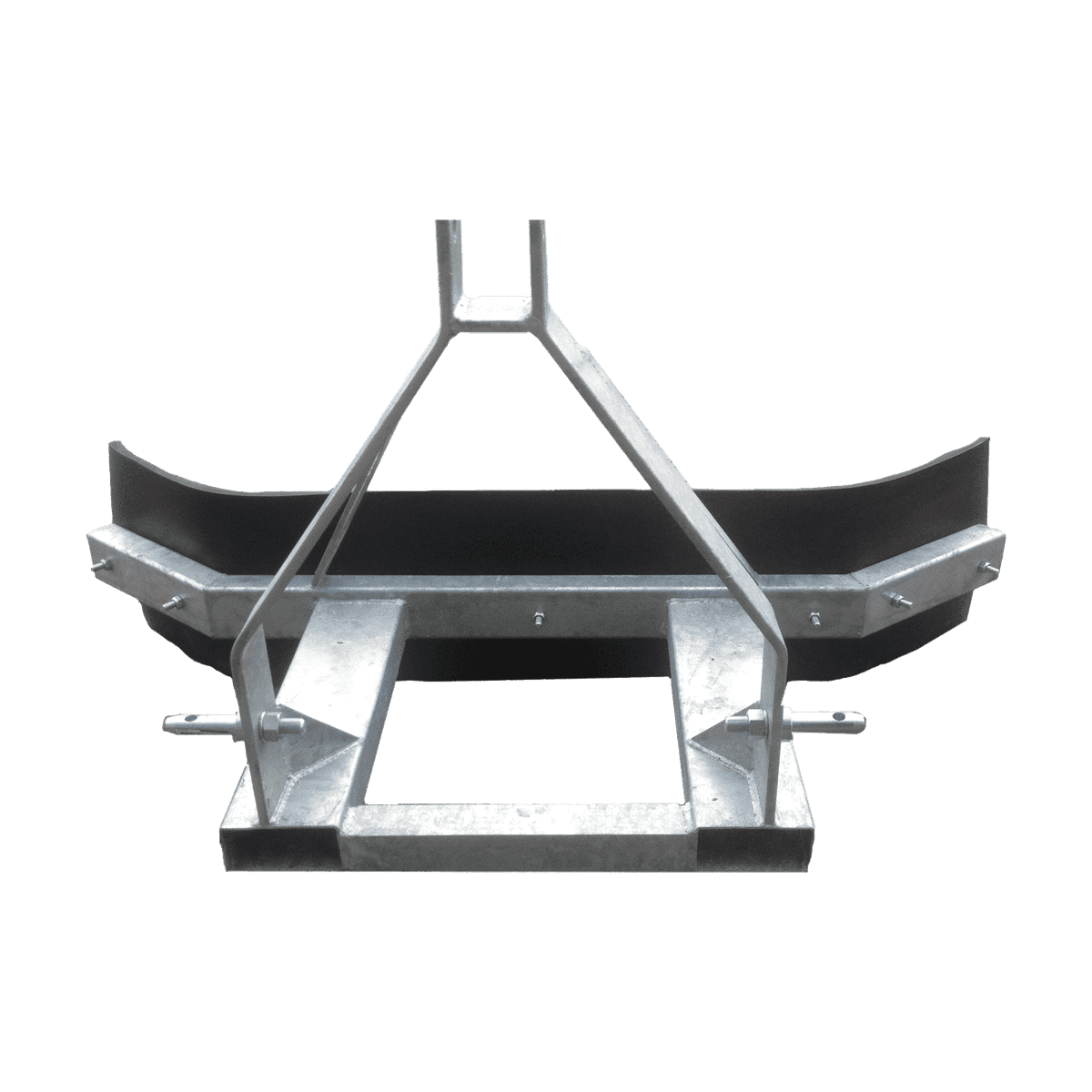
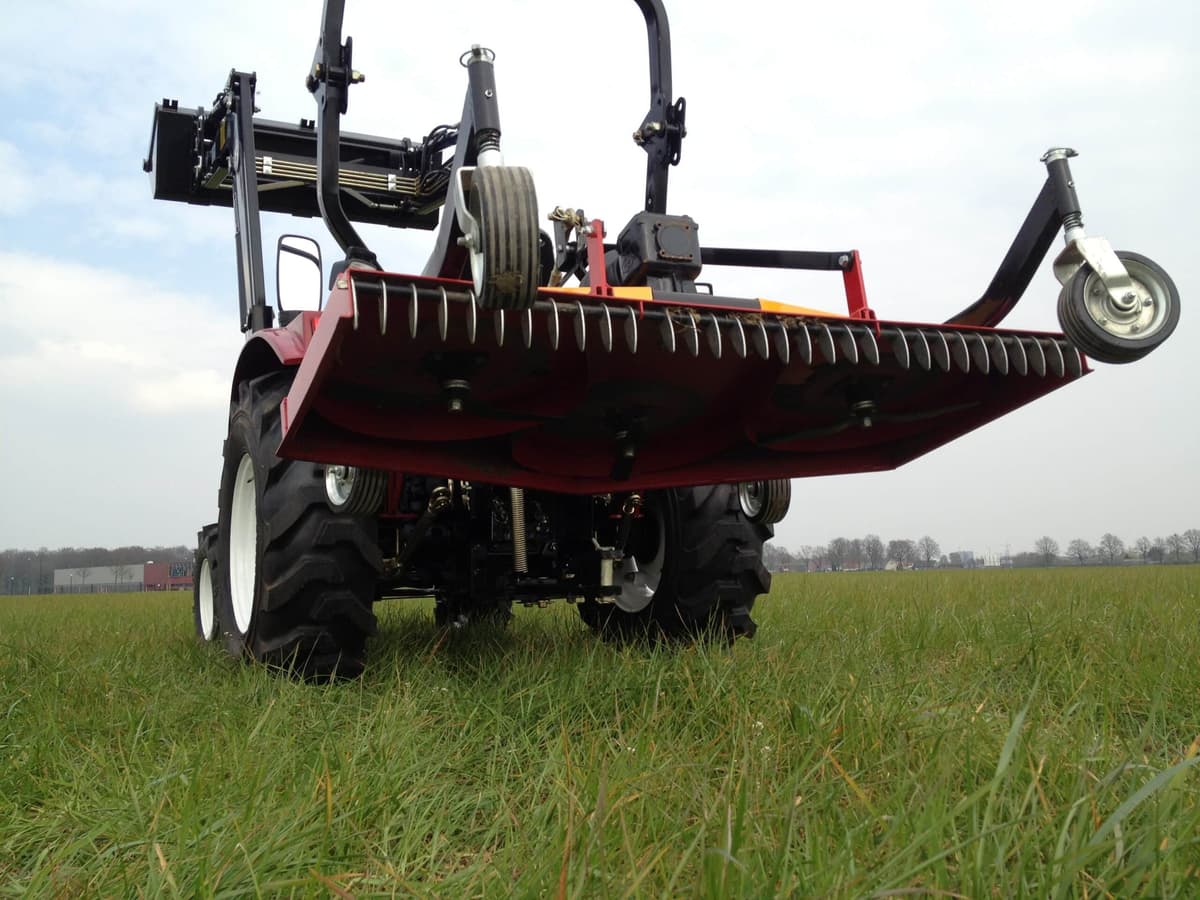
- Dusty work: mowing with a flail mower, chipping wood or dragging arenas with an arena leveller creates dust and flying material in dry weather.
- Long working days: if you spend hours on the tractor every day, you notice the difference in comfort most, especially in autumn and winter.
- Working in every season: grounds maintenance, landscaping and yard work carry on in rain, wind and cold.
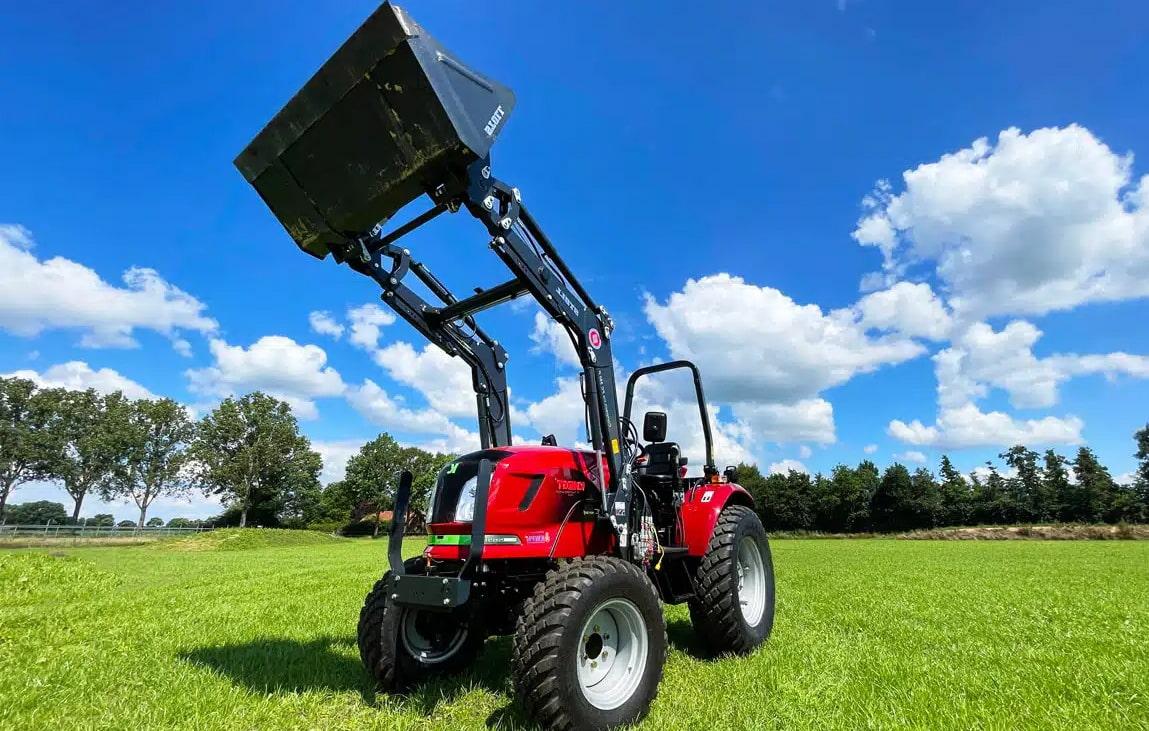
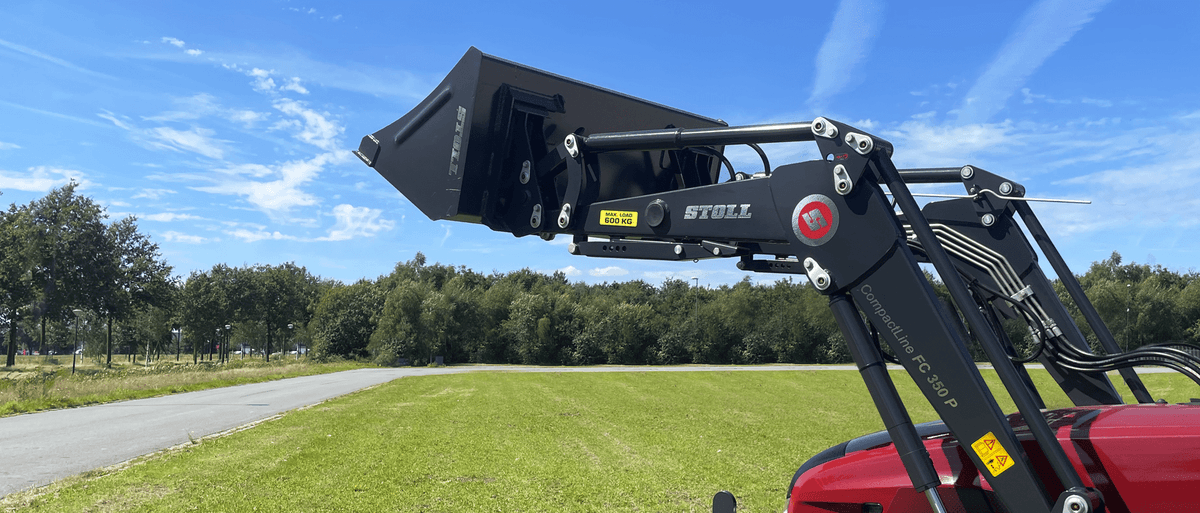
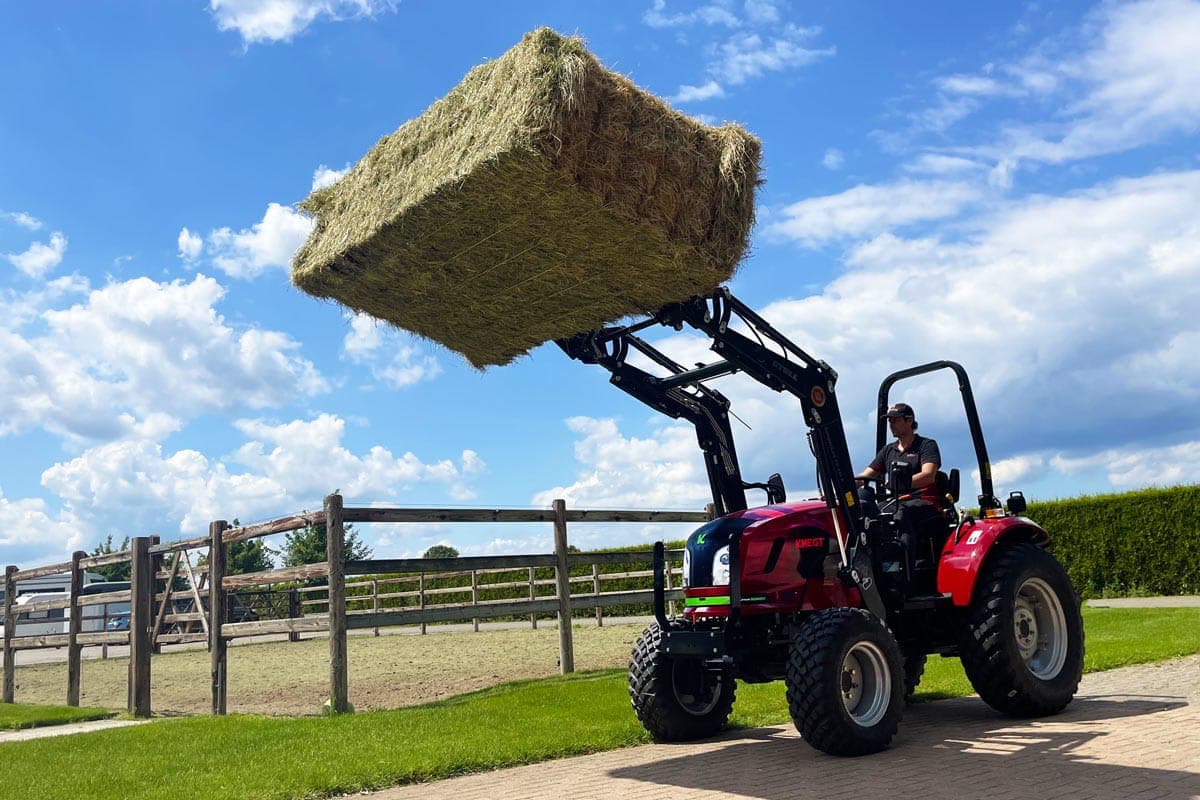
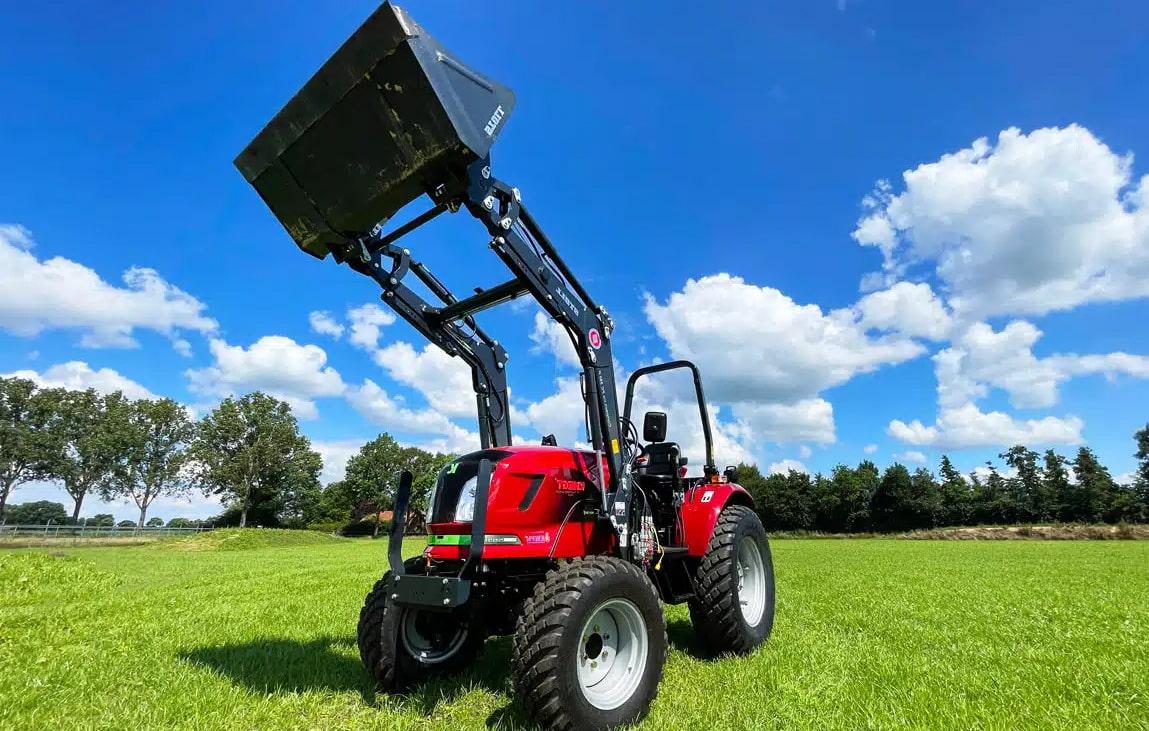
- Lots of front loader work: with the cab plus front loader version you load manure, soil, sand or pallets without standing in the wind yourself.
- Driving between sites: if you regularly drive on public roads to the next site, you stay sheltered from weather and road spray.
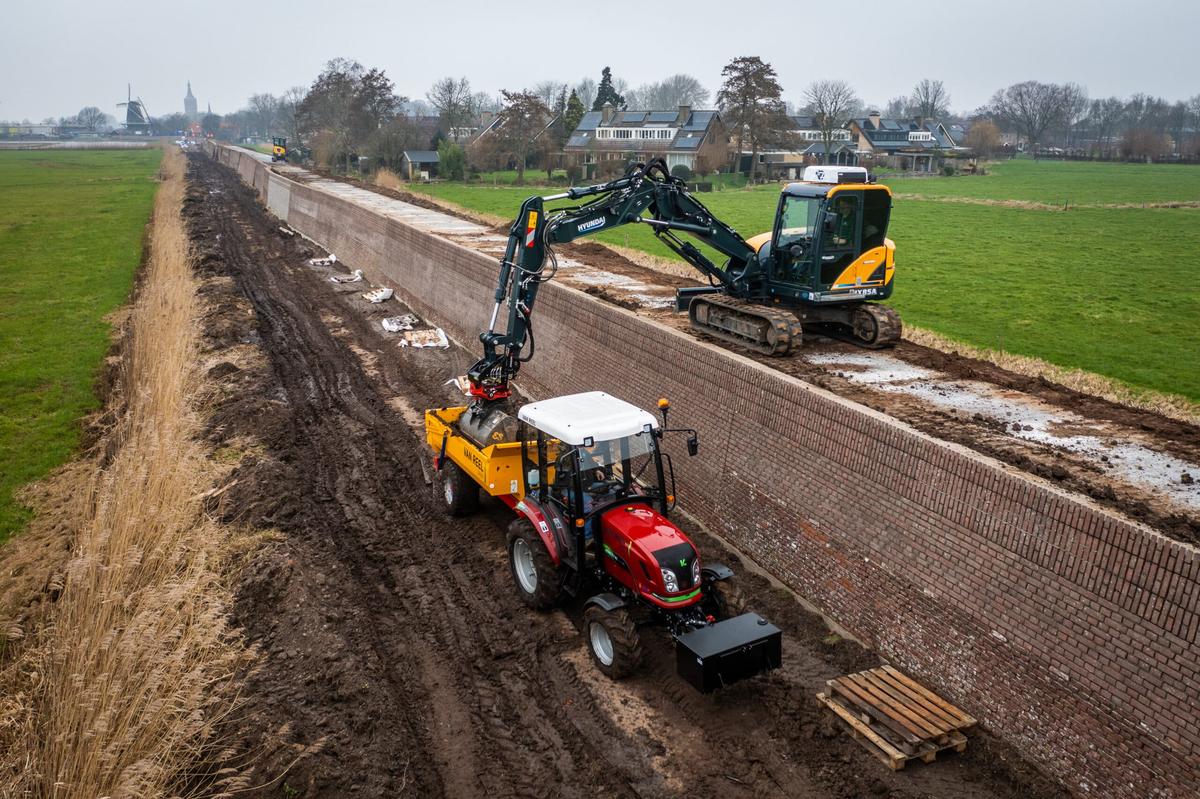
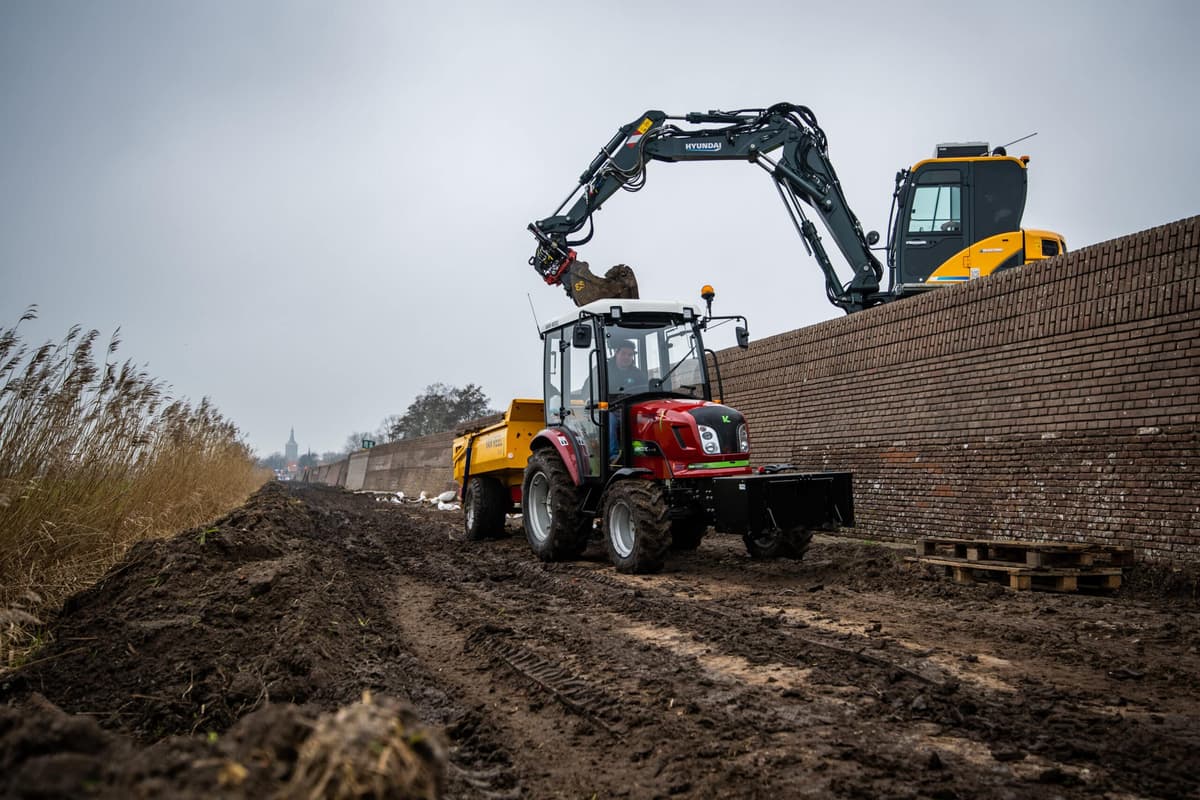
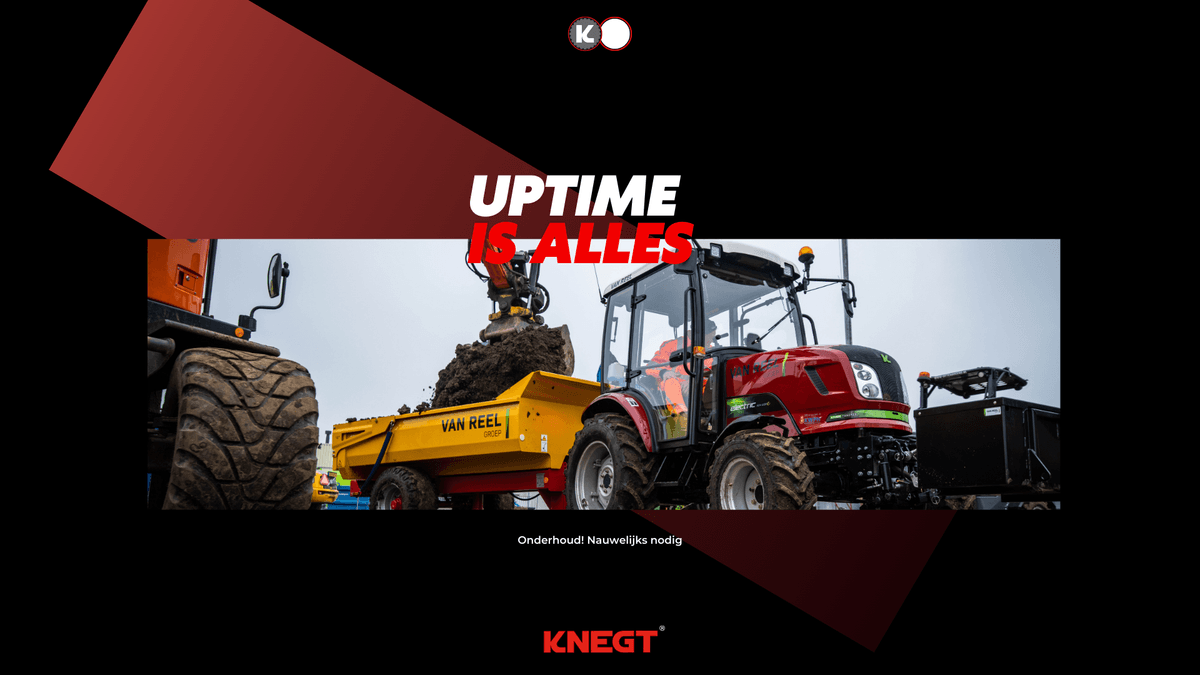
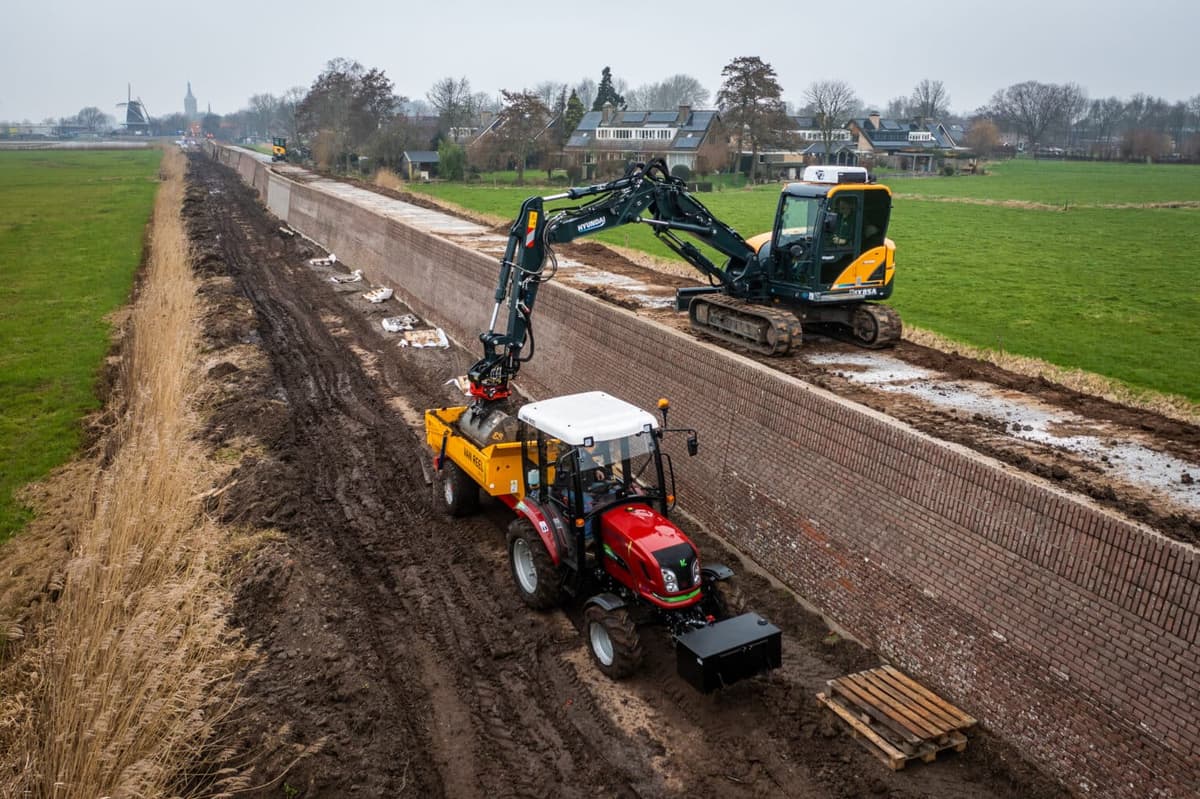
An example from Knegt's projects: Van Reel chose two 404G2E tractors with a cab and an extra battery pack.
When is open or a half cab more practical?
A cab is not always the best choice. In these situations an open tractor or a half cab is often more practical:
- Getting on and off often: when opening gates, working around paddocks and stables, changing implements or picking up materials, you are on and off the tractor faster.
- Low entrances: a structure makes the tractor taller. If you drive into stables, barns, greenhouses or sheds, measure the clearance height beforehand and ask your dealer for the total height of each version.
- View of the implement: for precision work between trees, along borders or in the greenhouse, an unobstructed view helps.
- Short jobs: if you only spend a short time on the tractor each day, an open tractor or half cab is often enough.
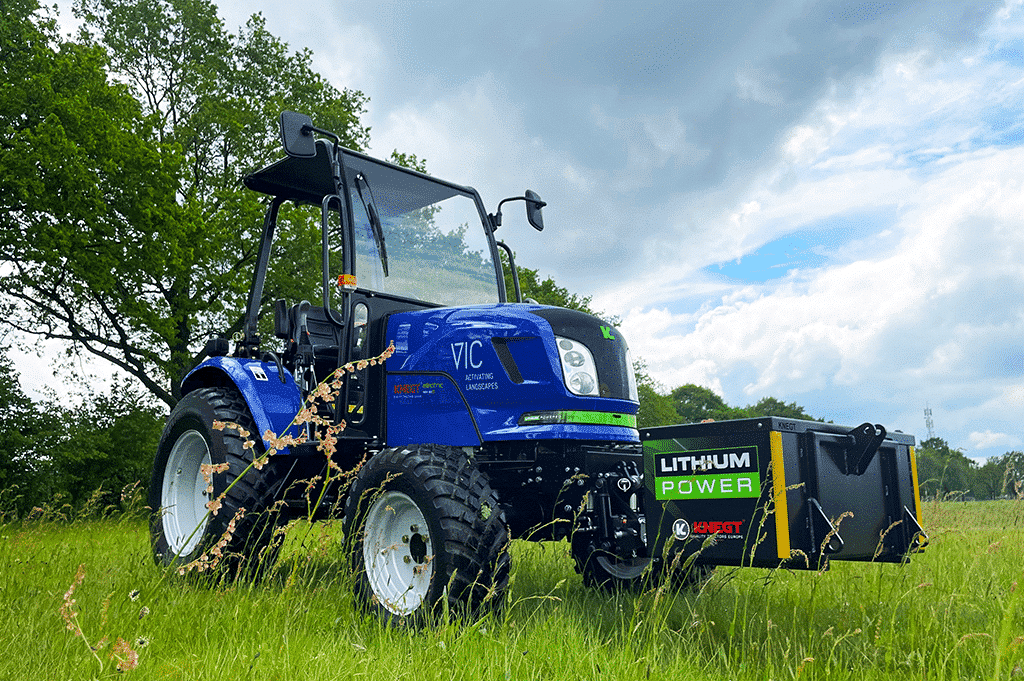
Another example from practice: VIC Activating Landscapes uses a 304G2E with a half cab, extra battery pack and Garden Pro tyres for grounds maintenance.
Your choice in 5 steps
These five steps quickly lead you to the version that suits your work:
- Step 1, map out your work: which tasks do you do, for how long each day and in which seasons?
- Step 2, consider dust and weather: lots of mowing, chipping or dragging in dry weather, or working in rain and cold, points towards a cab.
- Step 3, measure your entrances: note the lowest door, gate or canopy the tractor has to pass under and compare it with the height of the chosen version.
- Step 4, think about the front loader: if you do a lot of loading, consider the cab plus front loader combination. The Stoll front loader is available as an option.
- Step 5, choose model and battery: the 304G2E (45 hp), 404G2E (55 hp) and 504G3E (65 hp) have separate electric motors for driving and hydraulics. In the configurator you also choose a standard or plus battery; working time depends on work intensity and your battery choice.
The configurator shows what each version costs per model. For a complete price including implements and accessories, request a quote.
Frequently asked questions
Can I have a cab or half cab fitted later?
That depends on the model and version. Knegt's accessories range includes a half cab. Ask your dealer which structure can be retrofitted to your tractor.
What does a tractor with a cab cost?
The additional price for the cab or cab plus front loader version is shown per model in the configurator. For a complete price including implements, request a quote.
Is an open electric tractor more pleasant than an open diesel?
An electric tractor has no exhaust fumes and makes little noise, so on an open tractor you have no diesel smell or engine noise around you. Only a cab or half cab protects against dust, rain and cold.
Which version suits an equestrian business or nursery?
If you get on and off a lot and have low stables or greenhouses, an open tractor or half cab is often practical. For long days outdoors, such as in grounds maintenance, a cab is the more obvious choice. A demo on your own site settles it.
Try the difference on your own site
Unsure whether to go for open, a half cab or a cab? Request a free demo and see on your own site how the tractor works and drives through your gates, stables or greenhouses. Prefer to talk it through first? Book an advice meeting, request a quote or find a Knegt dealer near you.