Front linkage on a compact tractor: when is it useful?
The short answer
A front linkage (also called a front three-point hitch) is a lifting system on the front of the tractor. Like the rear three-point linkage, it raises and lowers implements, but in front of the tractor. That is useful for work you want to see and steer as you drive forward, such as sweeping, snow clearing or mowing, and for using a front and rear implement at the same time.
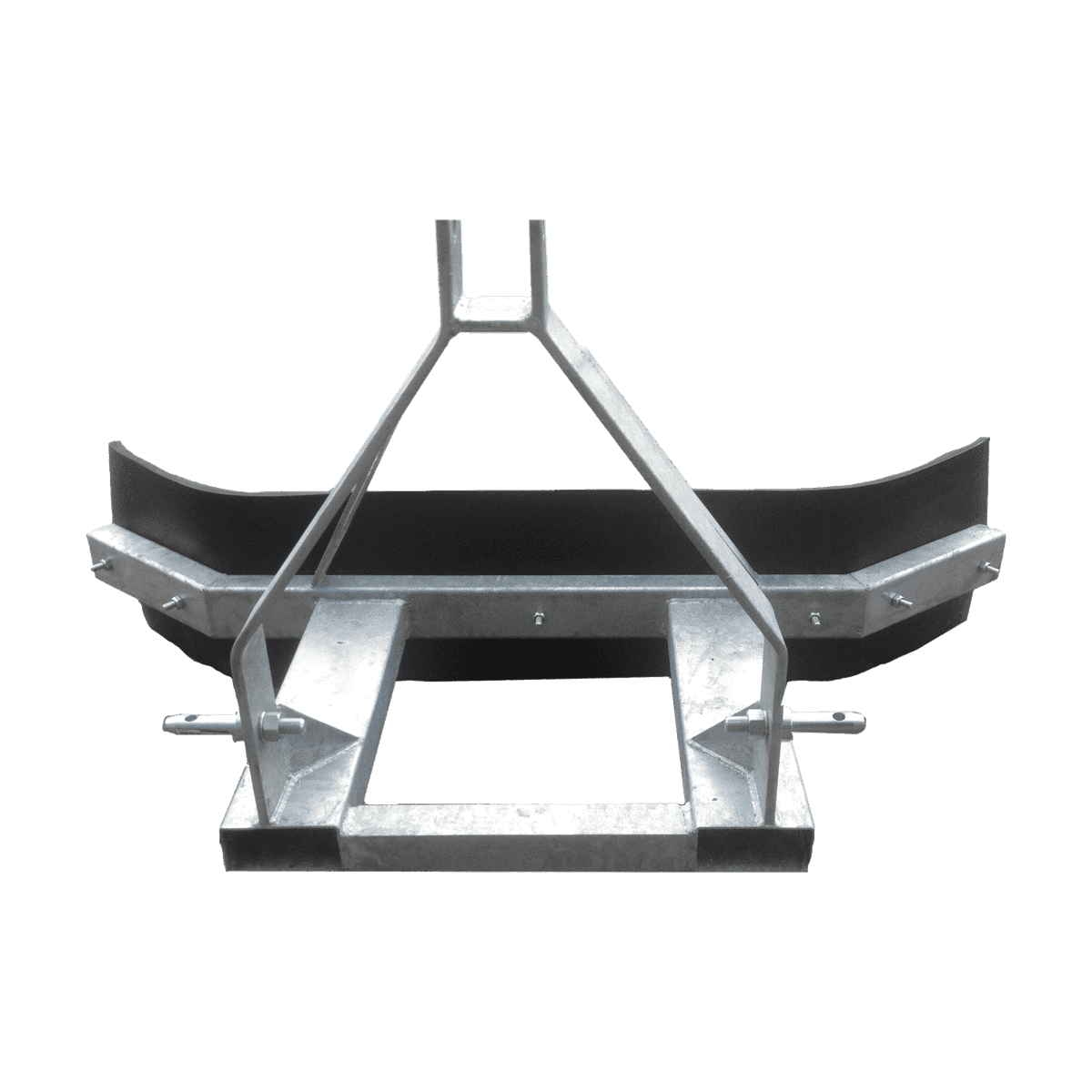
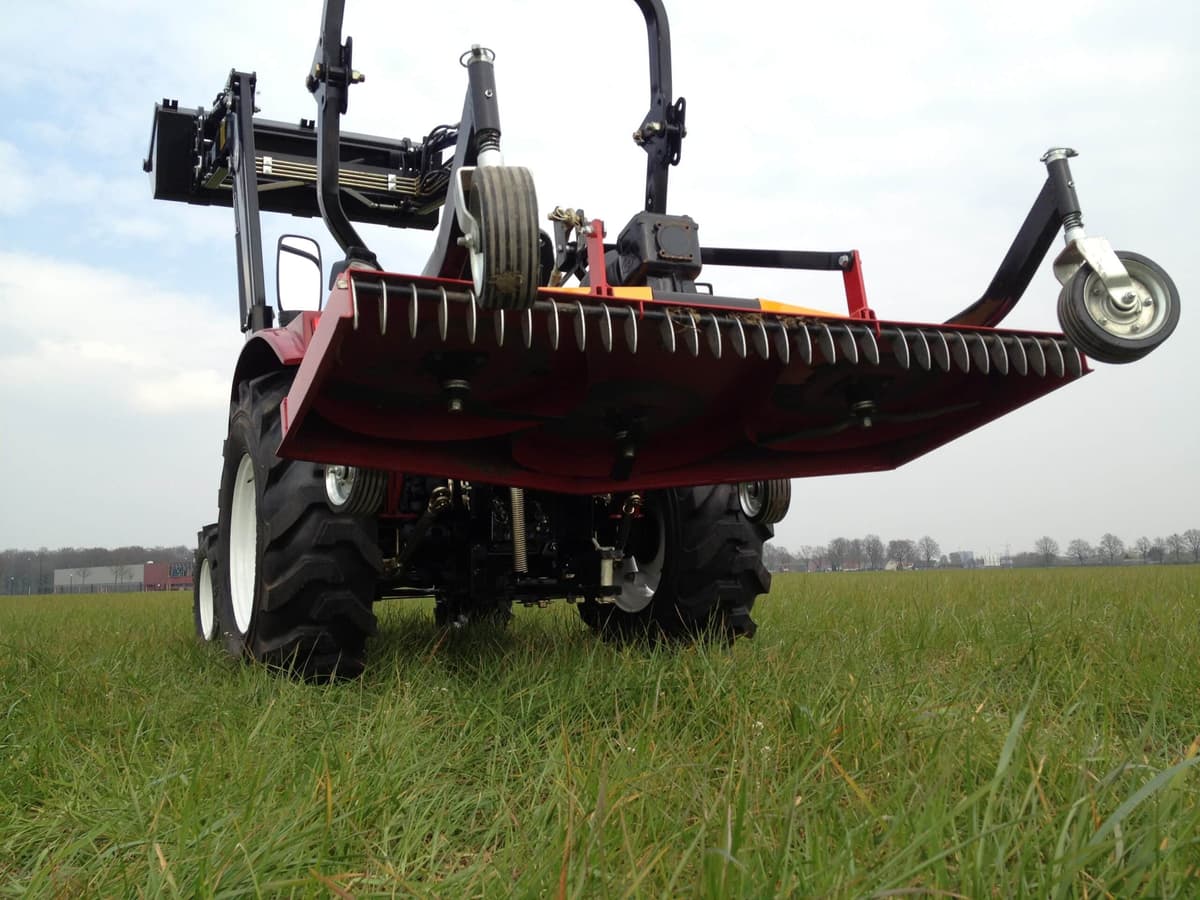
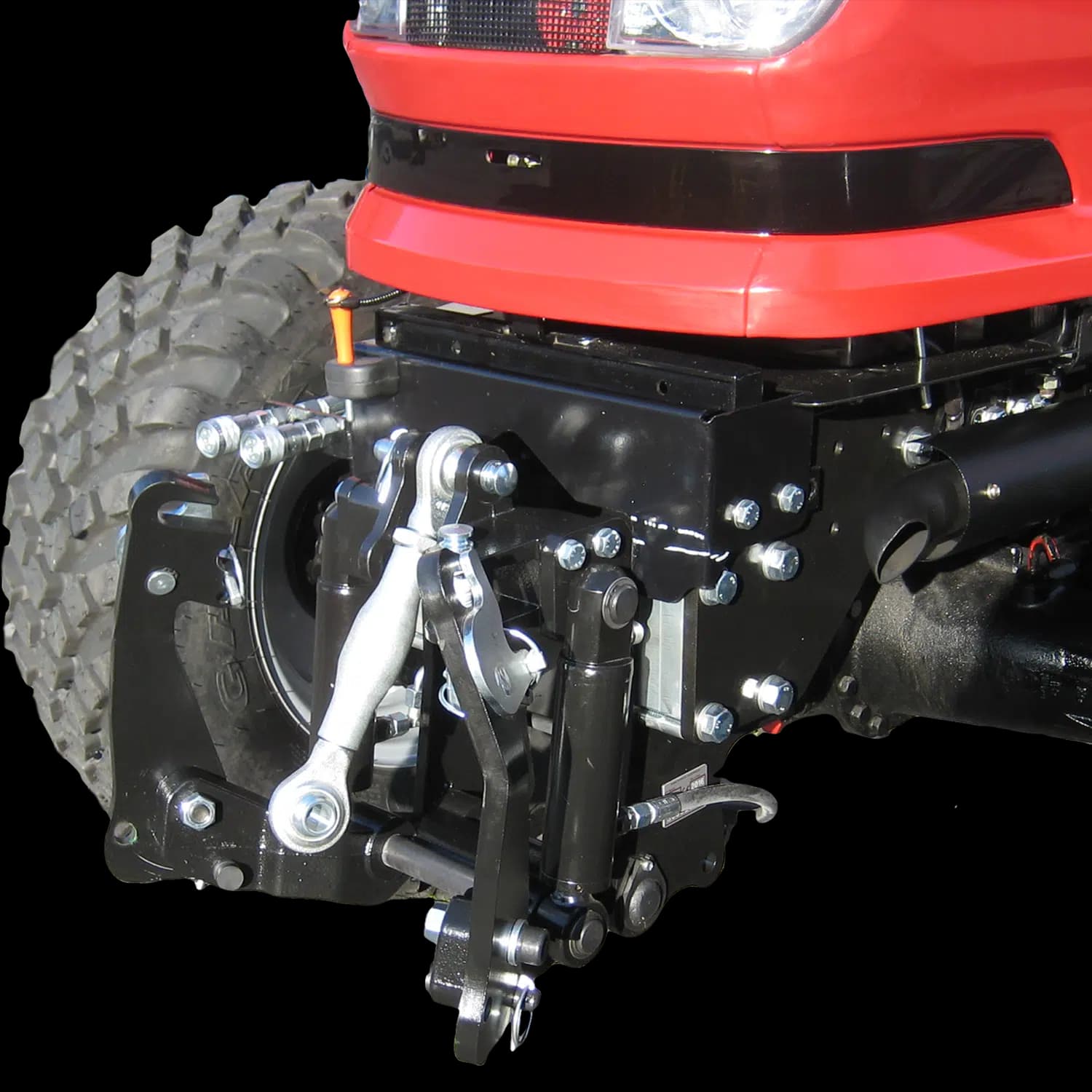
Knegt supplies the Zuidberg front linkage as an accessory. It lets you attach implements with a category 1 connection to the front of your Knegt tractor. The front linkage is optionally available with a PTO and/or a third hydraulic function.
What is a front linkage and how does it work?
A front linkage consists of a frame mounted on the front of the tractor, with two lift arms and a top link. You attach the implement the same way as at the rear: with a three-point connection. The lift arms are operated hydraulically from the driver's seat, so you raise the implement for transport and lower it to work.
Implements that need their own drive, such as a sweeper brush or mower, require a front PTO. Implements that are adjusted hydraulically, for example a blade that swivels left or right, use an extra hydraulic connection. With the Zuidberg front linkage you can add both options.
The product data on the Knegt website lists a lifting capacity of 300 kg for the Zuidberg front linkage. Always check with your dealer that the weight of your implement falls within that limit and that the combination suits your tractor model.
When is a front linkage useful?
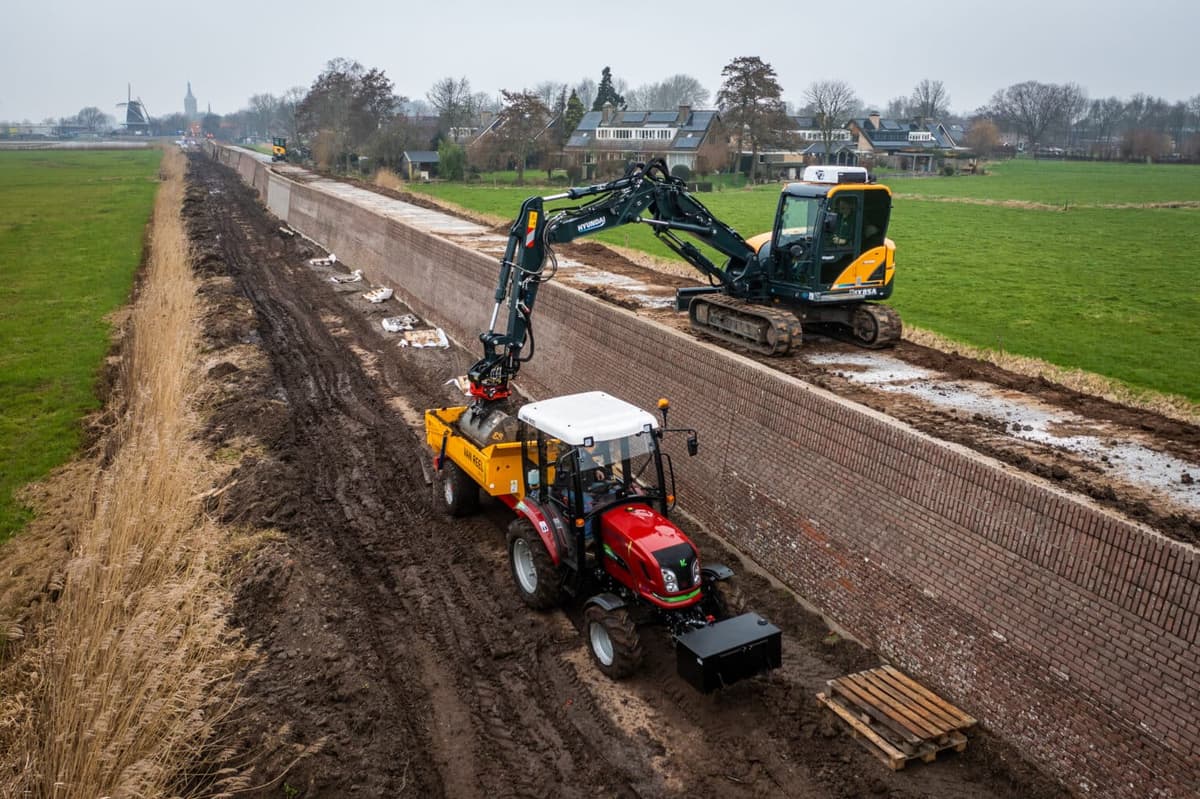
A front linkage is especially useful when you want to push implements rather than pull them, or when you want to see the work directly in front of you. Typical applications include:
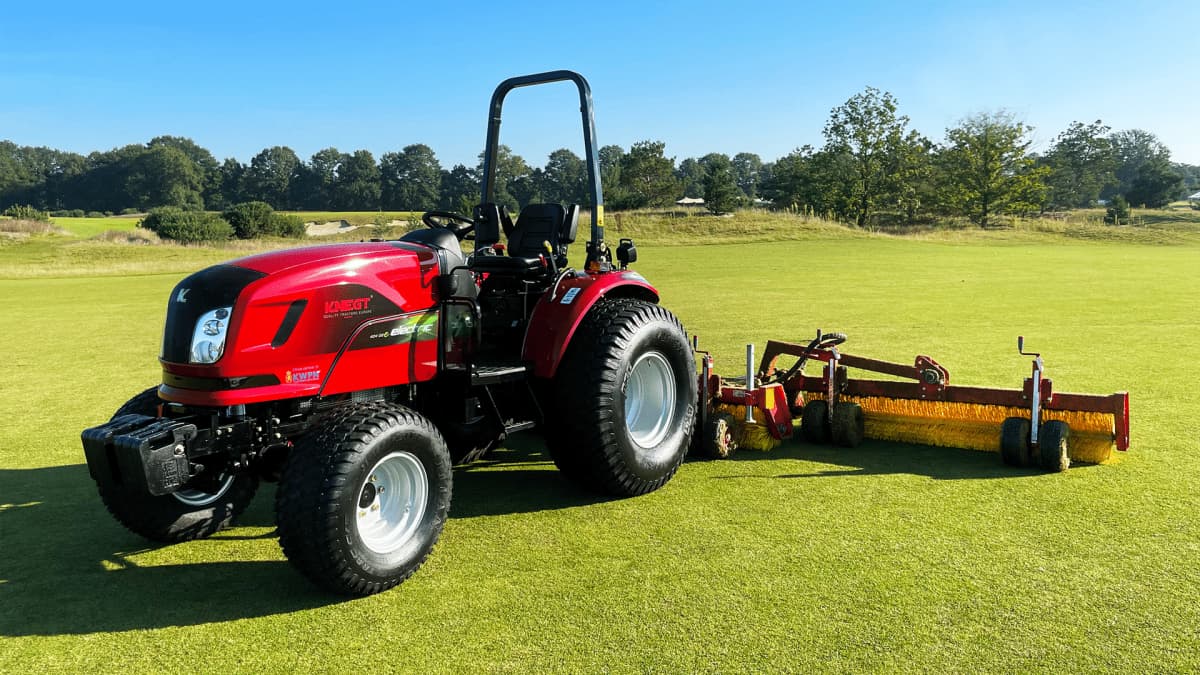
- sweeping yards, paths, car parks and stable aisles with a sweeper brush
- clearing snow from access roads and sites in winter
- mowing with a front mower, so the grass is cut before the wheels roll over it
- pushing manure, sand or mud with a blade
- combination work: an implement at the front and rear at the same time, for example mowing at the front and a second operation at the rear, so you finish in a single pass
A front weight on the linkage can also balance the tractor when you use a heavy implement at the rear. Your dealer can tell you which Knegt implements are suitable for front mounting.
Front linkage, front loader or rear linkage: the differences
A front linkage is sometimes confused with a front loader. Both sit at the front, but they serve different purposes:
- Front linkage: a short lifting system for mounted implements such as sweepers, blades and mowers. The implement sits close to the tractor and is often driven by a front PTO.
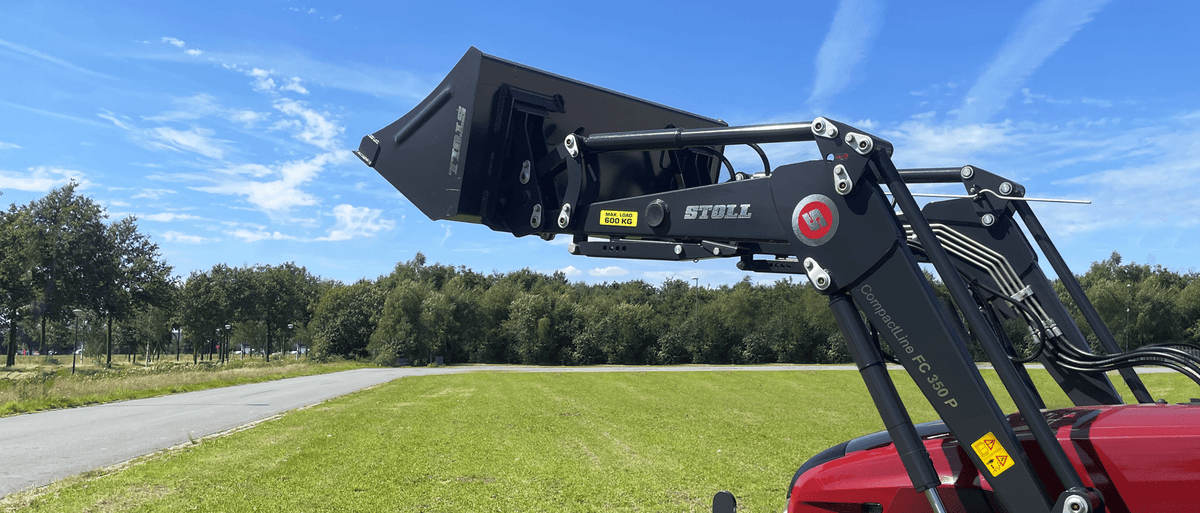
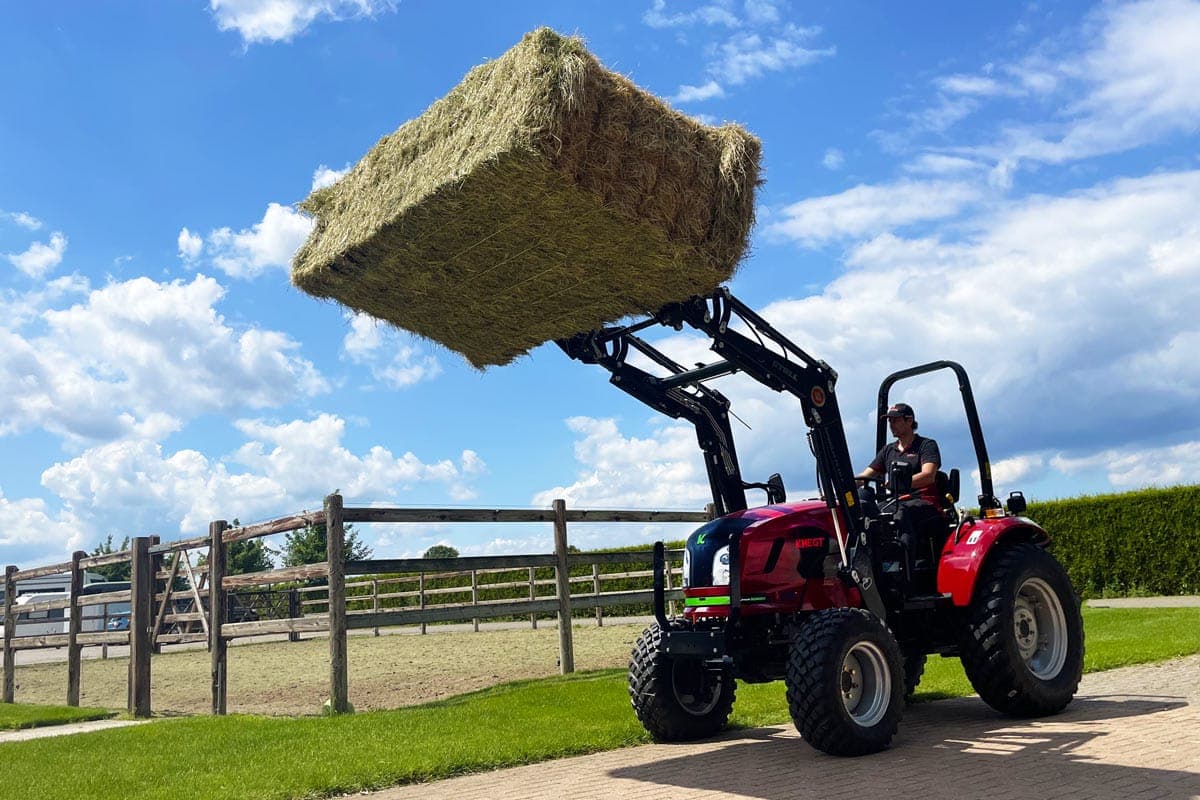
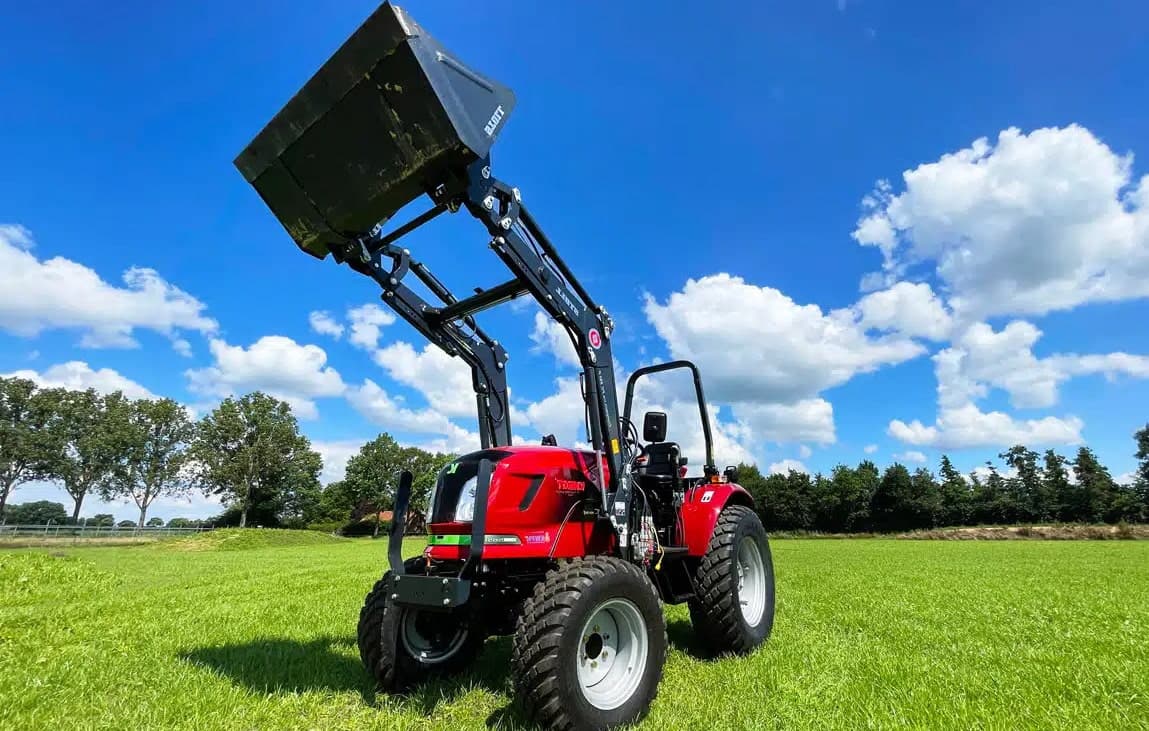
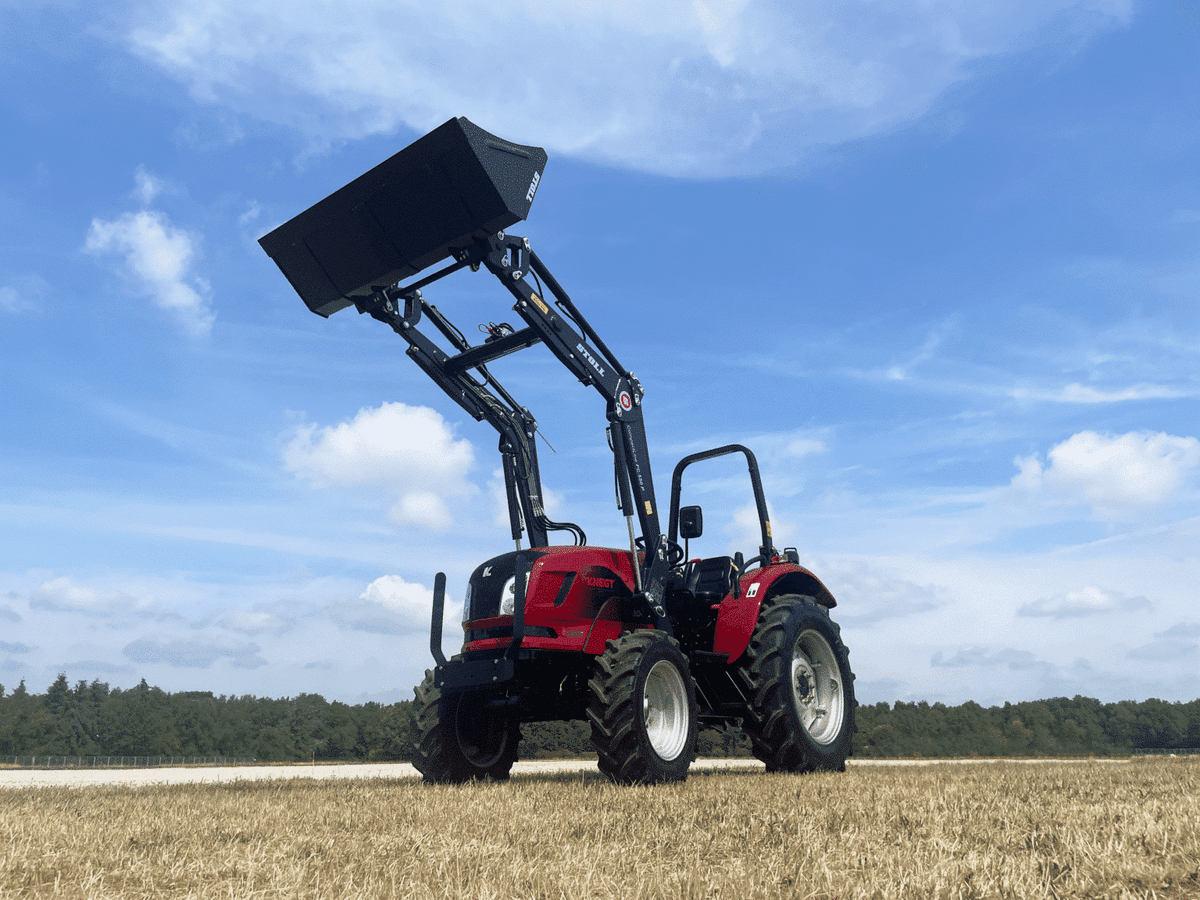
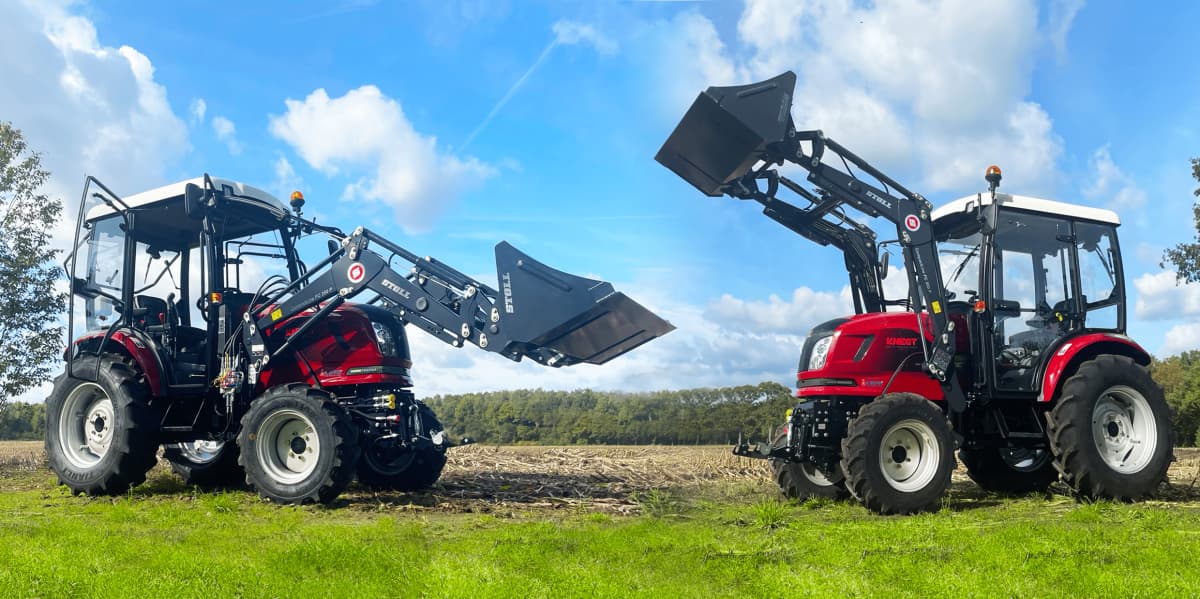
- Front loader: a loader arm with a high lift height for lifting, loading and moving, for example with a bucket, pallet fork or bale spear. Knegt supplies the Stoll front loader for this.
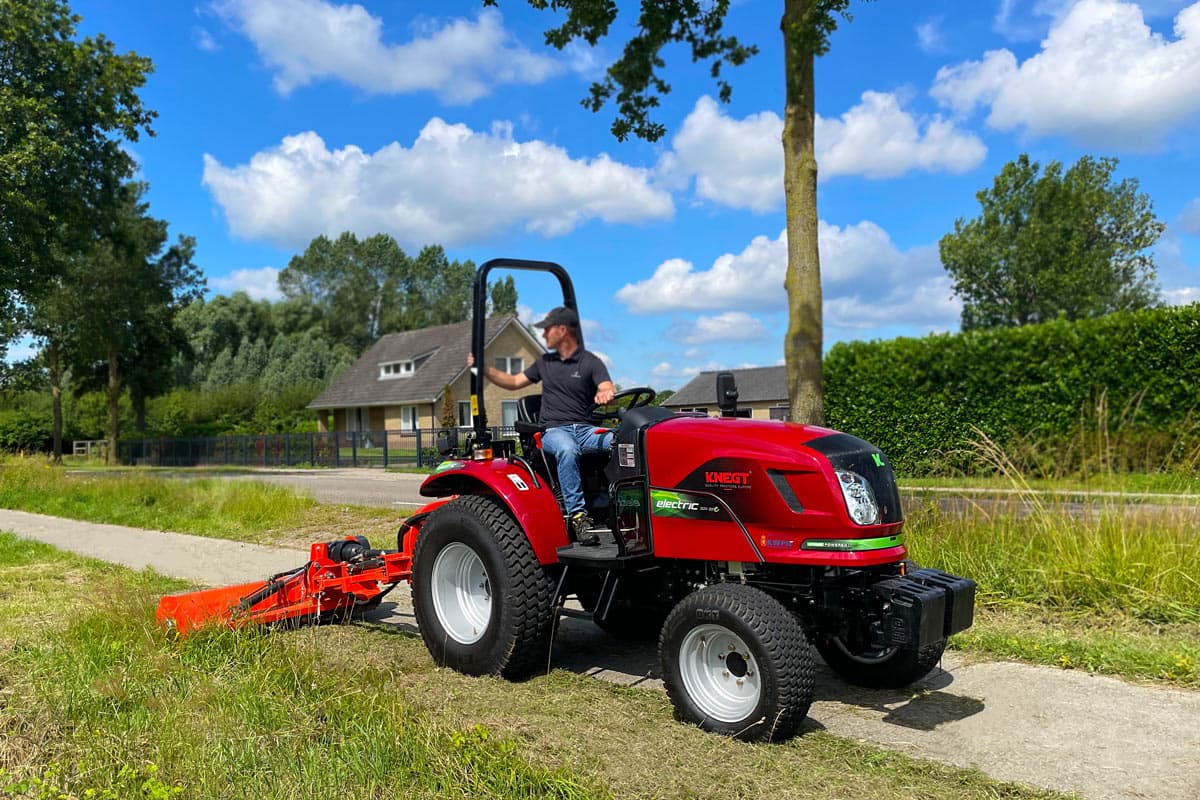
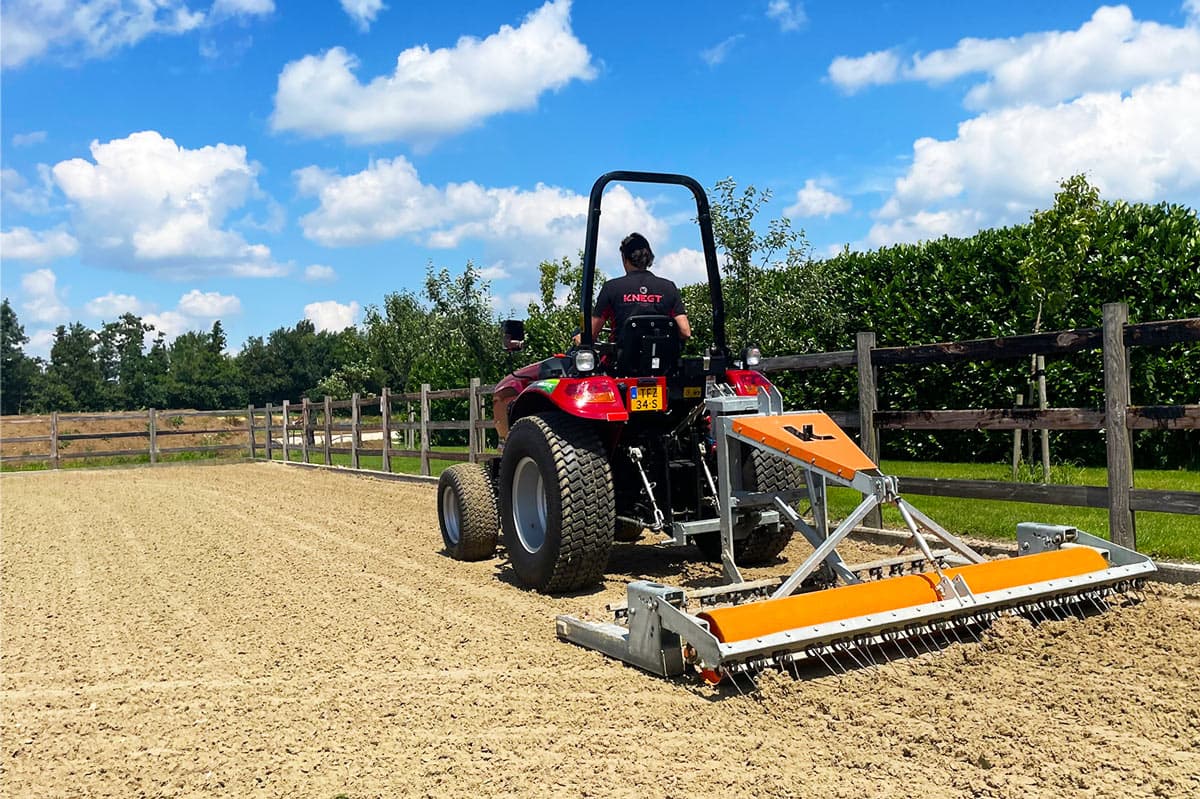
- Rear linkage (three-point hitch): the standard lifting system at the rear of the tractor for trailed and mounted implements, driven by the rear PTO.
If most of your work is loading and lifting, a front loader is the obvious choice. If you want to sweep, push, mow or combine two implements, a front linkage makes more sense. Whether a front linkage and front loader can be used together on your tractor depends on the configuration; your dealer will advise you.
What to check when choosing a front linkage
Run through these points before you buy a front linkage:
- Implements: list the implements you want to use at the front and check that they have a category 1 connection.
- Drive: if an implement needs its own drive, choose a front linkage with a PTO.
- Hydraulic functions: if you want to adjust an implement from the seat, choose a version with a third function.
- Weight and balance: consider the weight of the implement relative to the lifting capacity and the weight distribution of the tractor.
- Road use: an implement on the front changes the dimensions and your view. Ask your dealer what is required if you drive on public roads with a front implement.
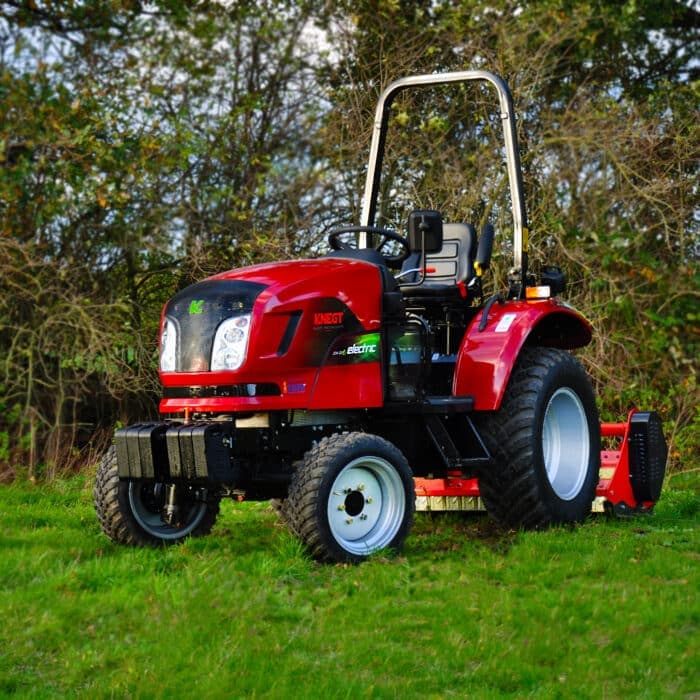
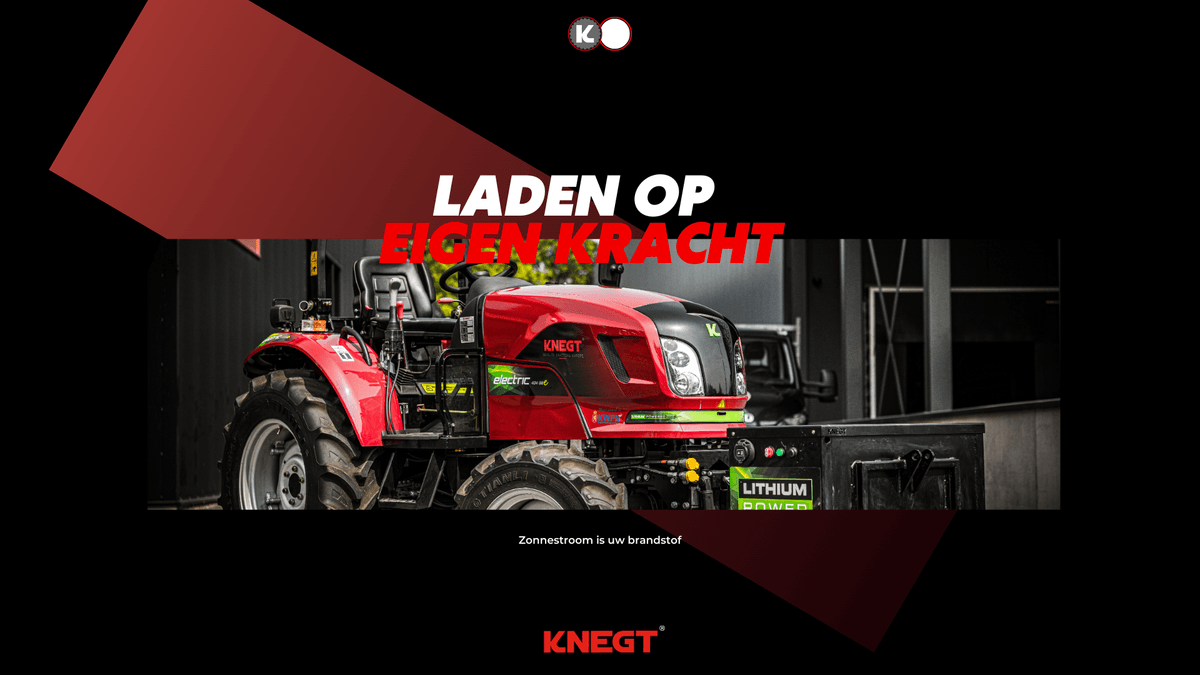
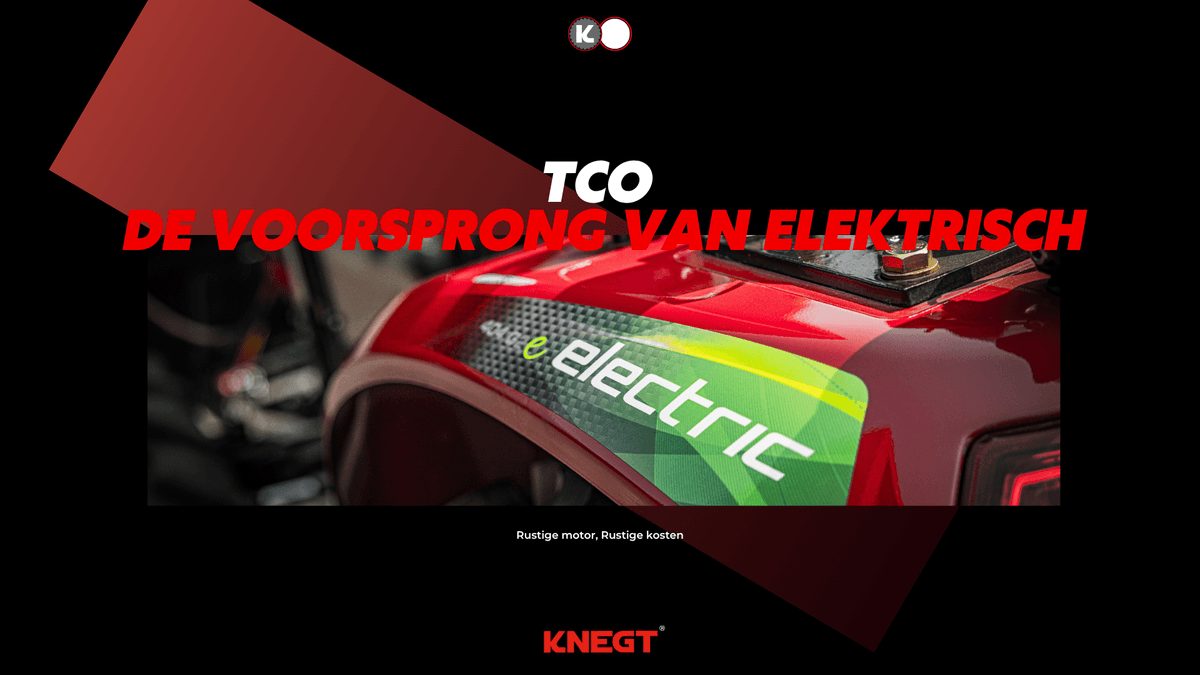
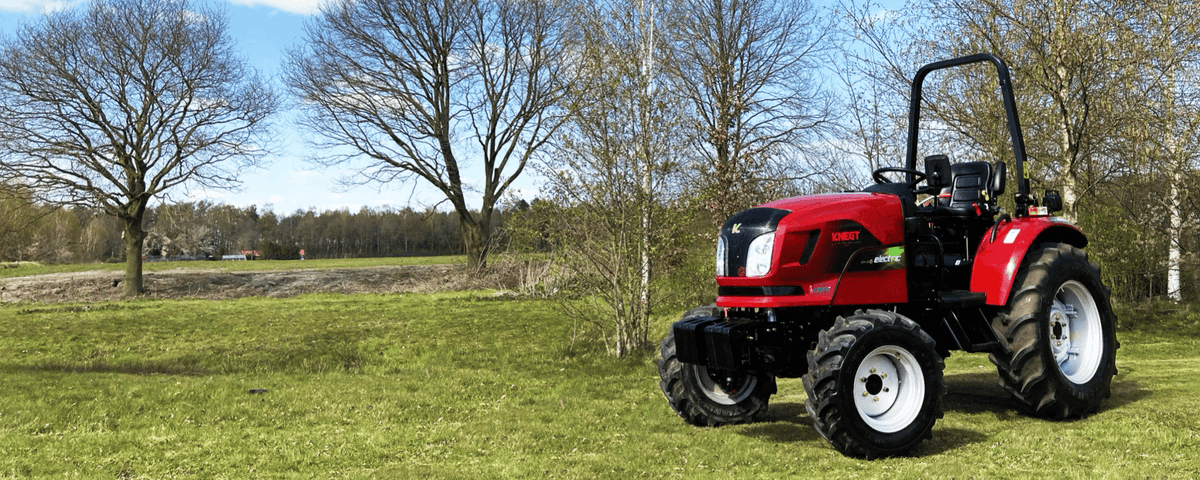
If you work with an electric Knegt compact tractor, you benefit from the separate motors for driving and hydraulics on the 304G2E, 404G2E and 504G3E. Hydraulic power stays available for the linkage and implements, even while you drive. You also work quietly and without exhaust fumes, which is pleasant when sweeping and pushing around stables, buildings and people.
Frequently asked questions
What is the difference between a front linkage and a front loader?
A front linkage is a short lifting system for mounted implements such as sweepers, blades and mowers. A front loader is a loader arm for lifting and loading, for example with a bucket or pallet fork.
Do I need a front PTO?
Only if you use implements that need to be driven, such as a sweeper brush or mower. A blade or front weight does not need a PTO.
Does the Zuidberg front linkage fit every Knegt tractor?
The front linkage is an accessory for Knegt tractors, but the right version depends on the model and the implements you use. Your dealer will check which combination fits.
How much does a front linkage cost?
The price depends on the version and options such as a PTO and third function. Request a quote for an up-to-date price for your situation.
Advice on a front linkage for your tractor
Would you like to know whether a front linkage suits your work and your Knegt tractor? Request a free demo and see the tractor with implements at work on your own site. Prefer to talk first? Book an advice session, request a quote or find a Knegt dealer near you.