Mower for a compact tractor: which type suits you?
The short answer
Which mower you need for your compact tractor mainly depends on what should happen to the clippings. If you want to chop up rough growth, verges or thin branches and leave them on the ground, choose a flail mower. If you want to keep a pasture tidy after grazing, a pasture topper is the logical choice. If you want to cut grass cleanly, for example for hay or silage, a rotary mower is the better fit.
Then match the mower to your tractor: working width, required power, linkage category, PTO and hydraulics all have to fit together.
Three types of tractor mowers
A tractor mower usually means an implement that hangs behind or beside the tractor and is driven by the PTO. There are three main types:
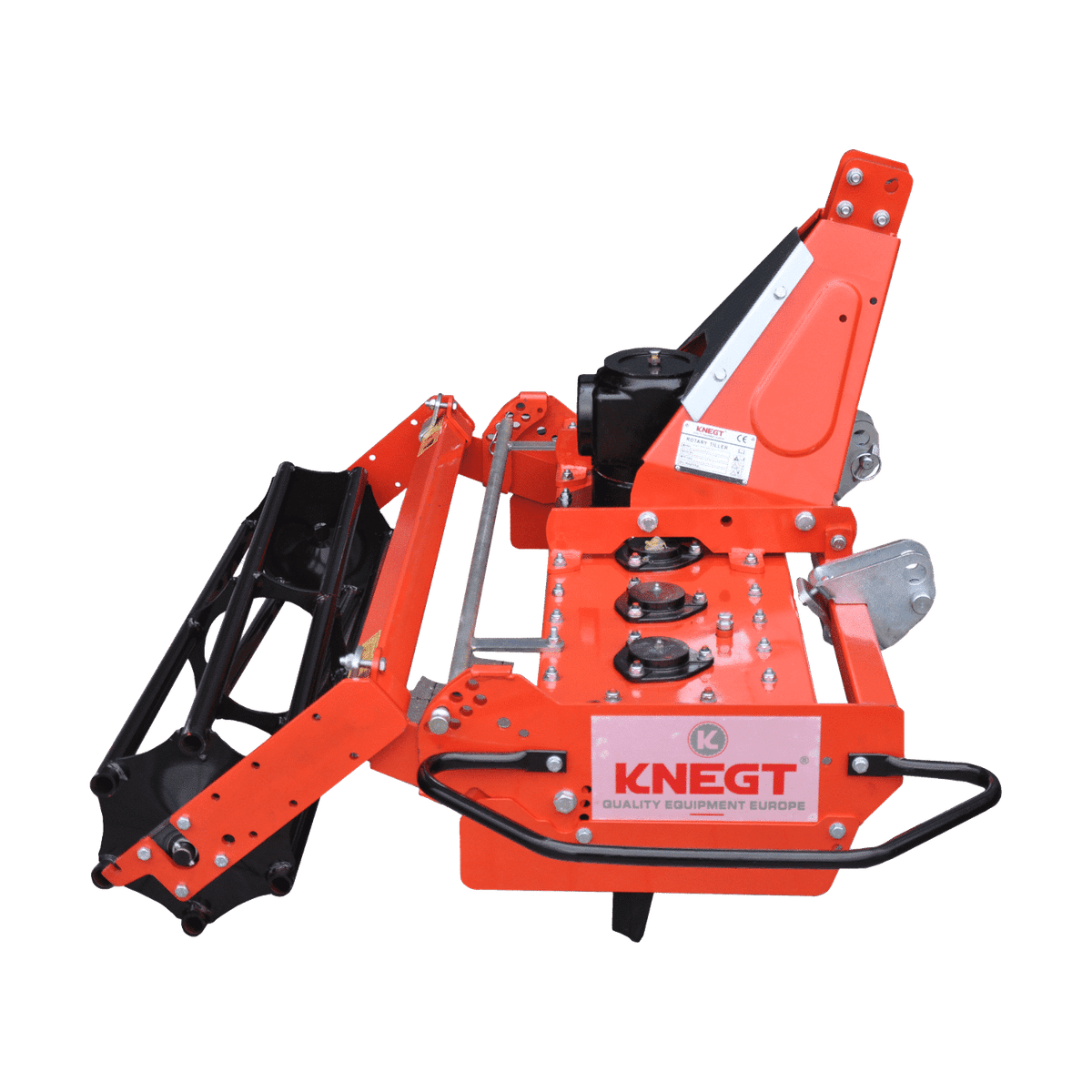
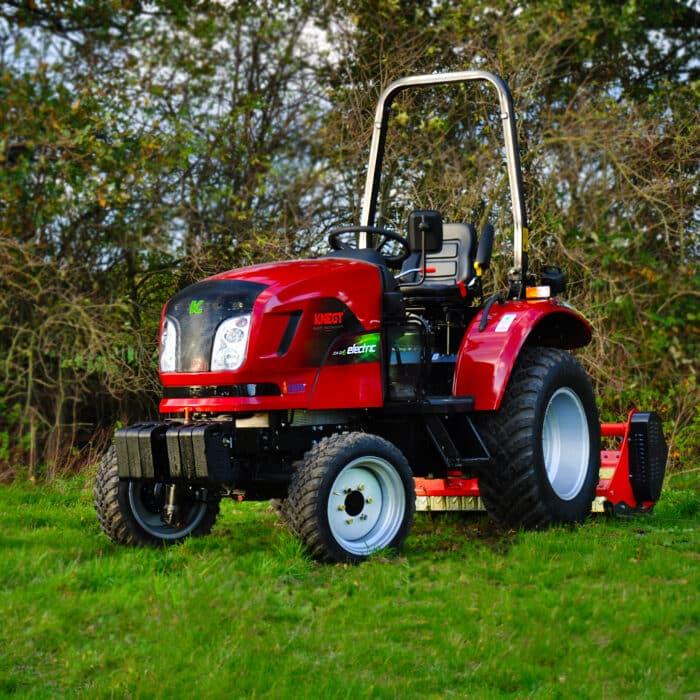
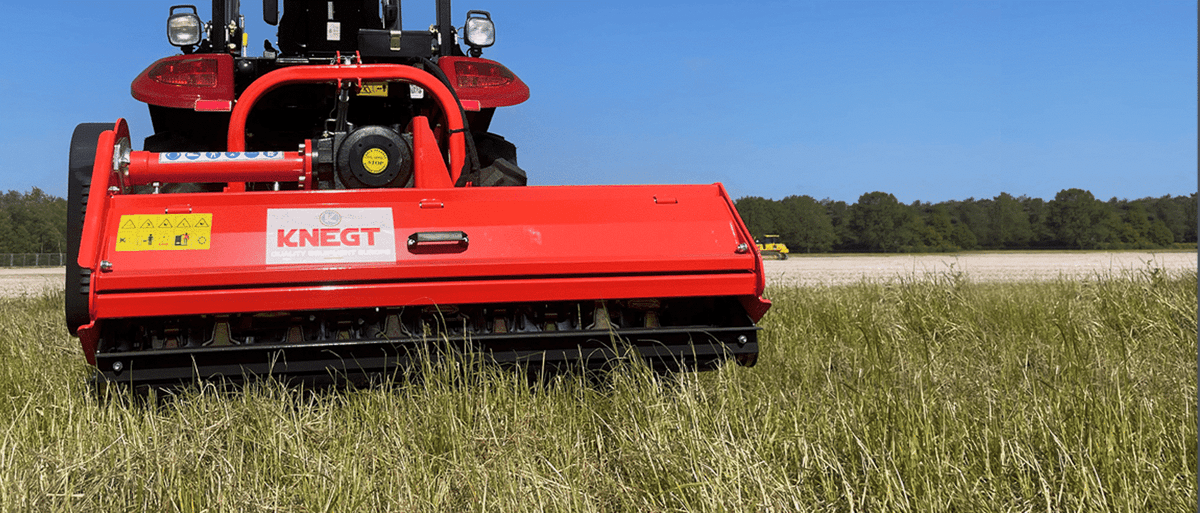
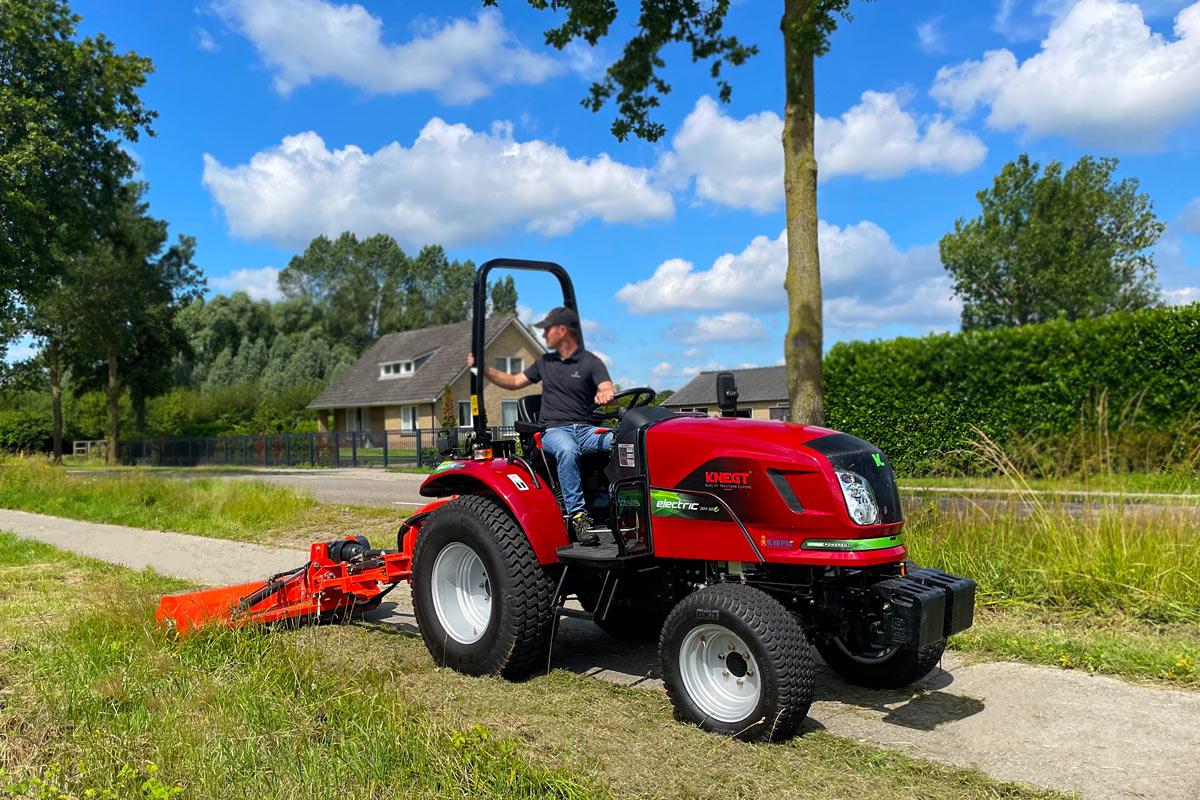
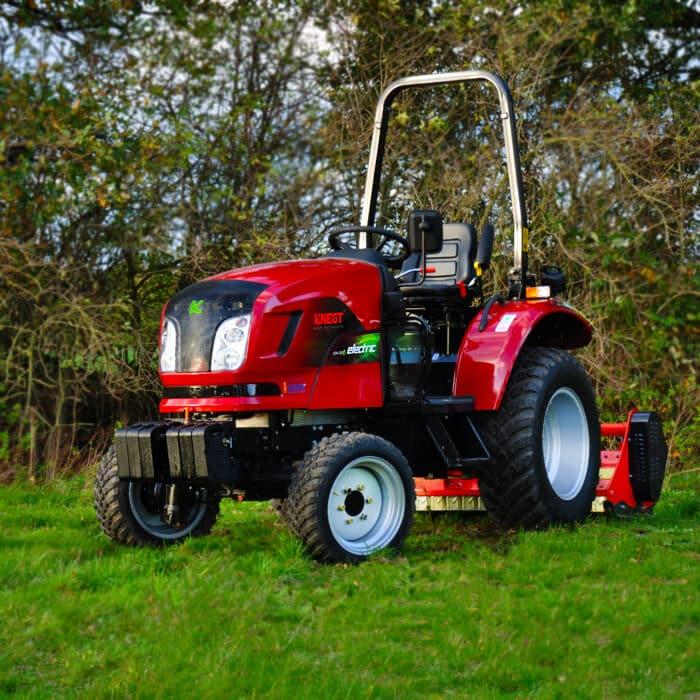
- Flail mower: a rotating shaft with flails across the full working width. It cuts the vegetation and chops it up in one pass (mulching), leaving it as a fine layer on the field. Suitable for tall and coarse growth, rough areas, verges and thin branches.
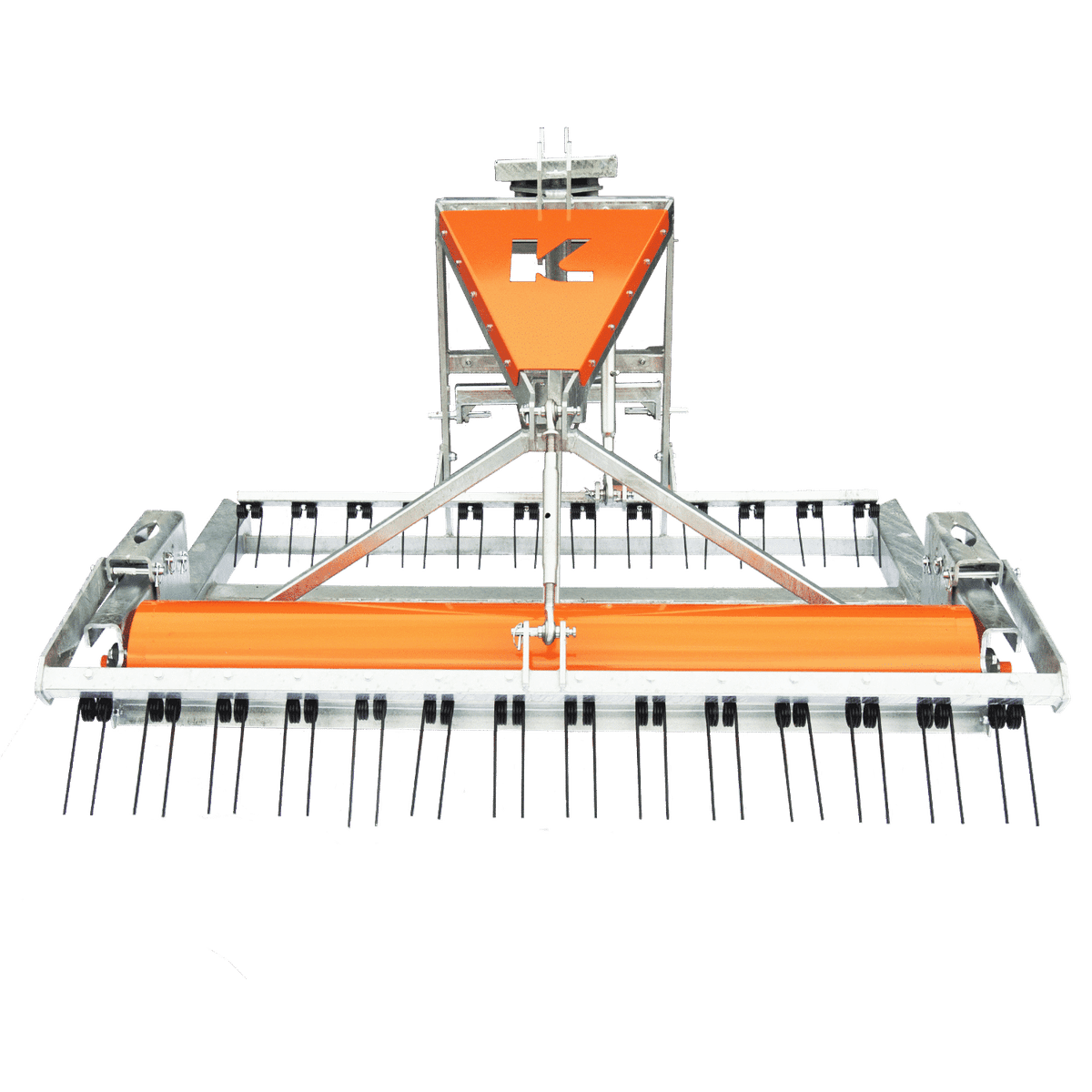
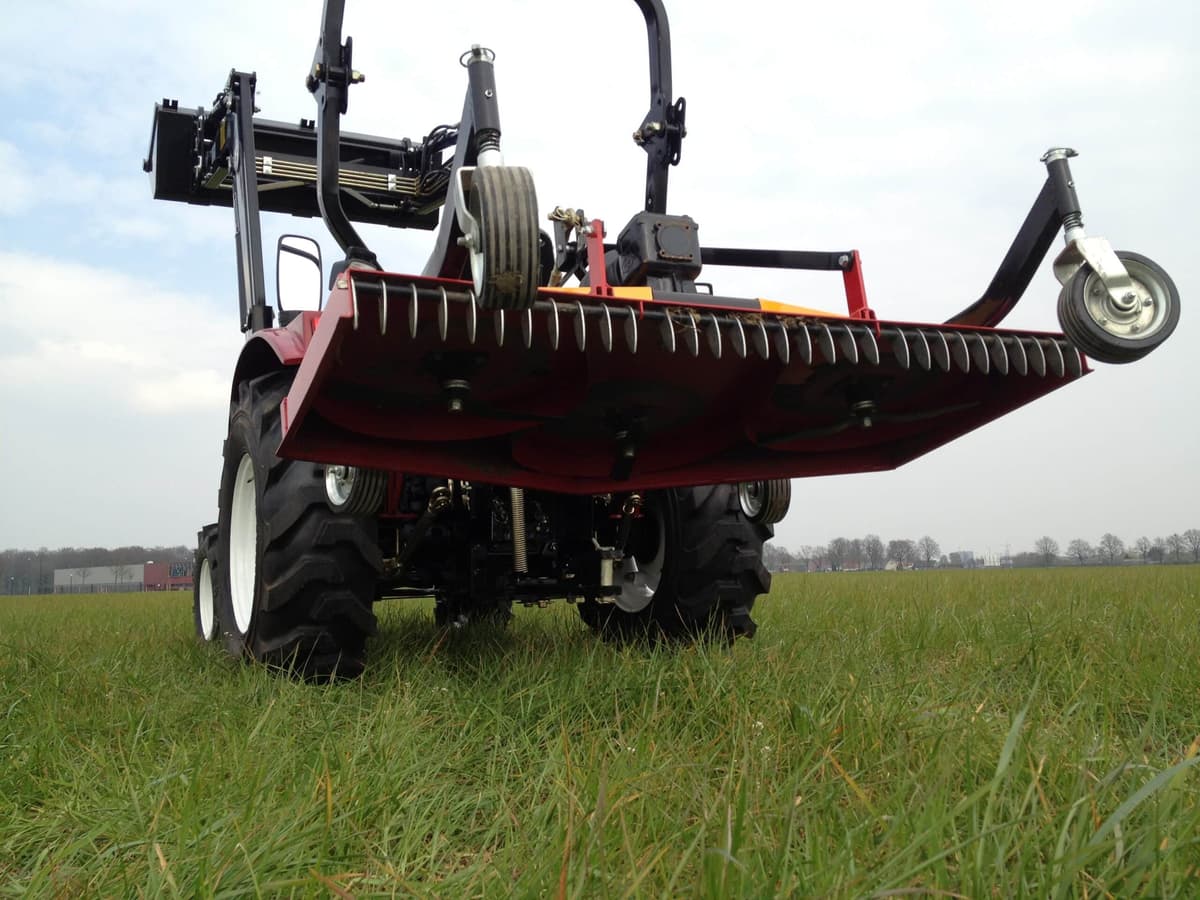
- Pasture topper: a mower with a few rotating blades that cut the vegetation and discharge it at the rear. Designed to keep pastures tidy after grazing: tussocks, thistles and seed heads gone, the sward intact.
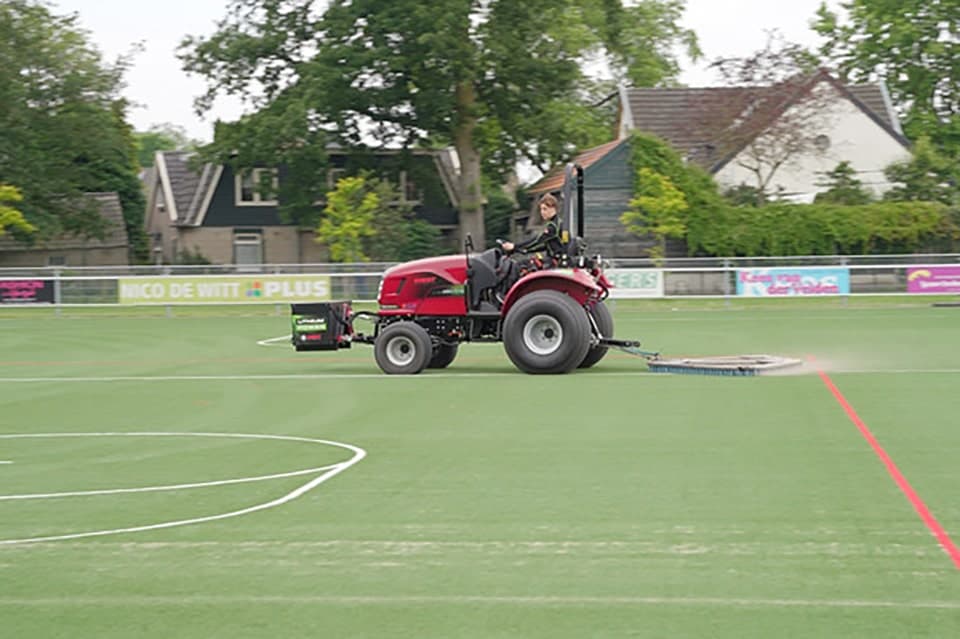
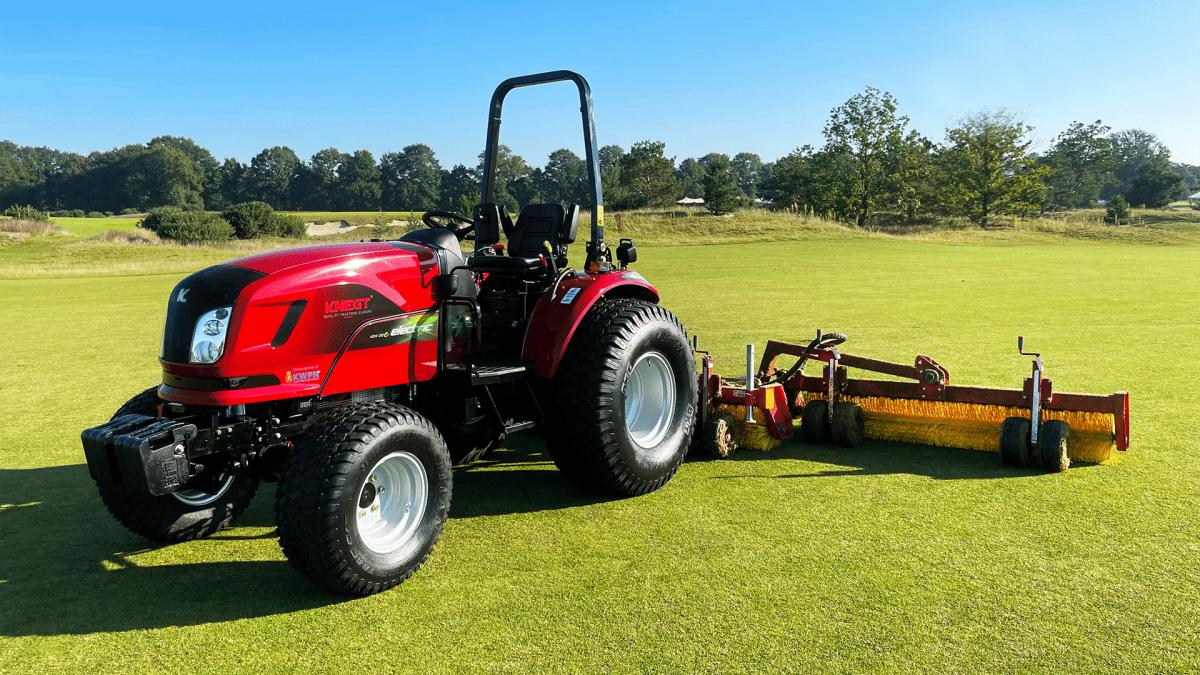
- Rotary mower: a mower with fast, horizontally spinning blades on discs or drums. It cuts grass cleanly without chopping it up. Rotary mowers are used on grassland for hay and silage, and also for maintaining sports fields.
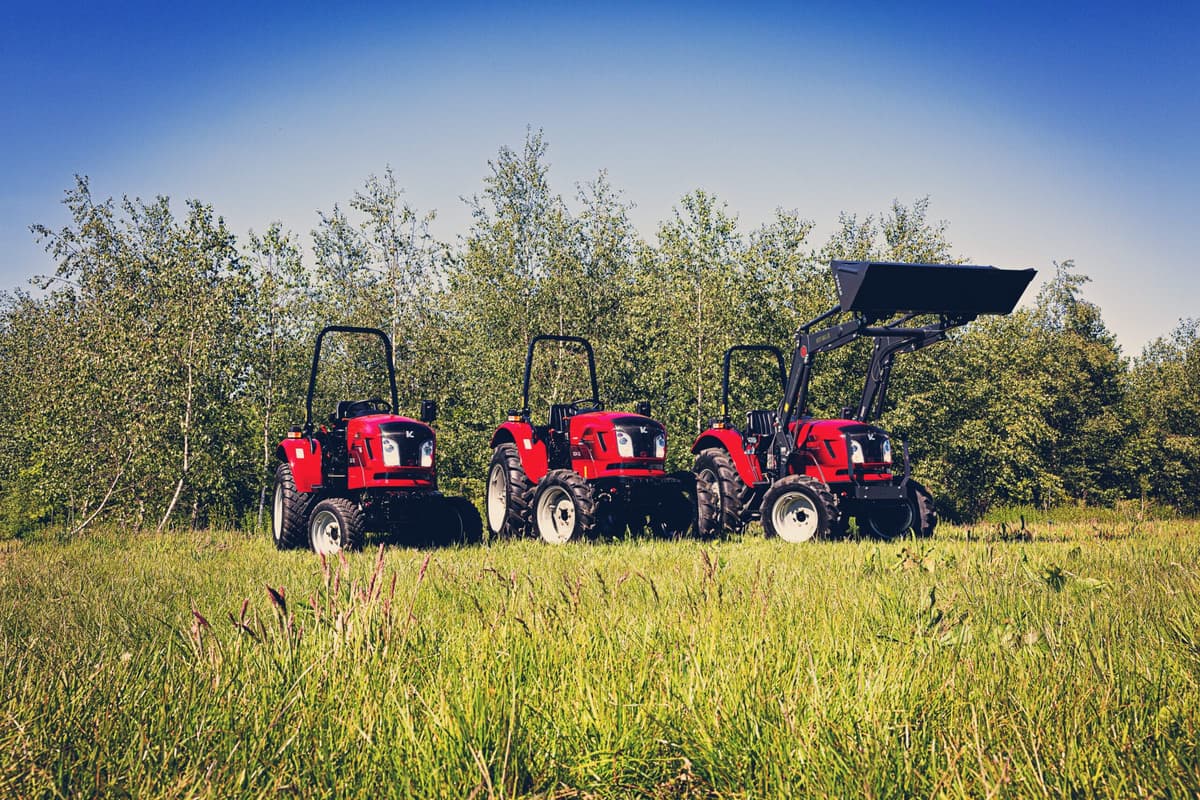
The Knegt implement range includes flail mowers in three versions (standard, side shift and offset) and pasture toppers in three working widths. They are built for maintenance mowing; for harvesting grass, discuss the right solution with your dealer.
Flail mower or rotary mower: the differences
Flail mower or rotary mower is a common question, but the two machines do different jobs. The main differences:
- Clippings: a flail mower chops the vegetation finely and spreads it. A rotary mower cuts it and leaves the stalks largely intact.
- Vegetation: a flail mower can handle tall, rough growth, weeds and thin branches. A rotary mower is made for grass.
- Purpose: with a flail mower you maintain land. With a rotary mower you cut grass that you want to remove or that needs a neat finish.
- Obstacles: the flails hang loosely on the shaft, so a flail mower copes better with a stray branch or uneven ground.
- Finish: because the clippings stay finely spread, you usually don't need to rake or remove anything after flail mowing.
A pasture topper sits somewhere in between. It is meant for pastures where only the leftovers after grazing need to go, but it spreads the clippings less finely than a flail mower and is not designed for prunings.
Which mower suits your land?
The type of land largely determines which mower you need:
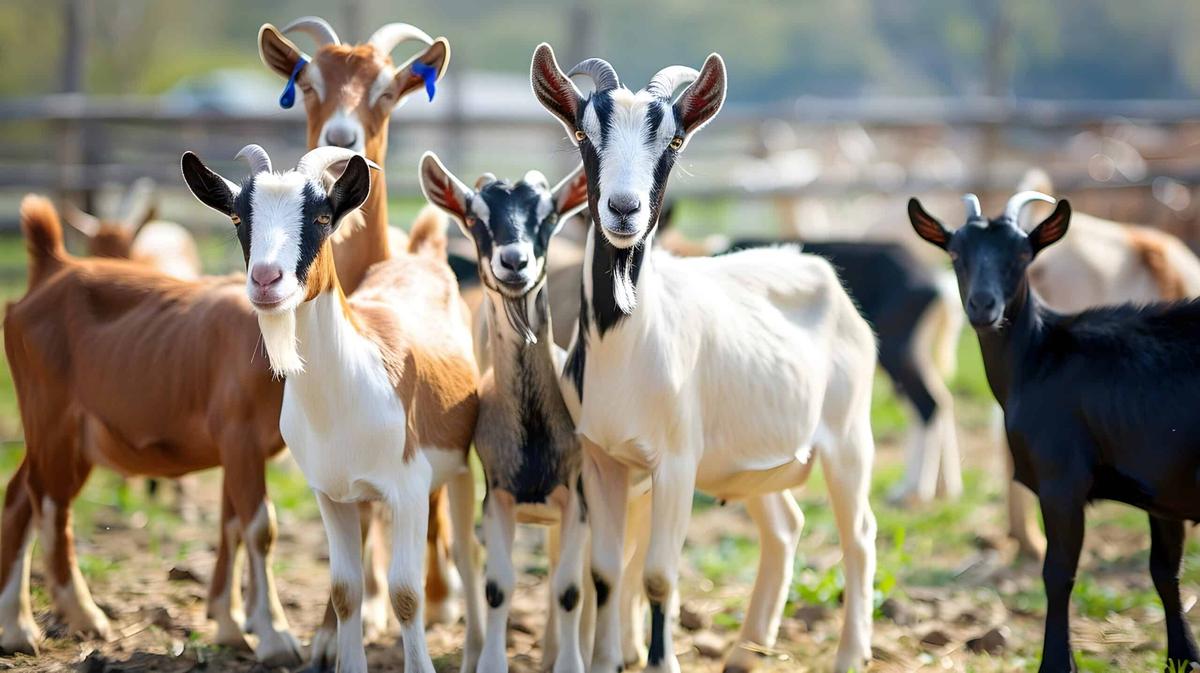
- Horse or sheep pasture: a pasture topper to tidy up after grazing. With lots of nettles, rough growth or saplings, a flail mower is more suitable.
- Rough ground, nature areas and yards: a standard flail mower that cuts straight behind the tractor.
- Orchards, nurseries or along fences: a side shift flail mower that moves sideways hydraulically, so you can also mow under plants and fencing.
- Ditch banks, slopes and hedges: an offset flail mower on a hydraulic arm that can tilt.
- Grassland for hay or silage, and sports fields: a rotary mower, because it cuts the grass cleanly.
If you work on different types of land, you can combine two mowers, for example a pasture topper for the paddocks and a flail mower for edges and rough areas. Both attach to the three-point linkage.
Matching mower and tractor in 5 steps
A mower only works well if it suits the tractor that carries and drives it. Check these points:
- Working width: Knegt flail mowers range from 125 to 220 cm, the pasture toppers come in 120, 150 and 180 cm. Choose a width that covers your tractor's wheel tracks; a narrower mower is more manoeuvrable between trees and fences.
- Power: every mower has a stated power requirement. The WB120 and WB150 pasture toppers need 25 hp and the WB180 30 hp. The side shift flail mowers range from 25 hp (KMSS125 and KMSS145) to 50 hp (KMSS220).
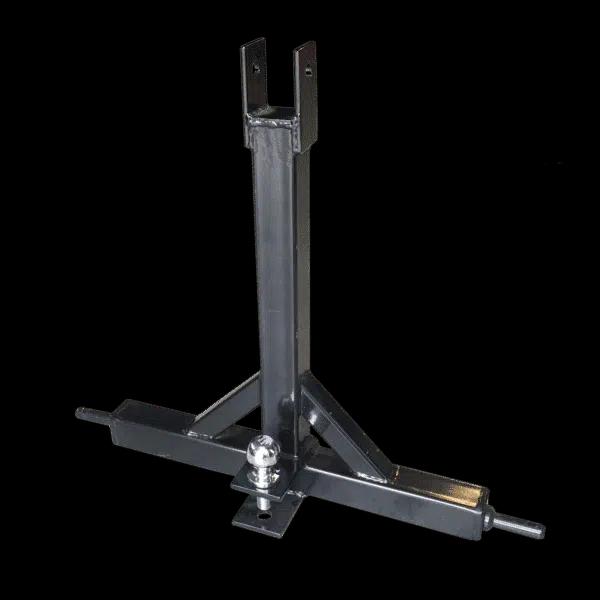
- Linkage category and weight: the pasture toppers have a category 1 three-point hitch, the Heavy Duty offset mowers category 2. A mower easily weighs a few hundred kilos and must be lifted safely.
- PTO: the pasture toppers run at 540 rpm with a freewheel. A PTO shaft is supplied as standard with Knegt pasture toppers and flail mowers.
- Hydraulics: a side shift has hydraulic lateral movement and an offset flail mower is operated via two double-acting connections. Check that your tractor has them.
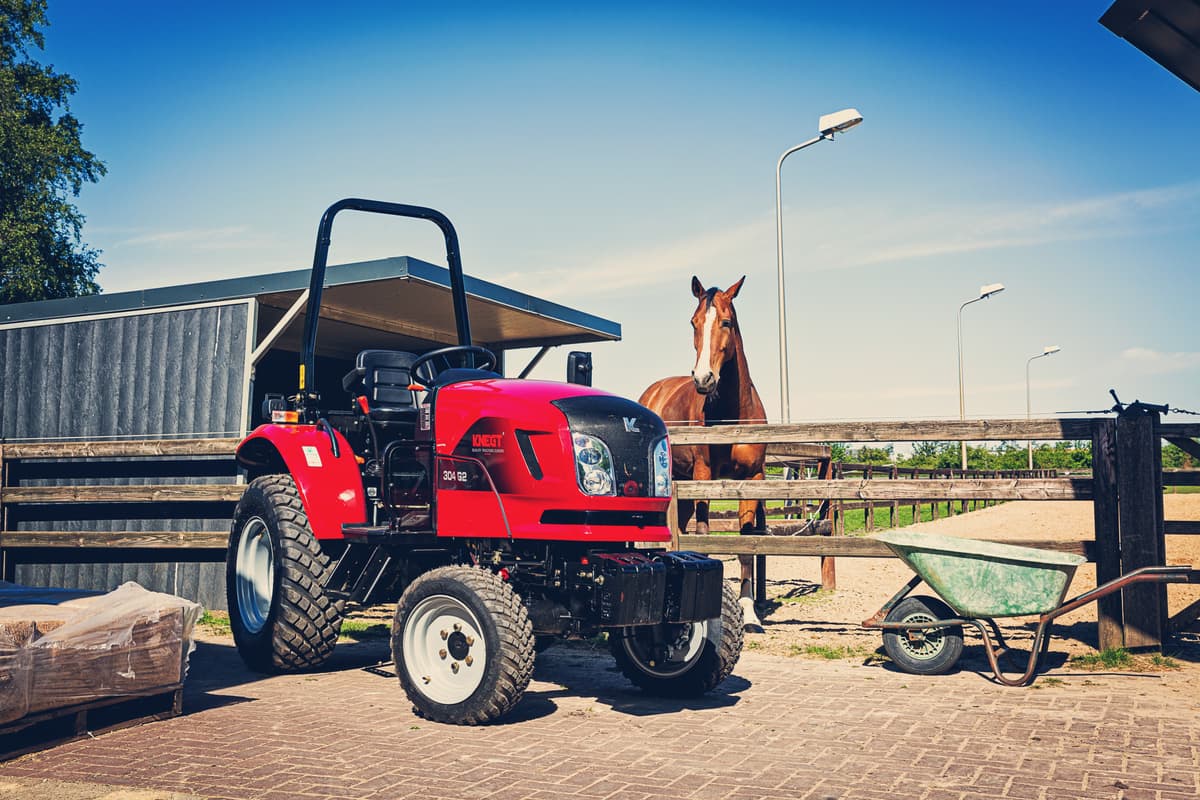
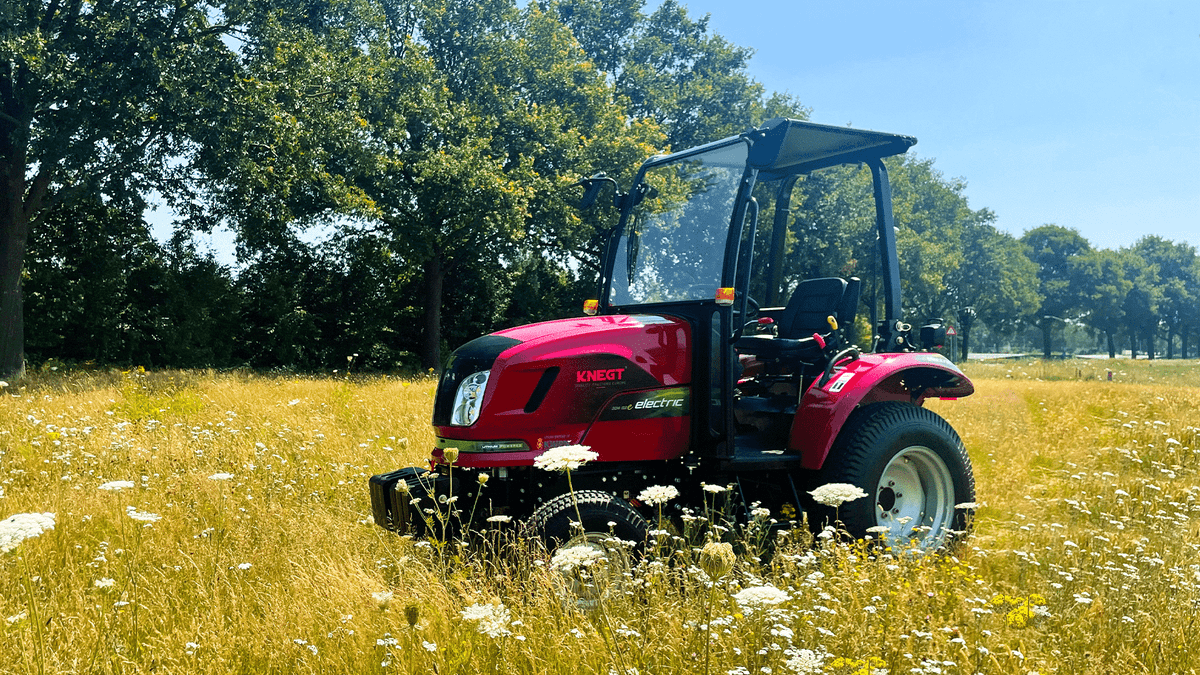
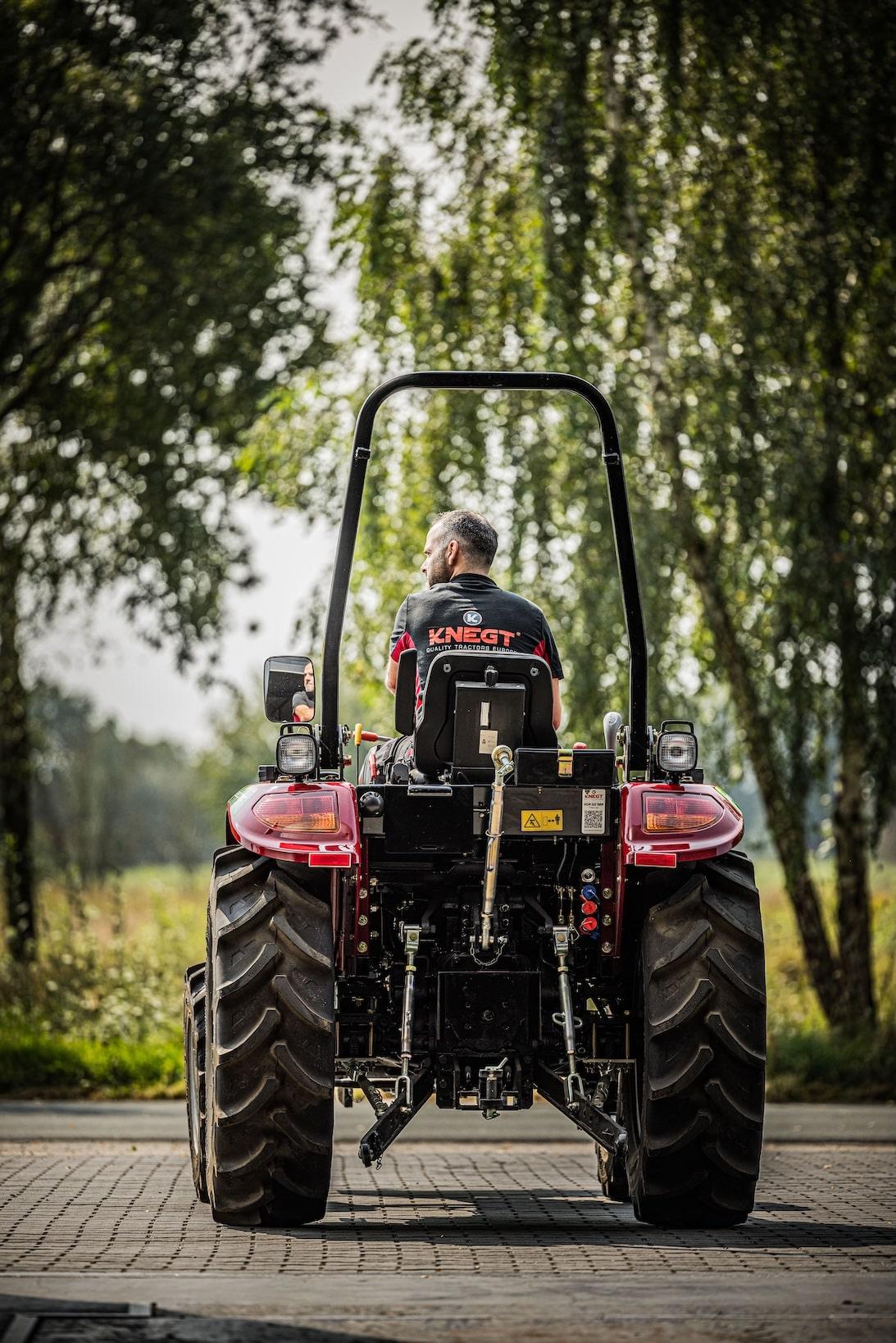
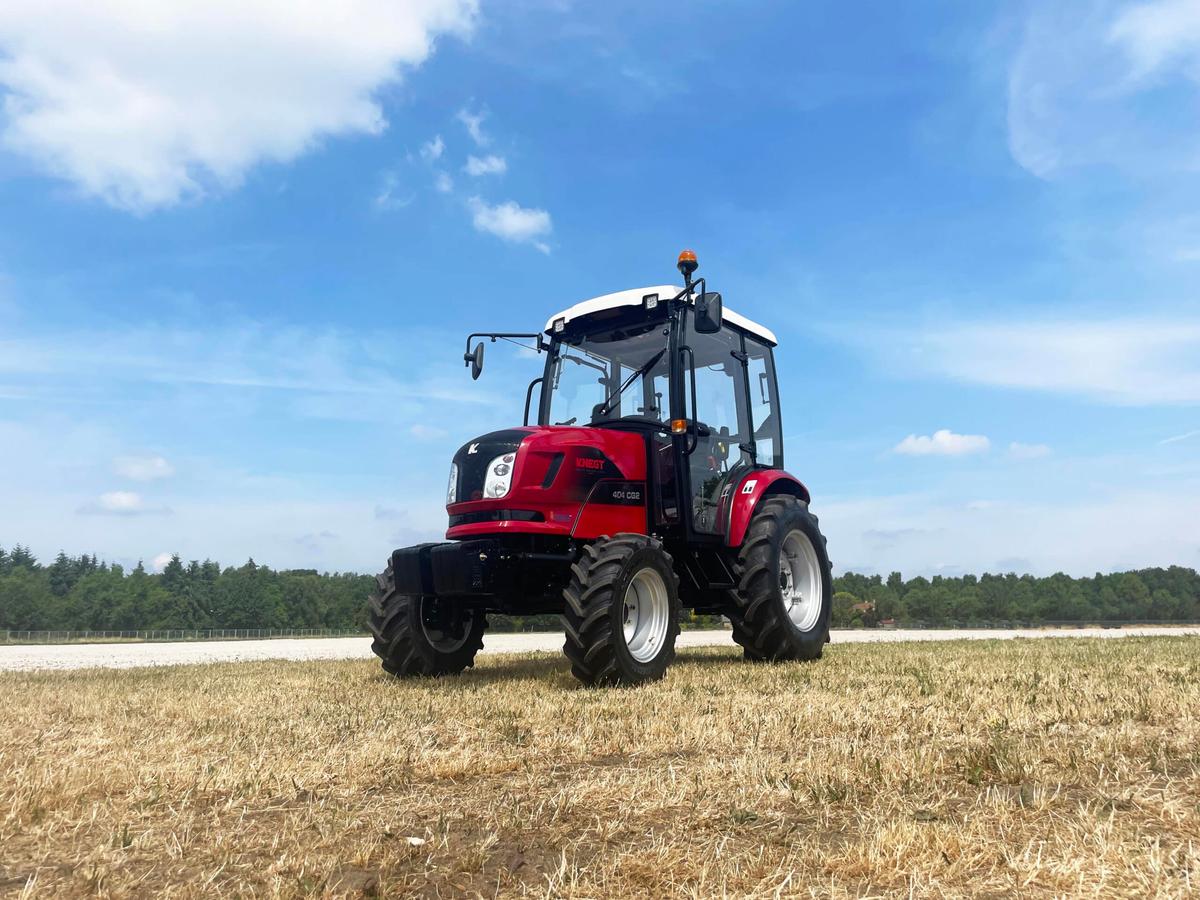
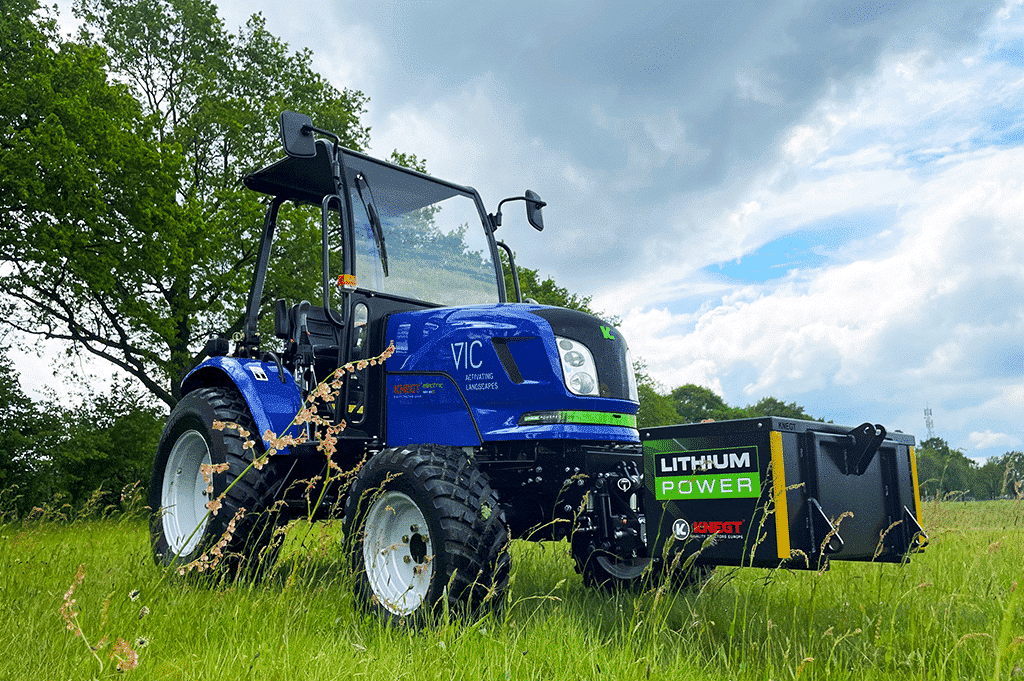
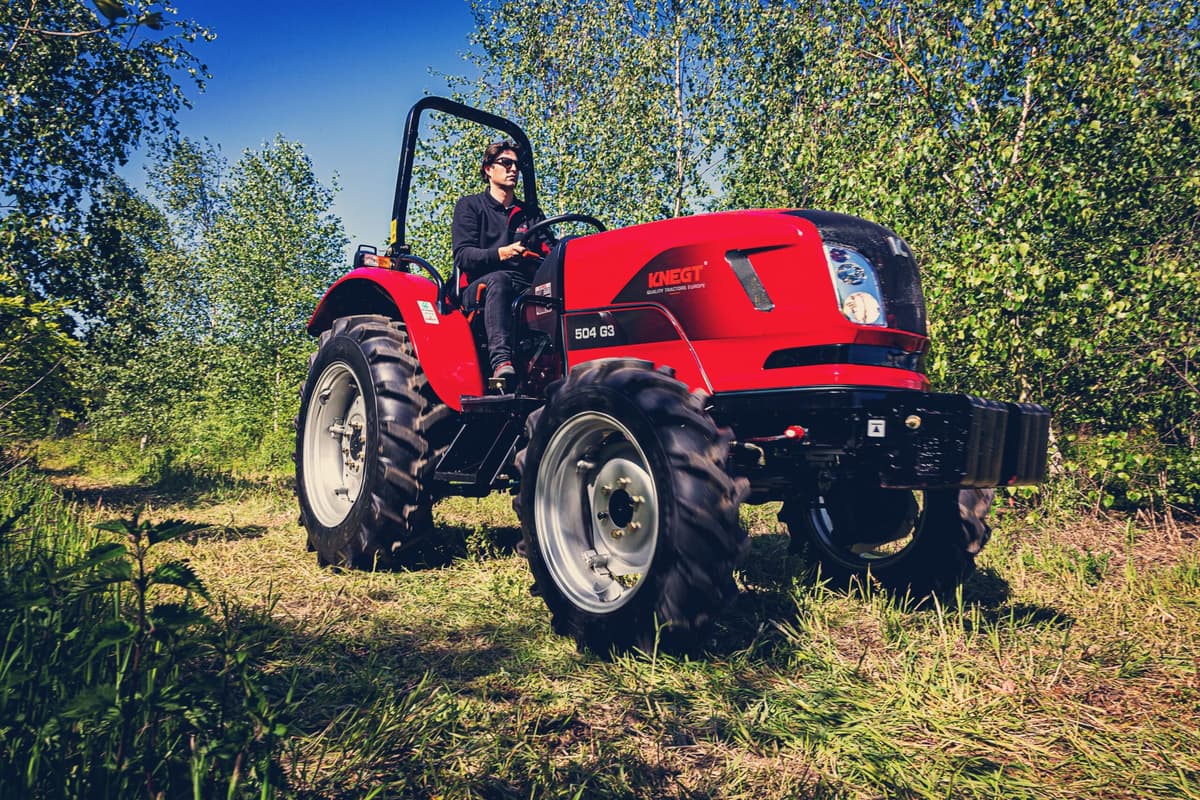
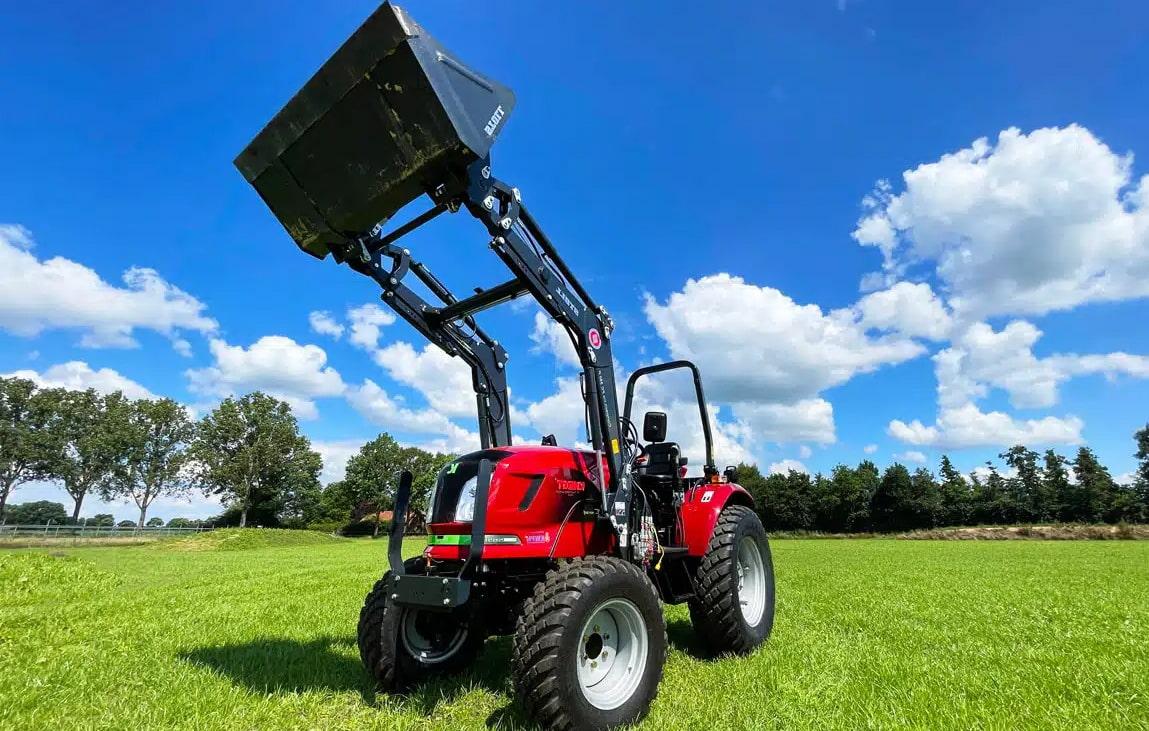
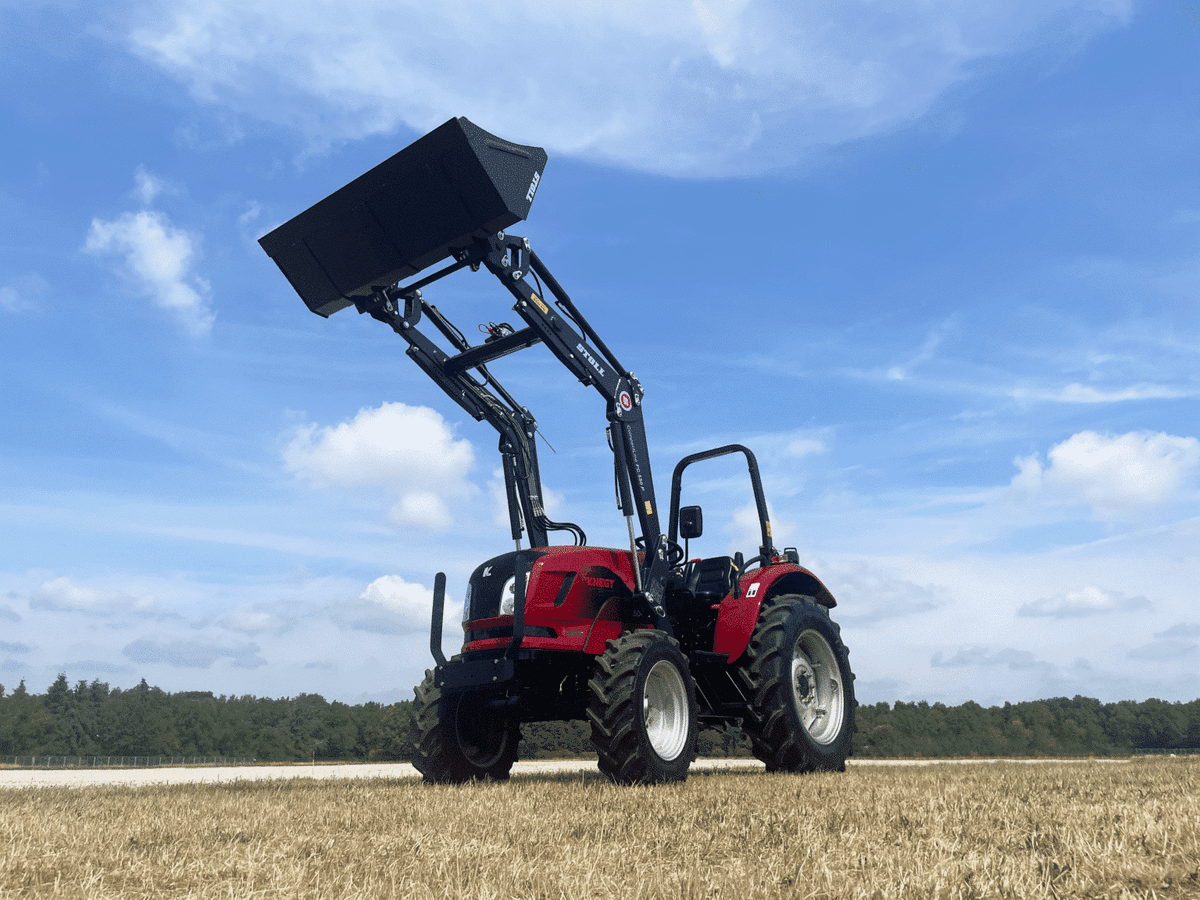
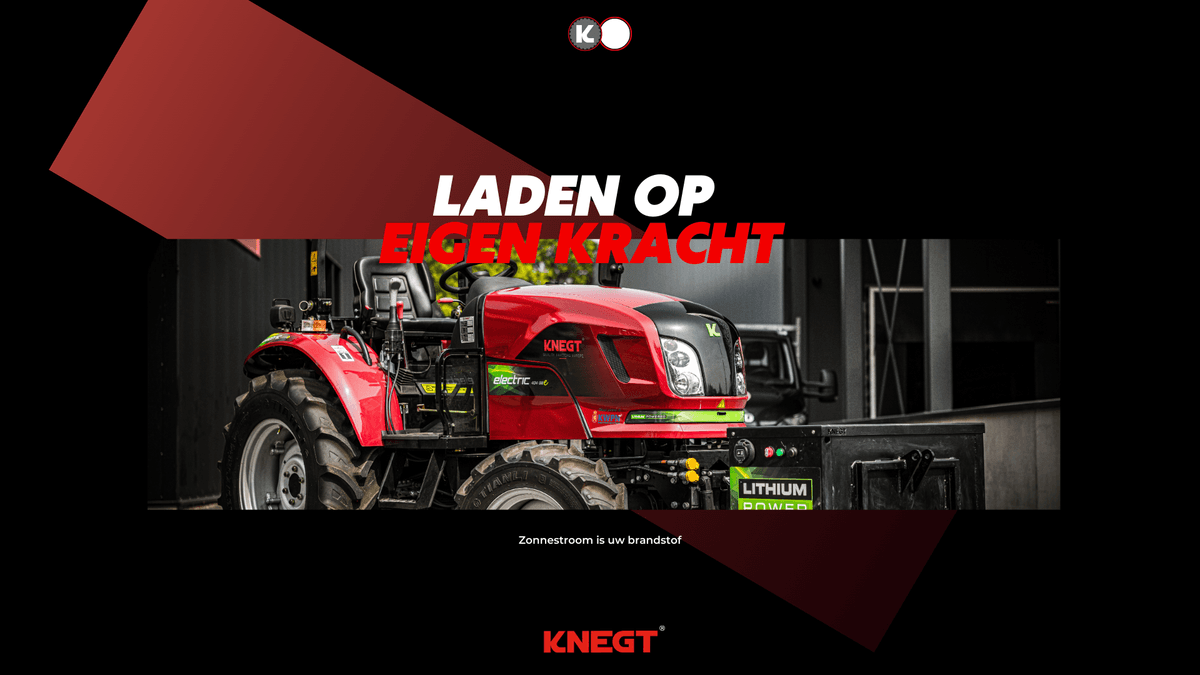
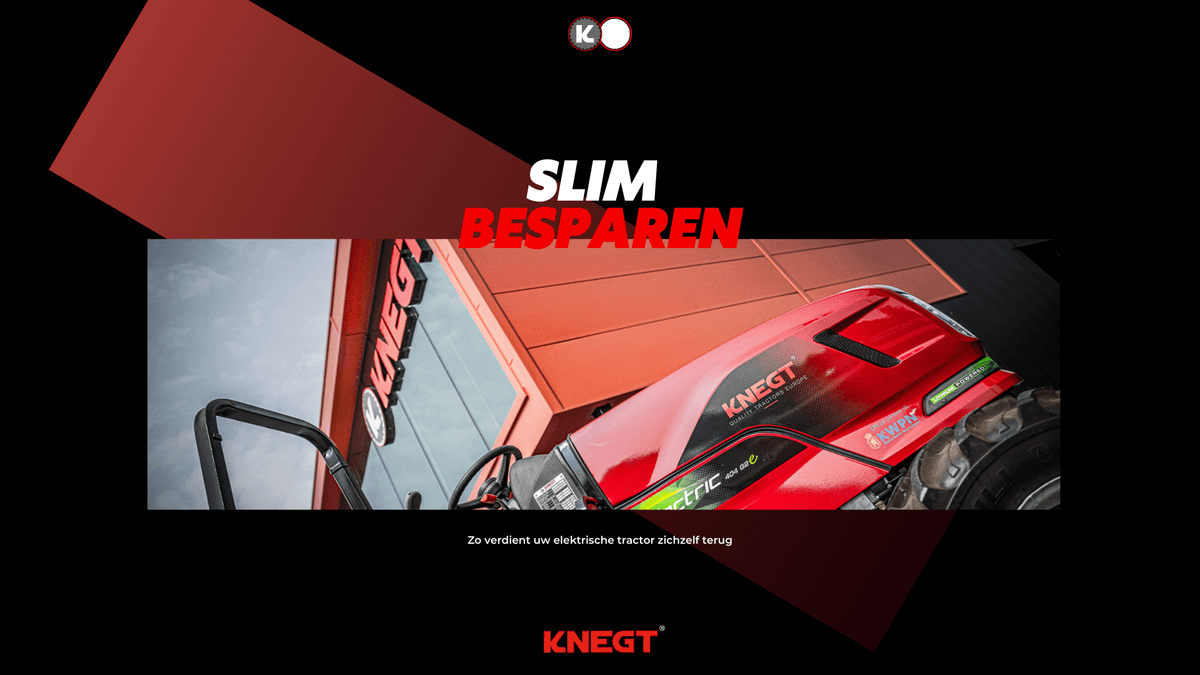
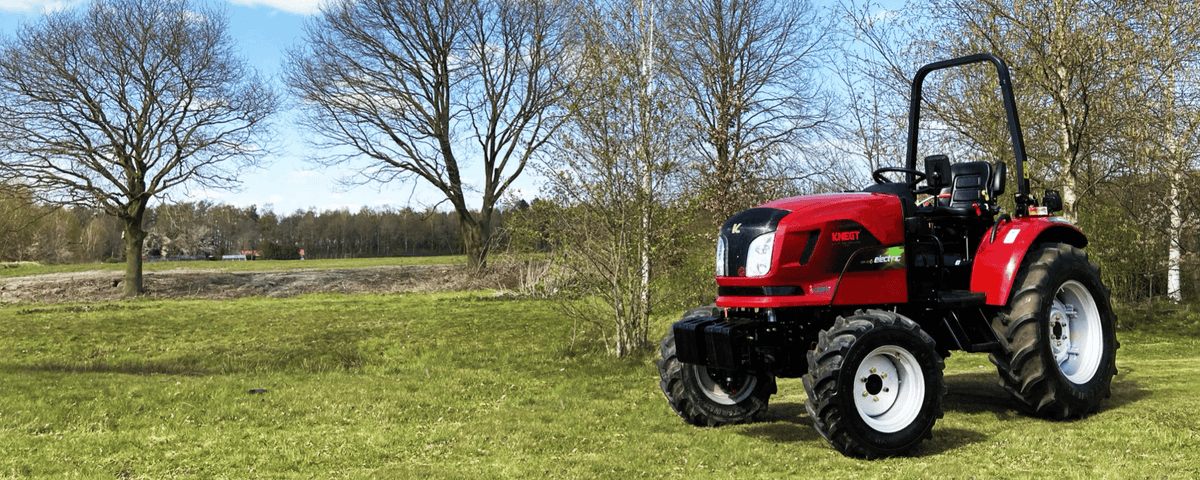
Knegt builds electric compact tractors with separate motors for driving and hydraulics: the 304G2E (30 hp drive motor and 15 hp hydraulics), the 404G2E (40 + 15 hp) and the 504G3E (50 + 15 hp). There are also diesel models: the 304G2 (25 hp), 404GT (40 hp) and 504GT (50 hp). Lift capacity and PTO speed per model are listed on the models page. Ask your dealer to confirm which mower suits your model. An electric compact tractor mows without exhaust fumes and with little noise, which is pleasant around animals, in parks and close to homes.
Frequently asked questions
What is the difference between a flail mower and a rotary mower?
A flail mower chops the vegetation finely and leaves it on the ground, and can also handle rough growth and thin branches. A rotary mower cuts grass cleanly and is used on grassland, for hay and silage and on sports fields.
Which mower is best for a horse paddock?
For tidying up after grazing, a pasture topper is the usual choice. If there is a lot of rough growth, nettles or saplings, a flail mower works better.
Can I mow a lawn with a pasture topper?
Yes. The Knegt pasture topper mows lawns, but also the coarser growth of verges and pastures.
Can an electric tractor drive a mower?
Yes, you can also use a PTO-driven mower such as a flail mower or pasture topper behind an electric Knegt. Your dealer will check which mower suits your model.
Advice on mower and tractor
Not sure which mower best suits your land and your tractor? Request a free demo and see the combination at work on your own ground. Prefer to talk first? Book an advice meeting, request a quote or find a Knegt dealer near you. Together we look at working width, power, attachment and the work you want to do.