Stage V diesel engine: what it means for your tractor
The short answer
Stage V is the strictest European emissions stage for diesel engines in non-road mobile machinery. For engines between 19 and 56 kW, it sets a particulate limit of 0.015 grams per kWh as well as a limit on the number of particles. In practice, that means an engine with a diesel particulate filter: cleaner exhaust, but slightly more attention to how you use and maintain it.
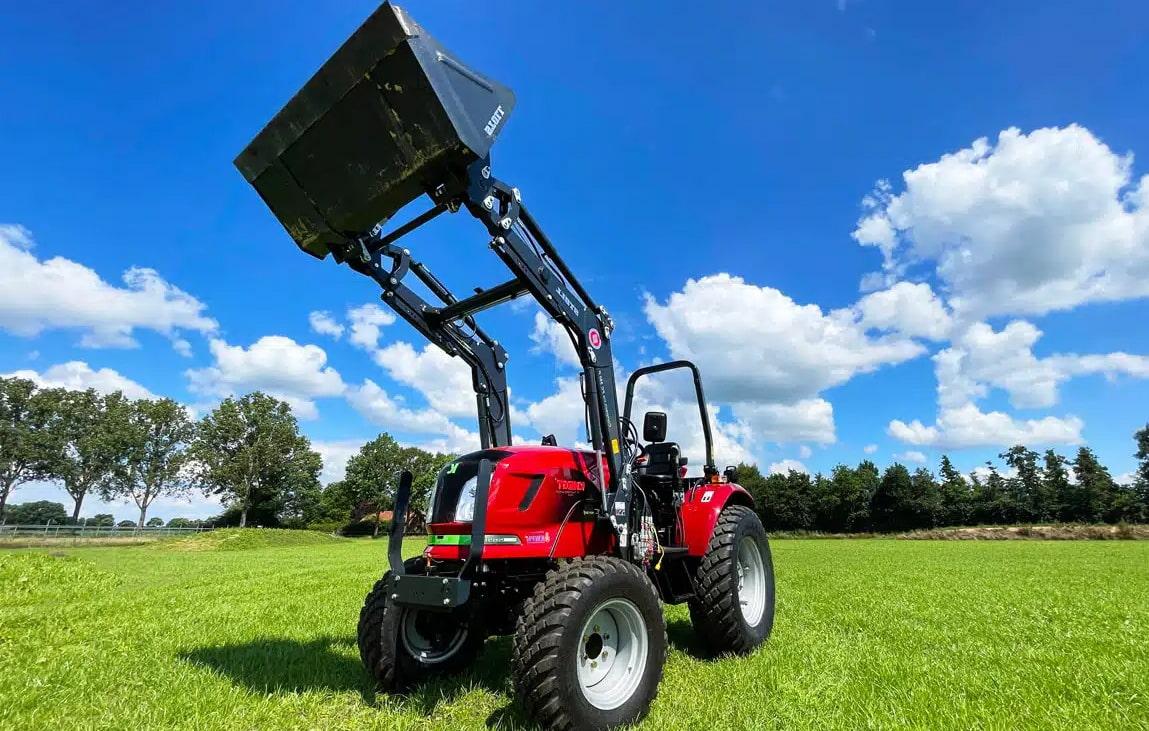
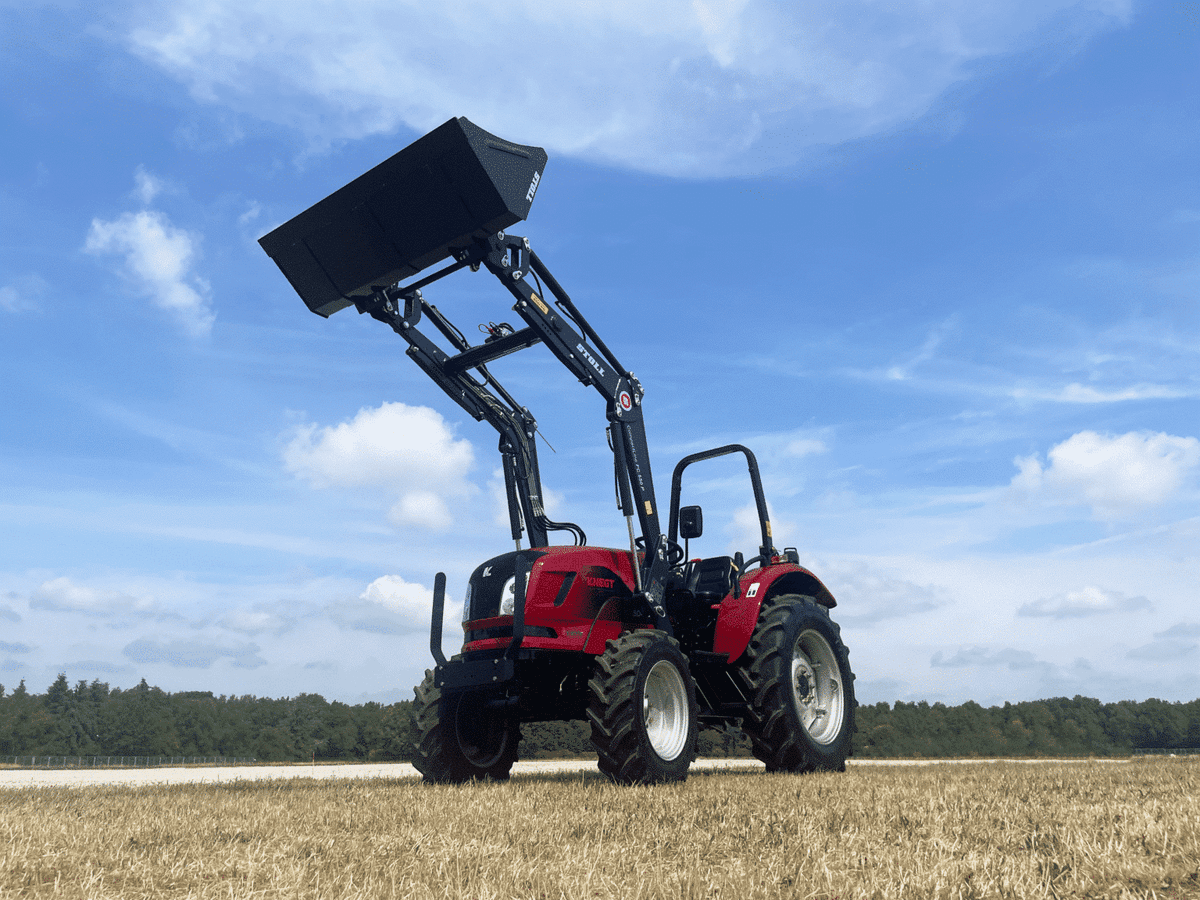
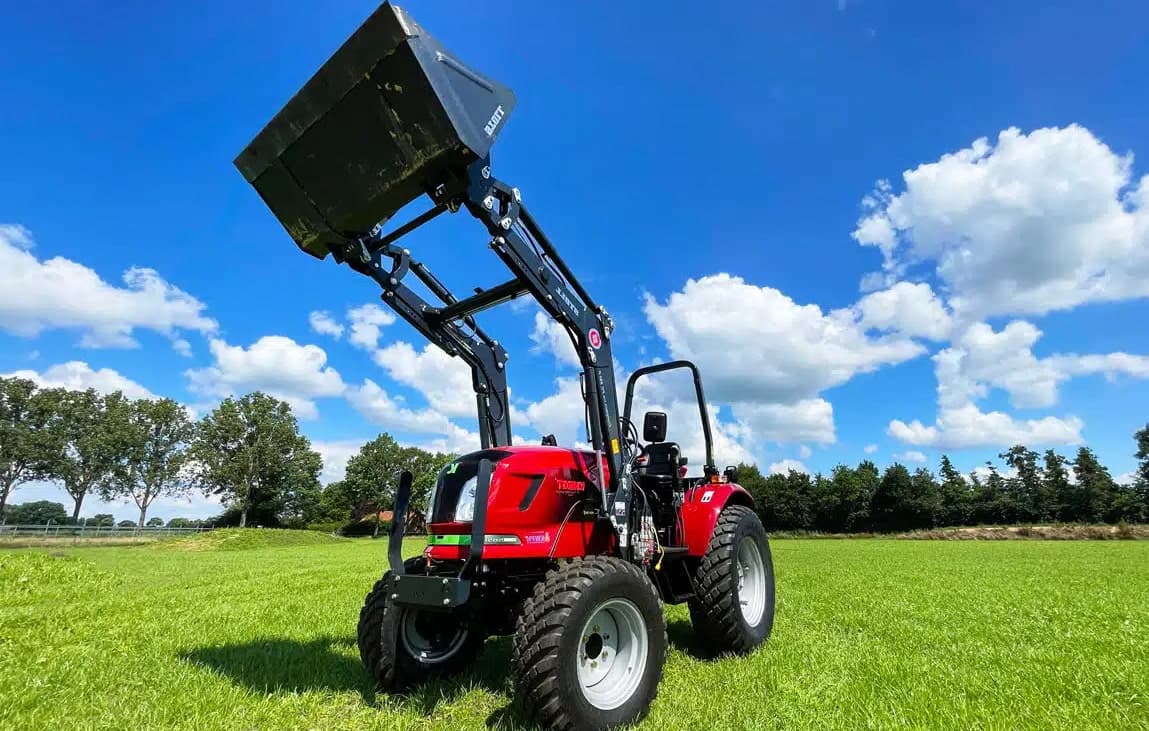
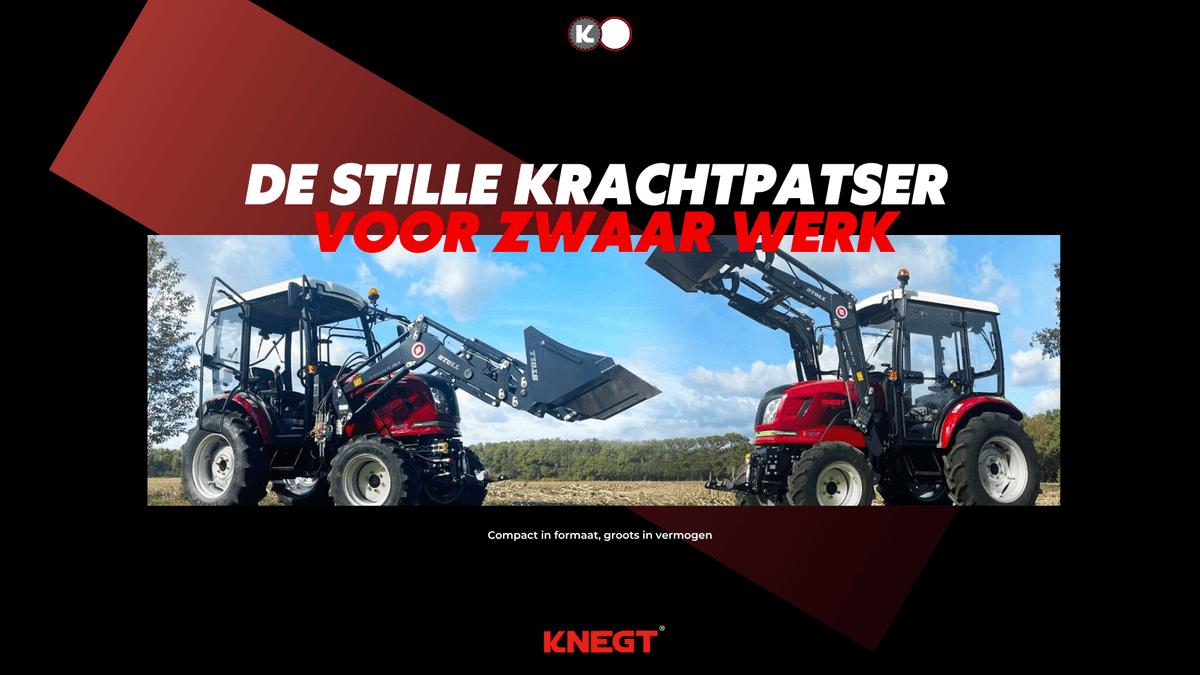
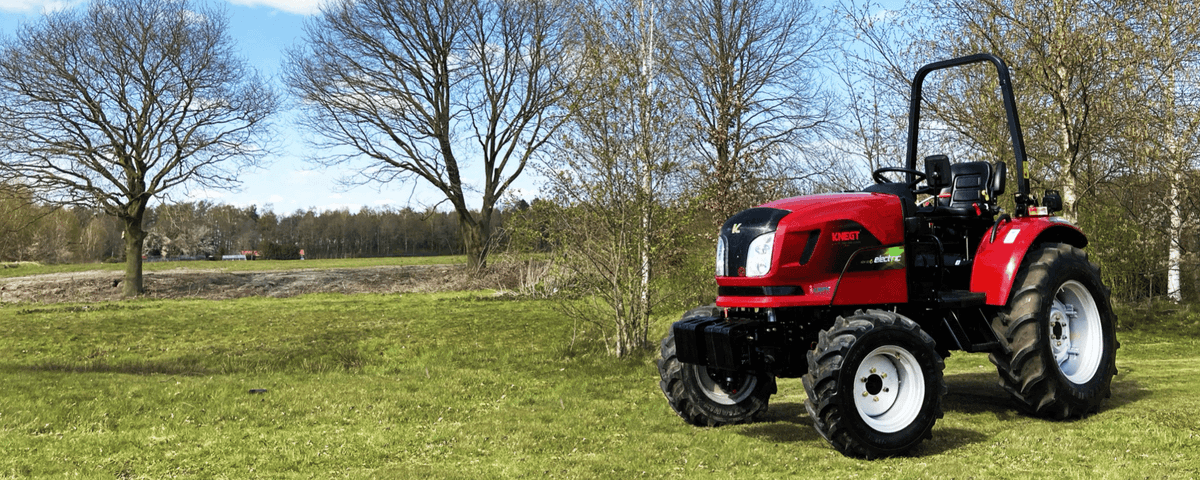
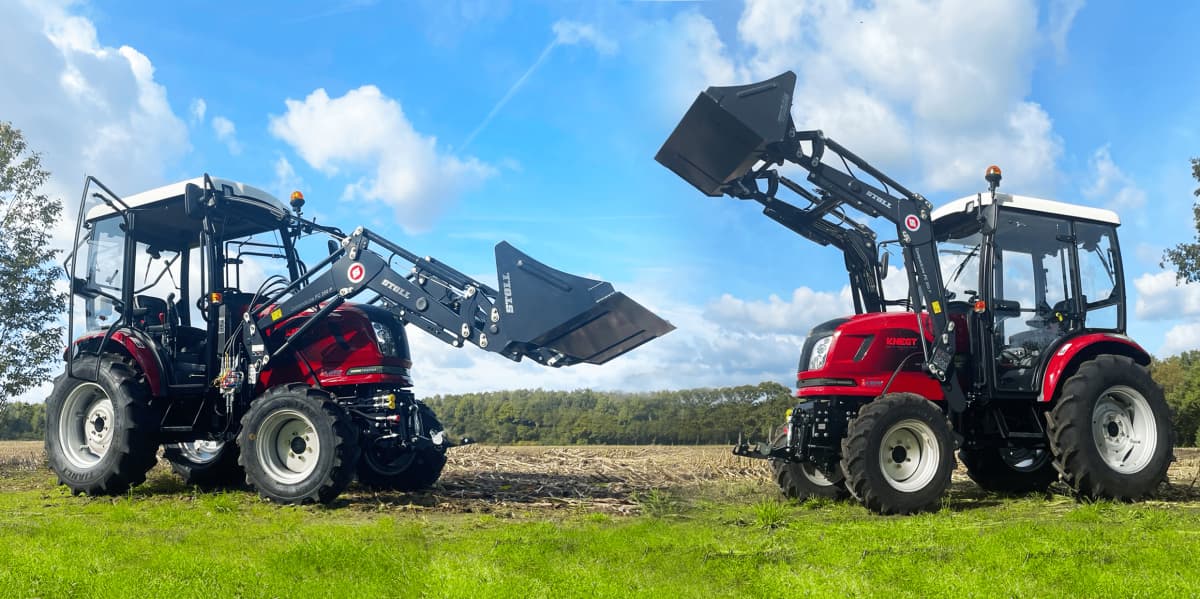
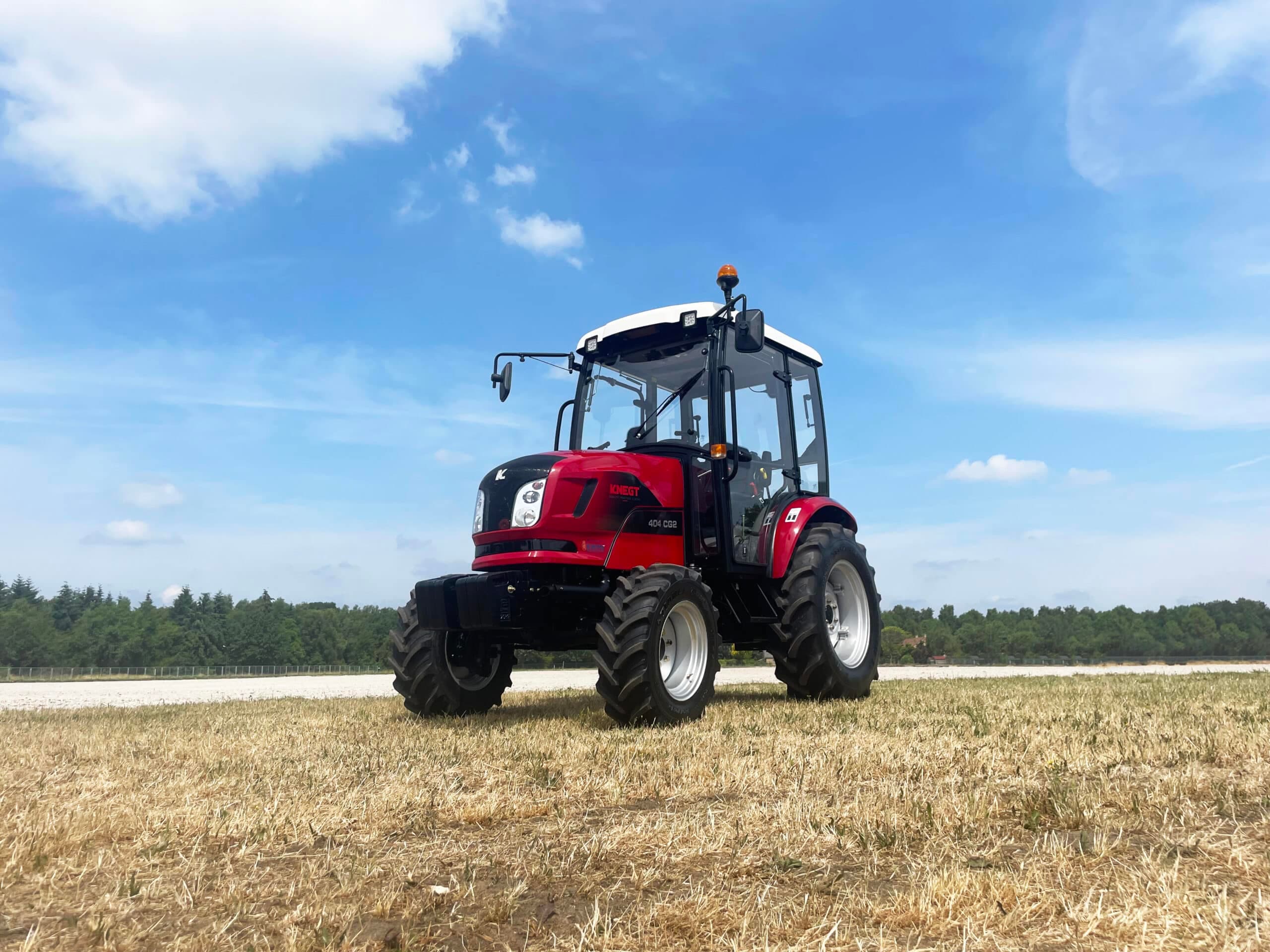
Knegt lists a Stage V engine for the 404GT (40 hp) and 504GT (50 hp) diesel compact tractors. Below you can read what the standard involves, what you notice in daily use and when an electric compact tractor is the more logical choice.
What exactly is Stage V?
The European Union sets emission requirements for combustion engines in non-road mobile machinery, such as construction machines, implements and compact tractors. These requirements are tightened in stages. Stage V is laid down in Regulation (EU) 2016/1628 and has applied to newly sold engines since 2019.
The standard limits four types of emissions:
- Carbon monoxide (CO)
- Hydrocarbons and nitrogen oxides (HC and NOx), combined in one limit
- Particulate mass (PM)
- The number of soot particles (PN)
The last one is new compared with earlier stages. For engines from 19 to 56 kW, roughly 26 to 76 hp, the particulate limit is 0.015 grams per kWh and an engine may emit no more than 1 × 10¹² particles per kWh. To achieve this, manufacturers in this class generally use a diesel particulate filter, or DPF.
For smaller engines, from 8 to 19 kW, the requirement is less strict: the particulate limit is 0.40 grams per kWh and there is no particle number limit. Good to know: Stage V regulates harmful emissions, not CO2 emissions. A Stage V engine still runs on diesel.
What do you notice in daily use?
A Stage V engine drives much like any other diesel, but the particulate filter brings a few points of attention:
- The filter traps soot particles and has to burn them off from time to time. This is called regeneration and happens at high exhaust temperatures.
- Lots of short trips or long idling without load can make the filter fill up faster. How your engine regenerates and what you need to do is described in the operator's manual.
- Use the fuel and engine oil specified by the manufacturer. That is good for the engine and for the life of the filter.
- Stick to the service schedule. A Knegt needs a service every 350 hours or once a year.
If you mainly work in short sessions, or a lot indoors and around animals, discuss with your dealer beforehand whether a diesel suits your working pattern.
Stage V on Knegt's diesel tractors
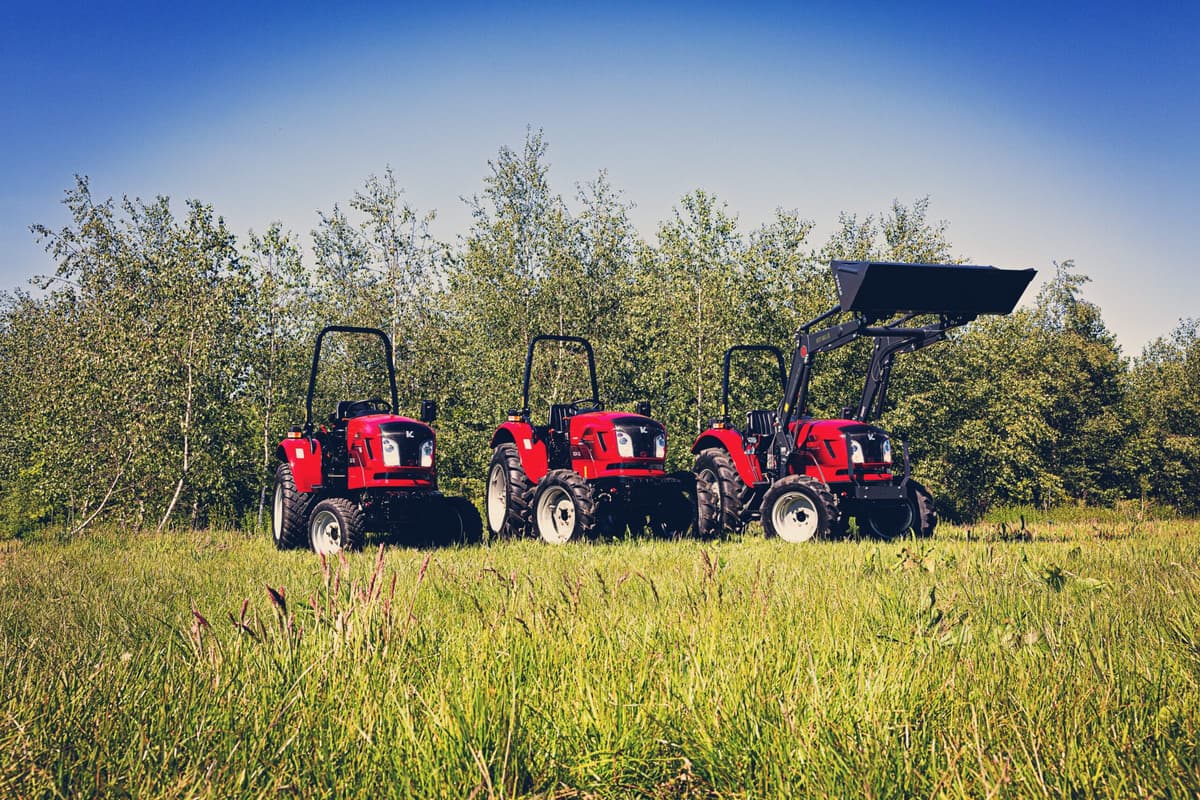
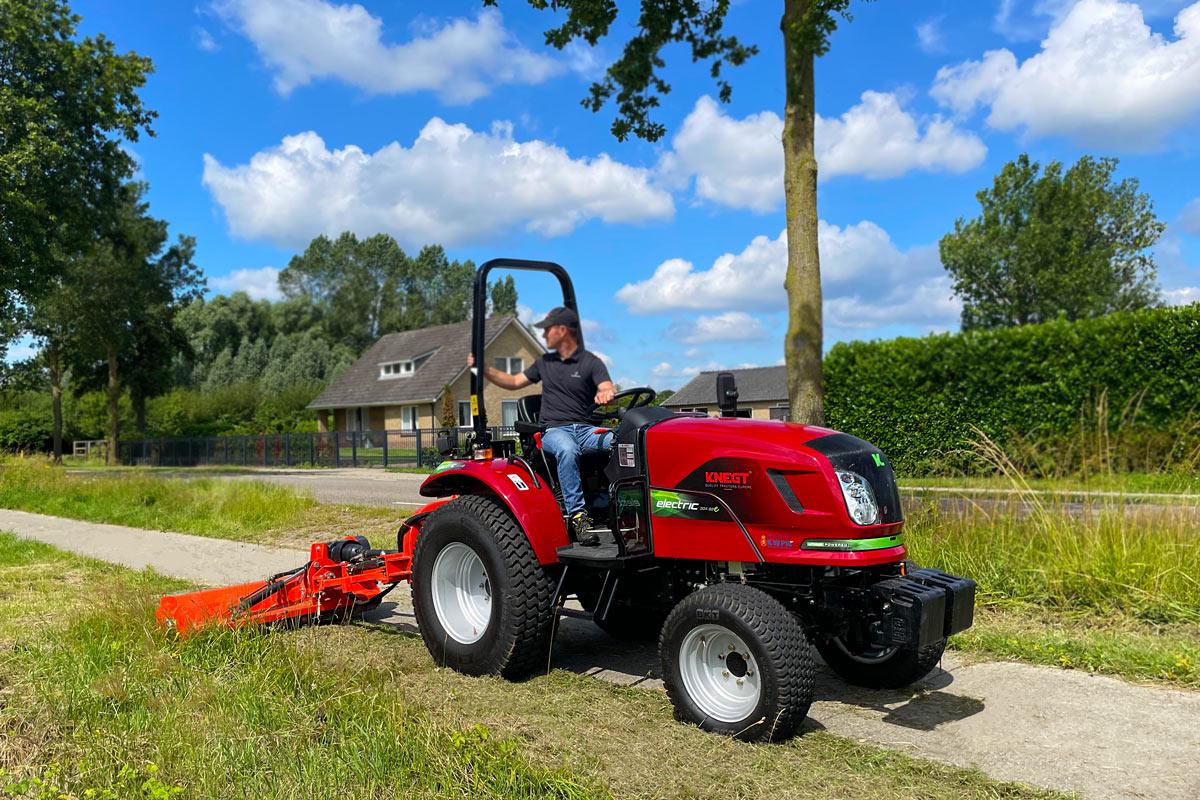
Knegt has been building compact tractors in its own workshop in Veldhoven, the Netherlands, since 2006 and offers three diesel models:
- Knegt 304G2: 25 hp, from €13,750 excl. VAT. The compact entry-level model.
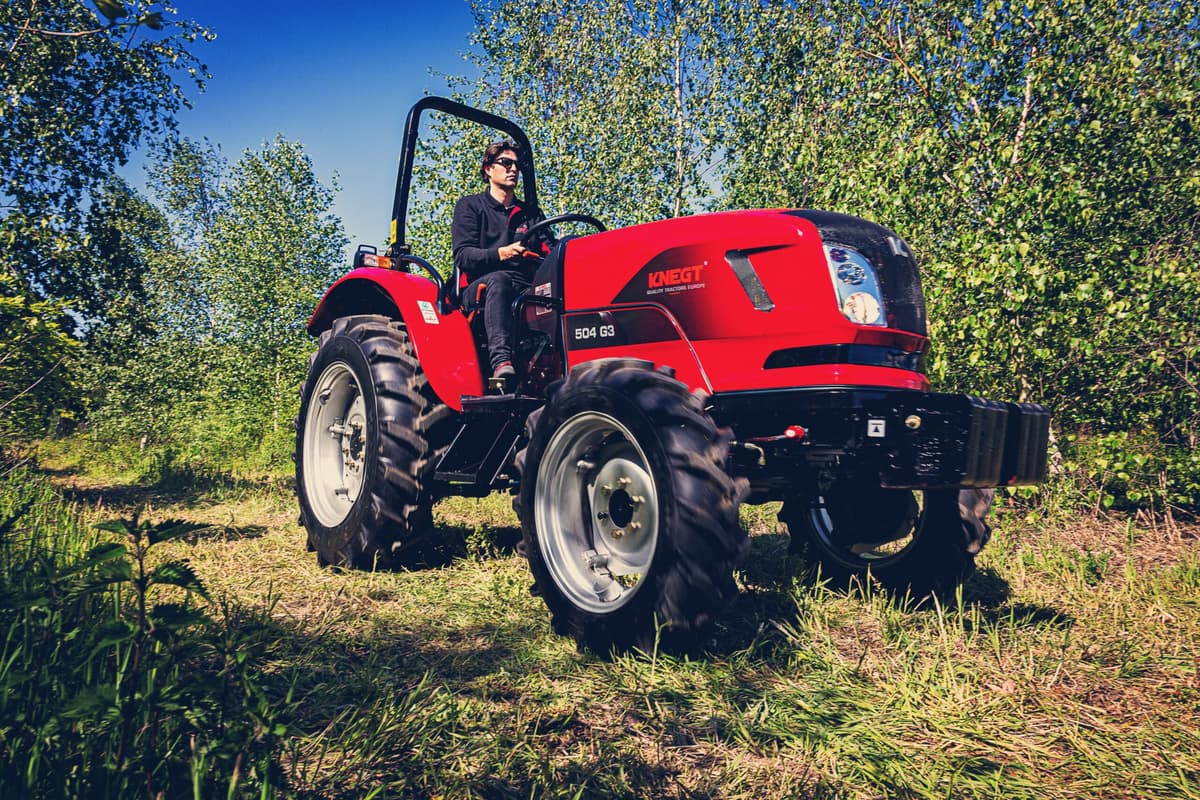
- Knegt 404GT: 40 hp with a Stage V engine, from €17,950 excl. VAT.
- Knegt 504GT: 50 hp with a Stage V engine, from €20,950 excl. VAT.
The starting prices apply to the basic version without options. The diesel tractors have a 30-litre tank, a manual transmission, four-wheel drive and power steering. If you need the exact engine data and emissions class of a specific model, for example for a tender or a client's requirements, ask your dealer or request them in your quotation.
Is there an emissions class requirement for machinery at your work site? Check beforehand exactly which class is required and whether diesel machinery is allowed there at all.
Stage V diesel or electric: a comparison
Knegt builds both diesel and electric compact tractors. This is how they compare:
- Emissions: a Stage V diesel emits far less particulate matter than older diesel engines, but still produces exhaust gases. An electric Knegt has no exhaust emissions.
- Workplace: in stables, greenhouses, warehouses and around animals or visitors, electric is the logical choice. Outdoors, far from a power socket, diesel is practical.
- Usage pattern: a diesel with a particulate filter works best during longer periods under load. An electric tractor is not affected by short trips or standing still.
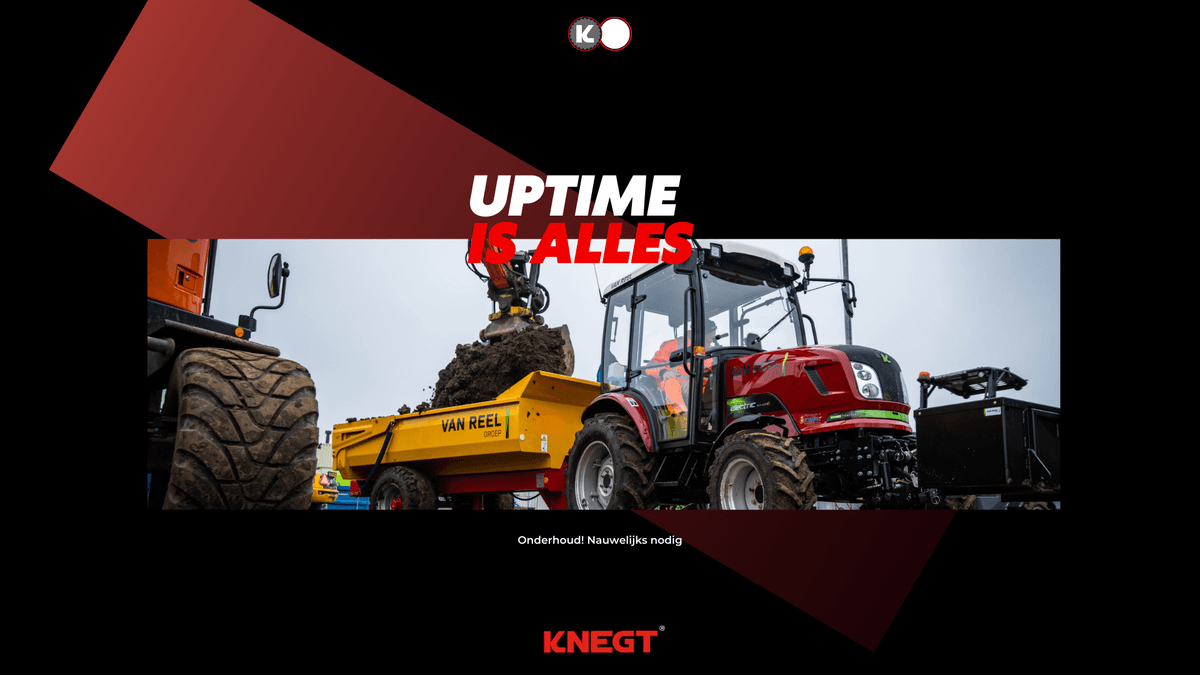
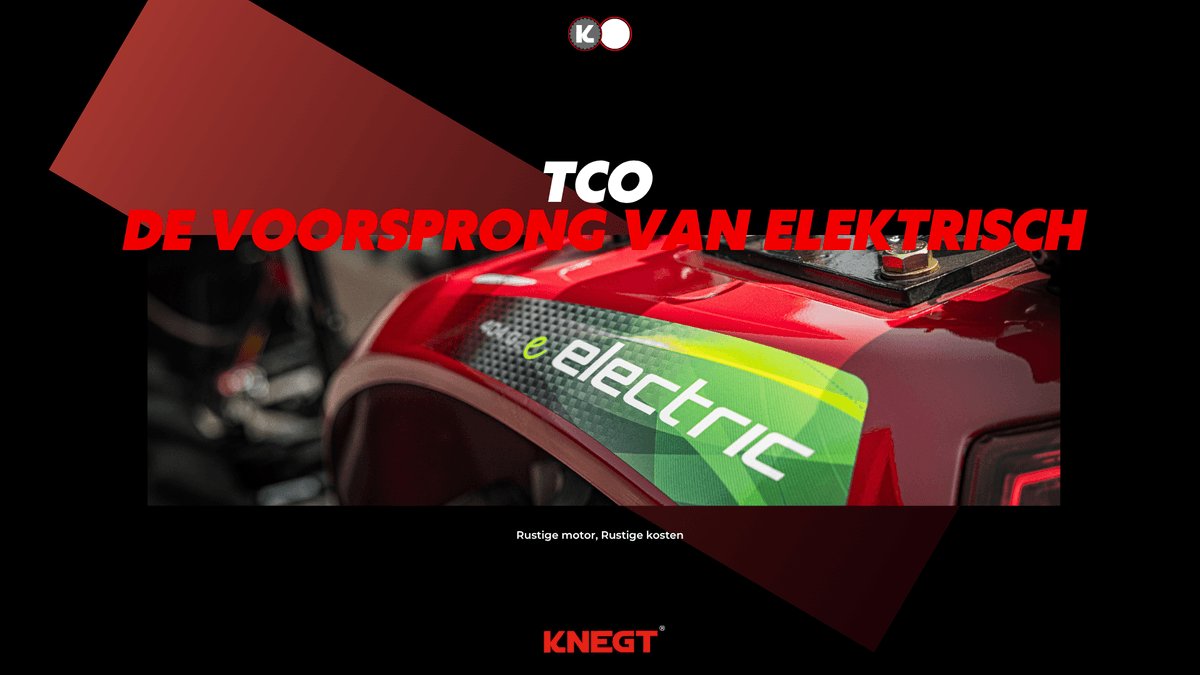
- Maintenance: the electric Knegt has no engine oil, fuel filters, injectors or particulate filter.
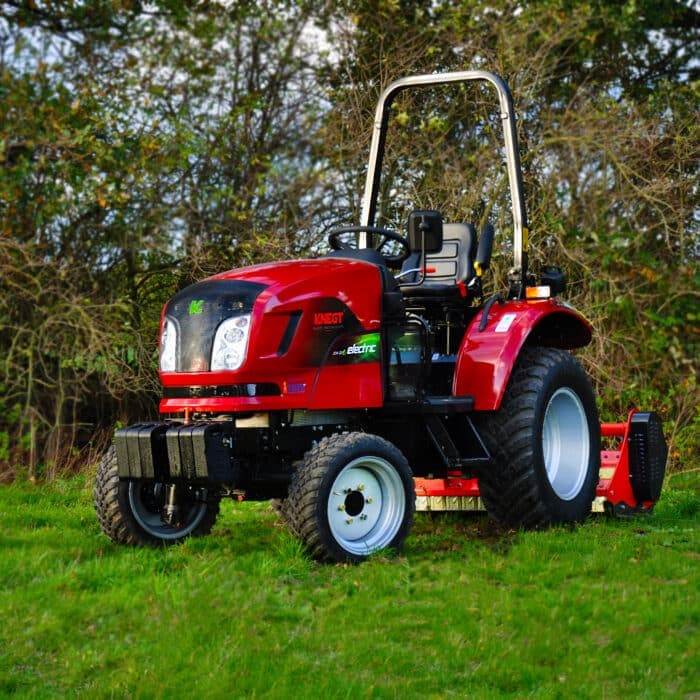
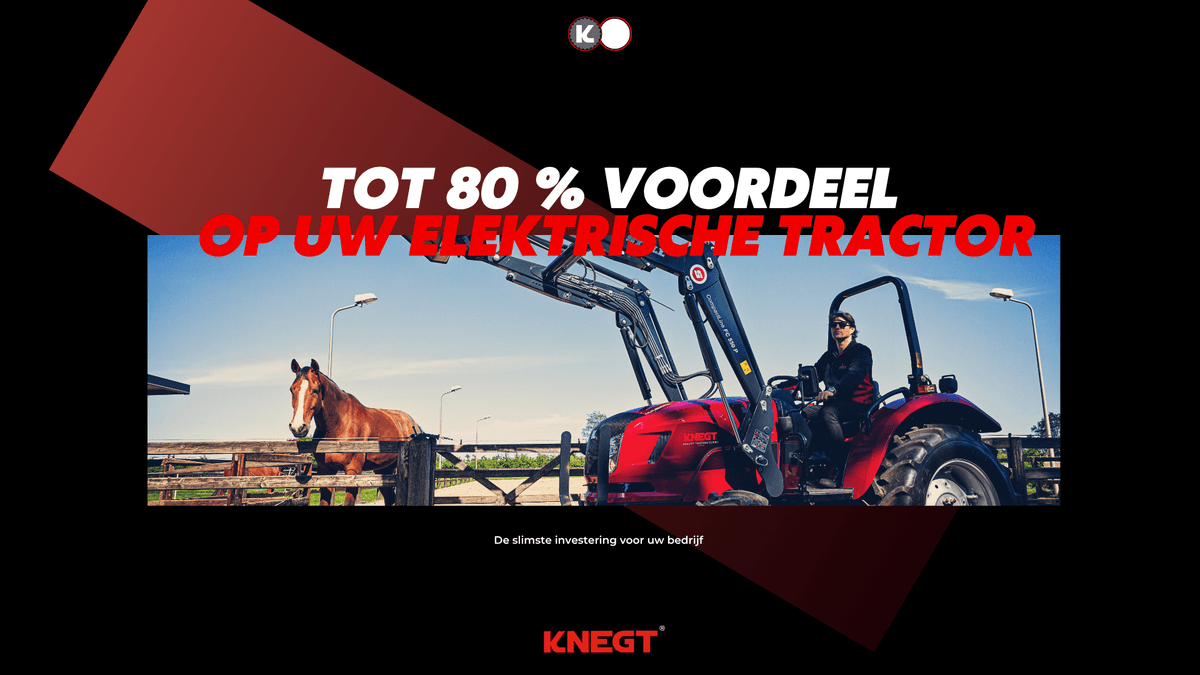
- Purchase: the diesel models cost less to buy. The electric 304G2E (45 hp), 404G2E (55 hp) and 504G3E (65 hp) start at €37,950, €45,950 and €52,950 excl. VAT, offset by lower energy and maintenance costs.
Not sure? Compare your operating hours per year, your work locations and your charging options. A dealer will gladly calculate both options with you.
Frequently asked questions
What does Stage V mean on a tractor?
It means the diesel engine meets Stage V, the current European emissions stage for non-road machinery, with strict limits for particulate matter and the number of soot particles.
Does a Stage V engine have a particulate filter?
In the 19 to 56 kW class, a particulate filter is generally needed to meet the particle limit. Ask your dealer how this is done on your model.
Is a Stage V diesel emission-free?
No. Stage V limits harmful emissions, but the engine still produces exhaust gases and CO2. If you want to work emission-free, an electric compact tractor is the choice.
Which Knegt diesel tractors have a Stage V engine?
Knegt lists a Stage V engine for the 404GT and the 504GT.
Personal advice on diesel or electric
Whether a Stage V diesel or an electric compact tractor suits you best depends on your work, your work locations and how many hours you run per year. Request a free demo, book a consultation or find a Knegt dealer near you. Together we will look at which tractor and which configuration fit your business. Want to know what your configuration costs? Request a quotation.