Fitting a front loader to a compact tractor later
The short answer
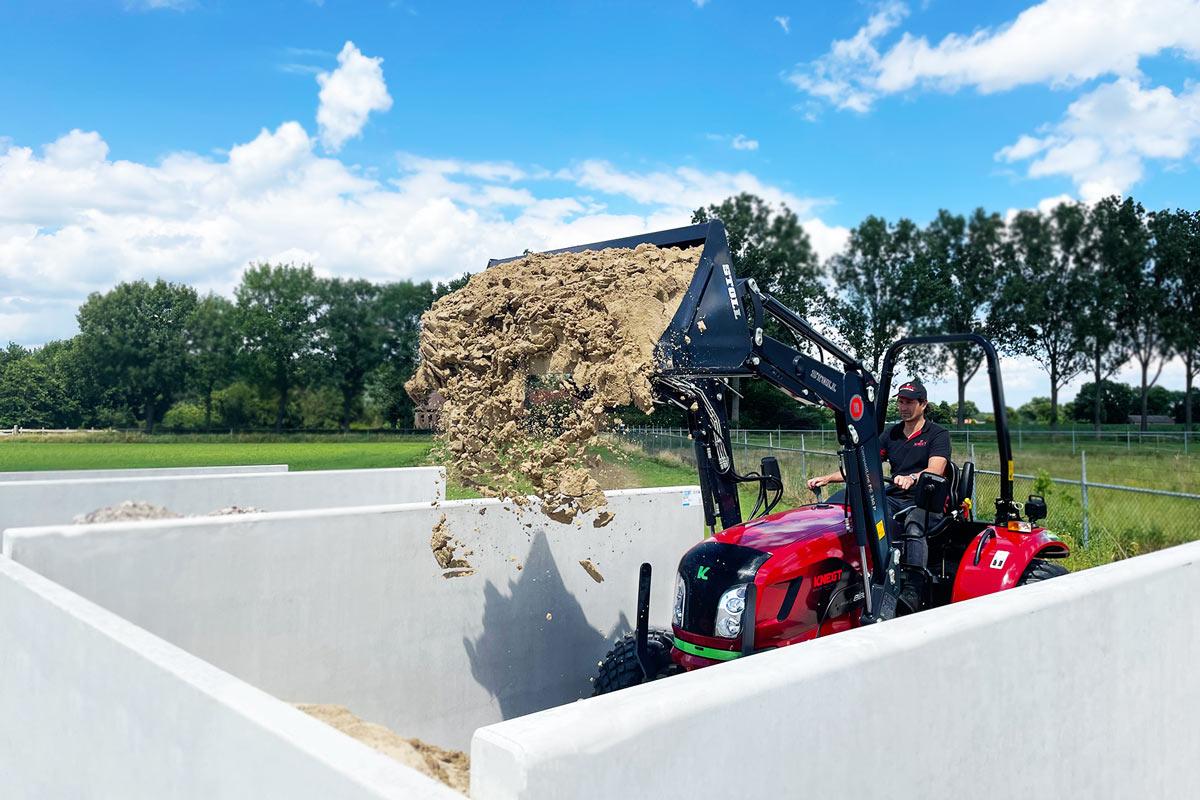
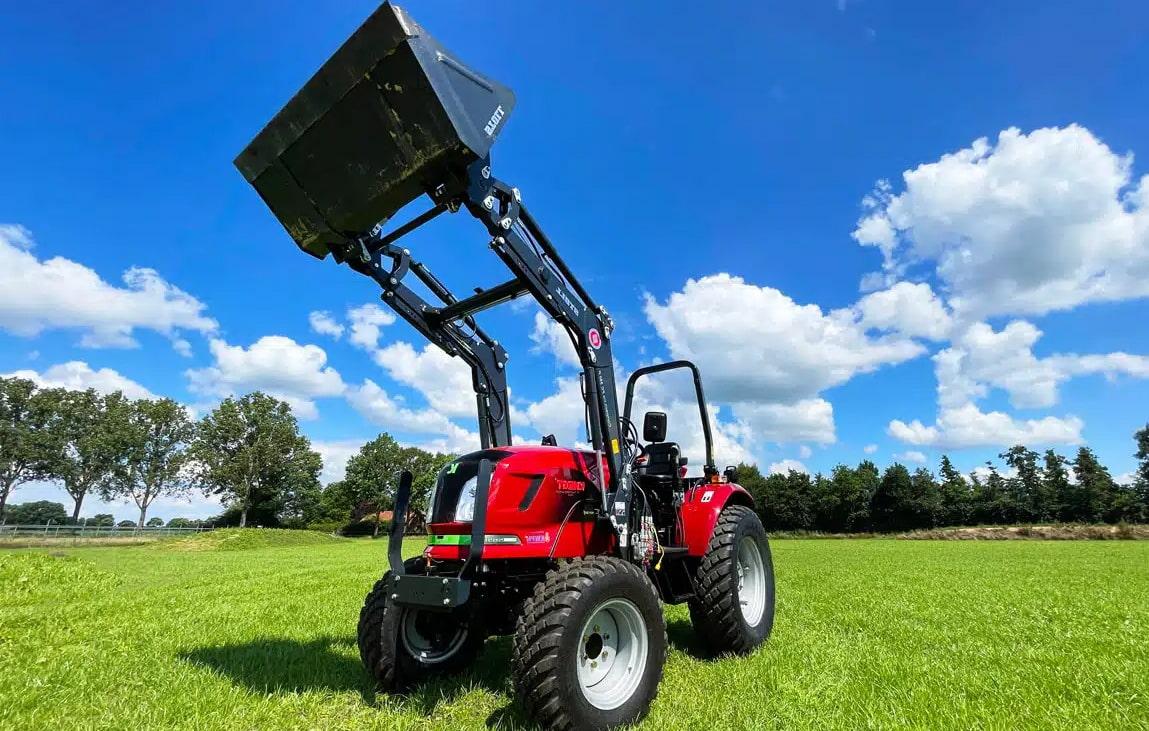
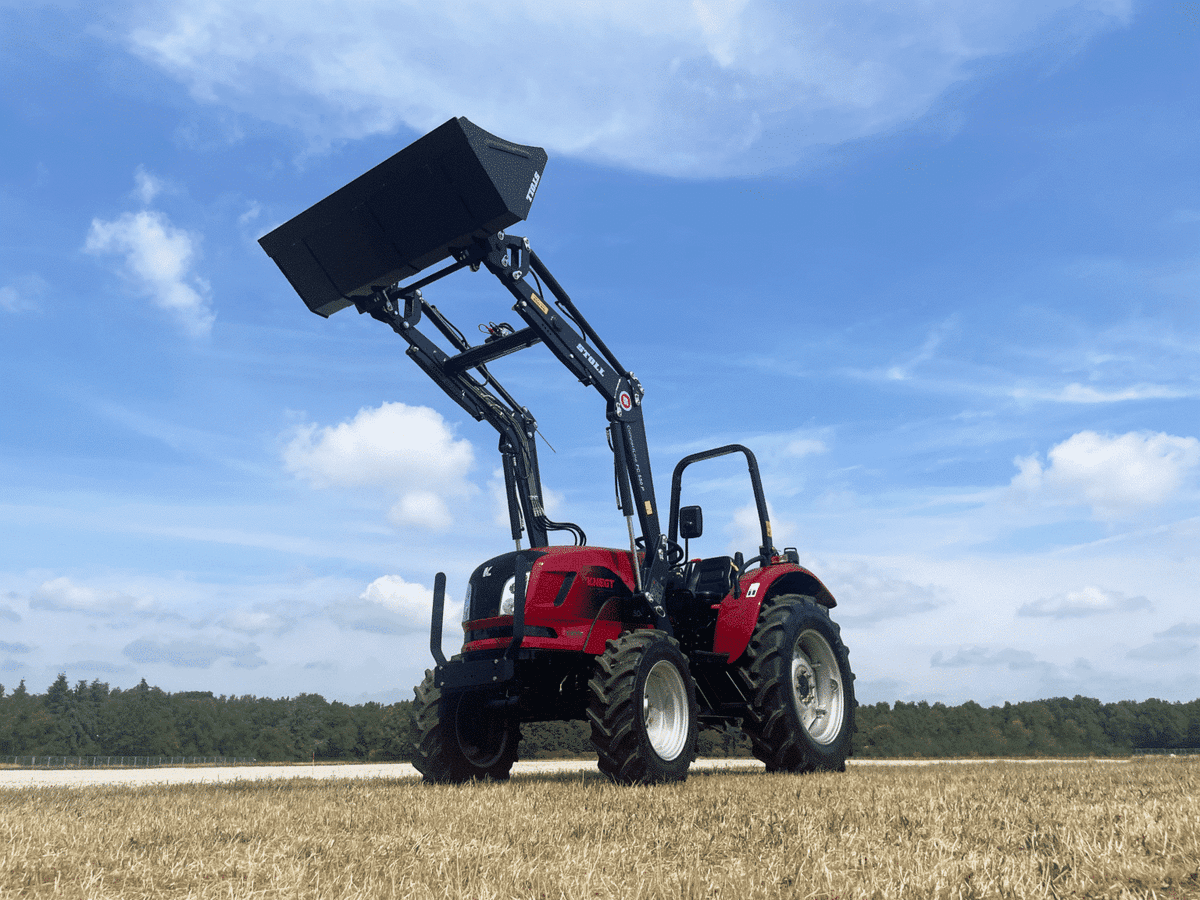
Fitting a front loader to a compact tractor afterwards is often possible, but whether it works on your tractor depends on the model, the version and the hydraulics. You need mounting brackets on the frame, a hydraulic connection with controls and a loader that matches the weight and power of the tractor.
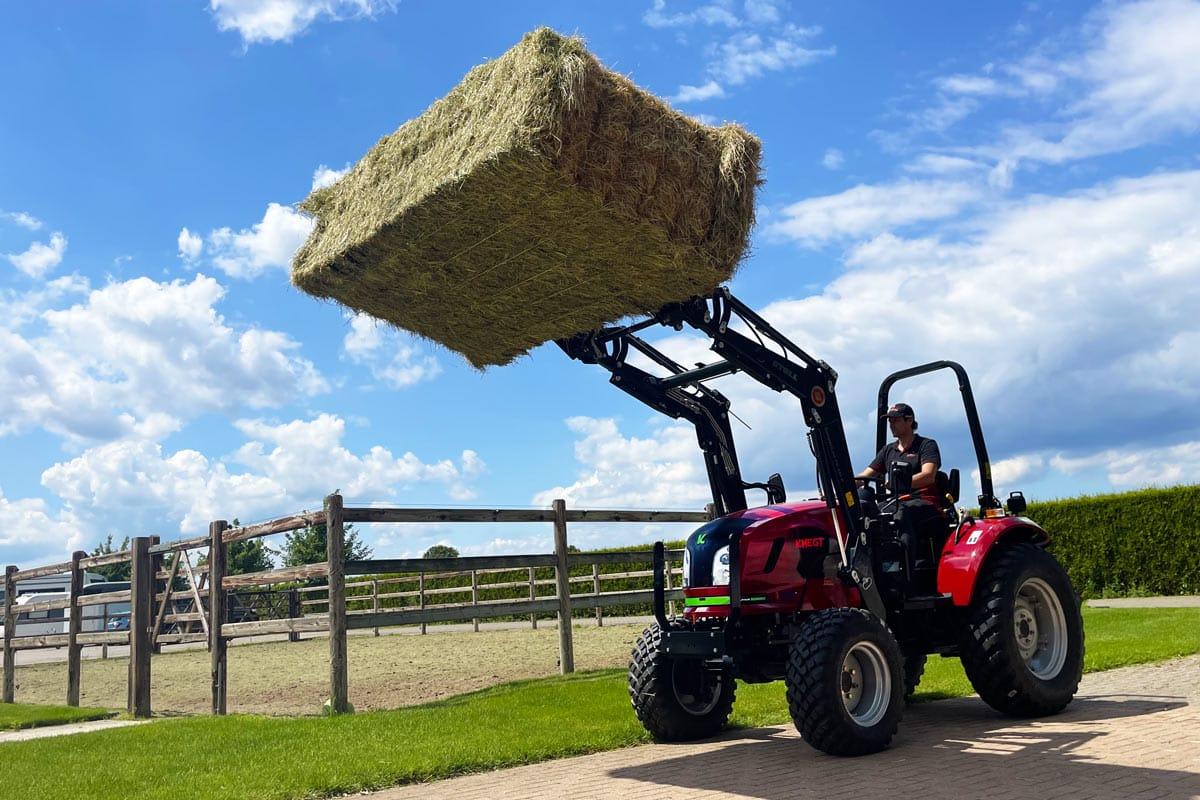
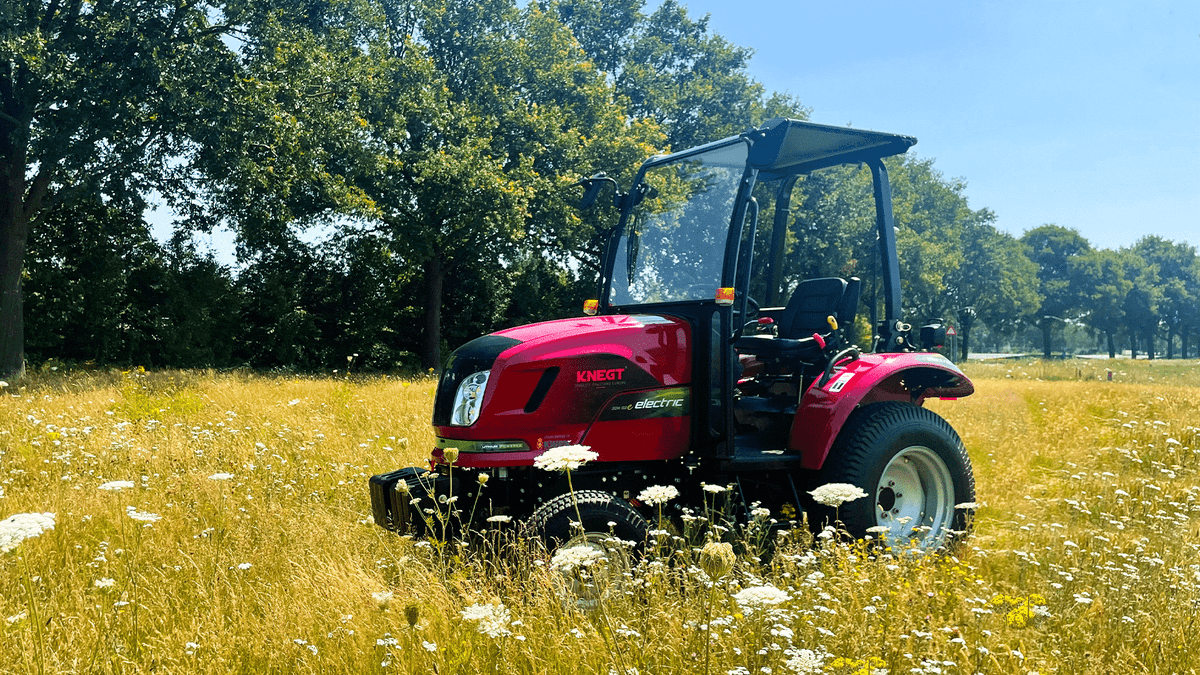
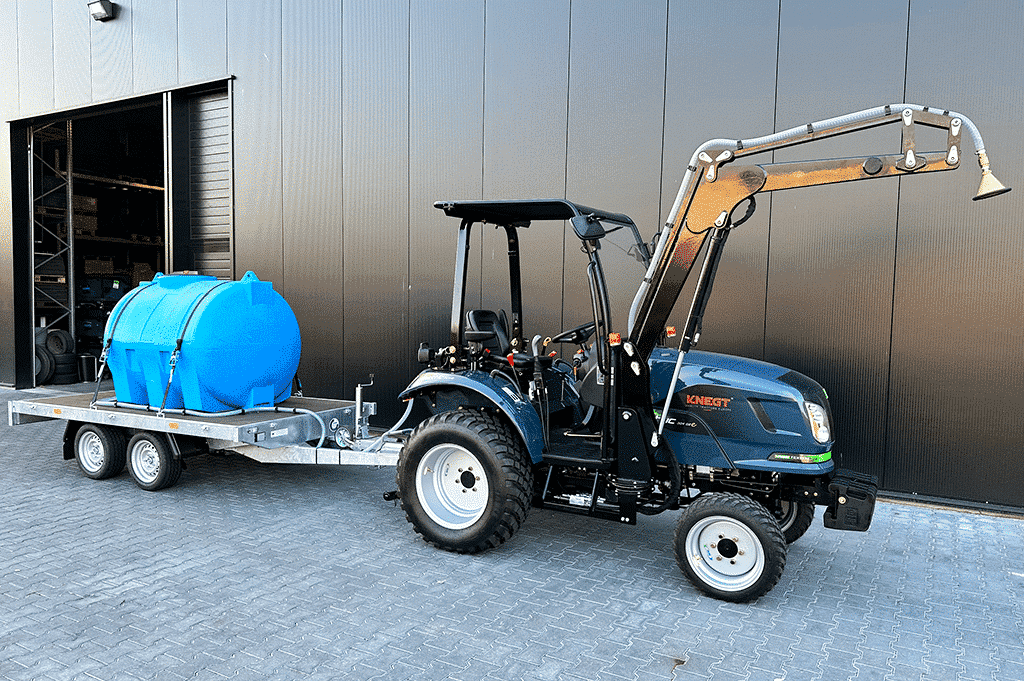
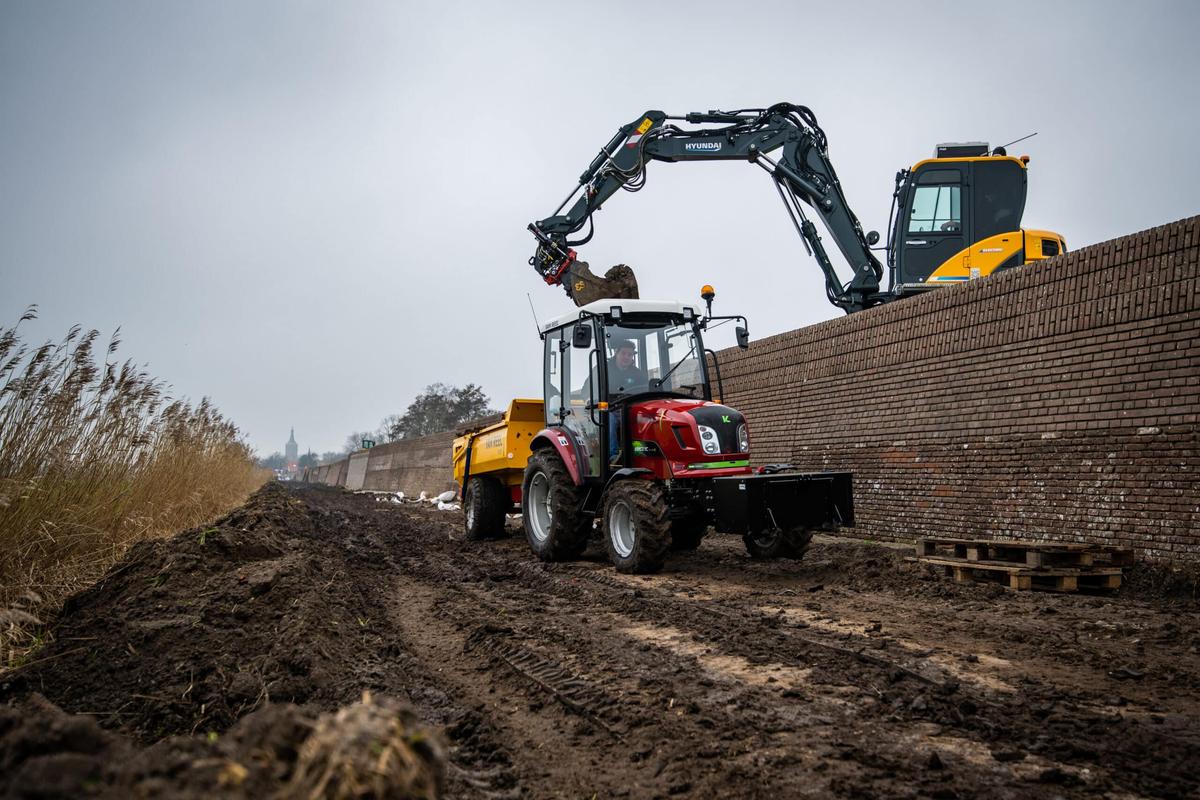
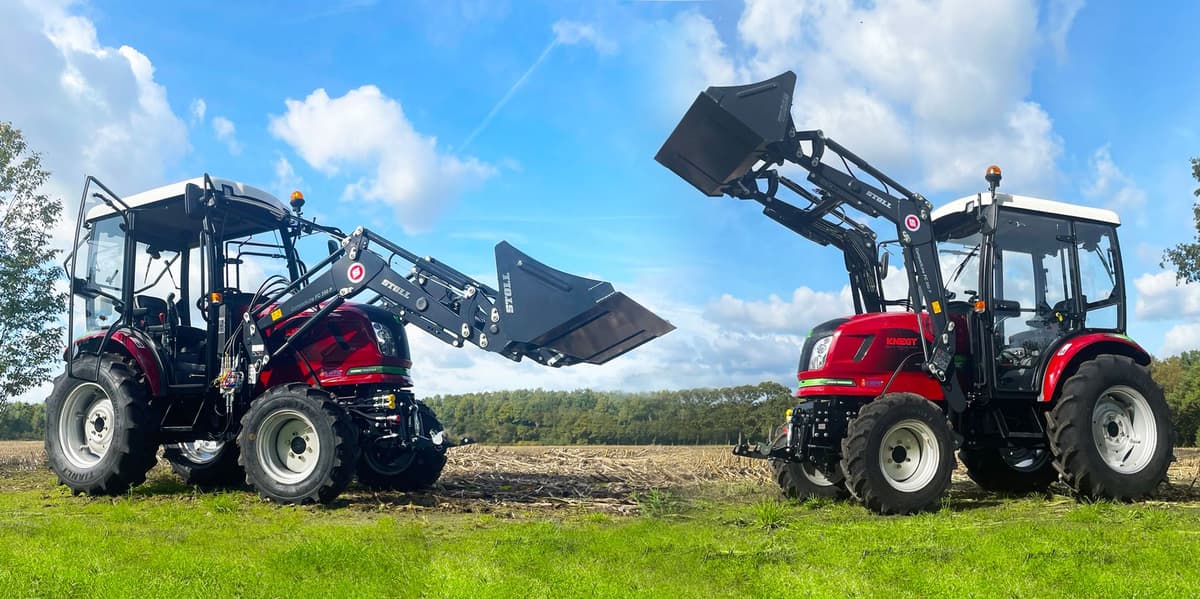
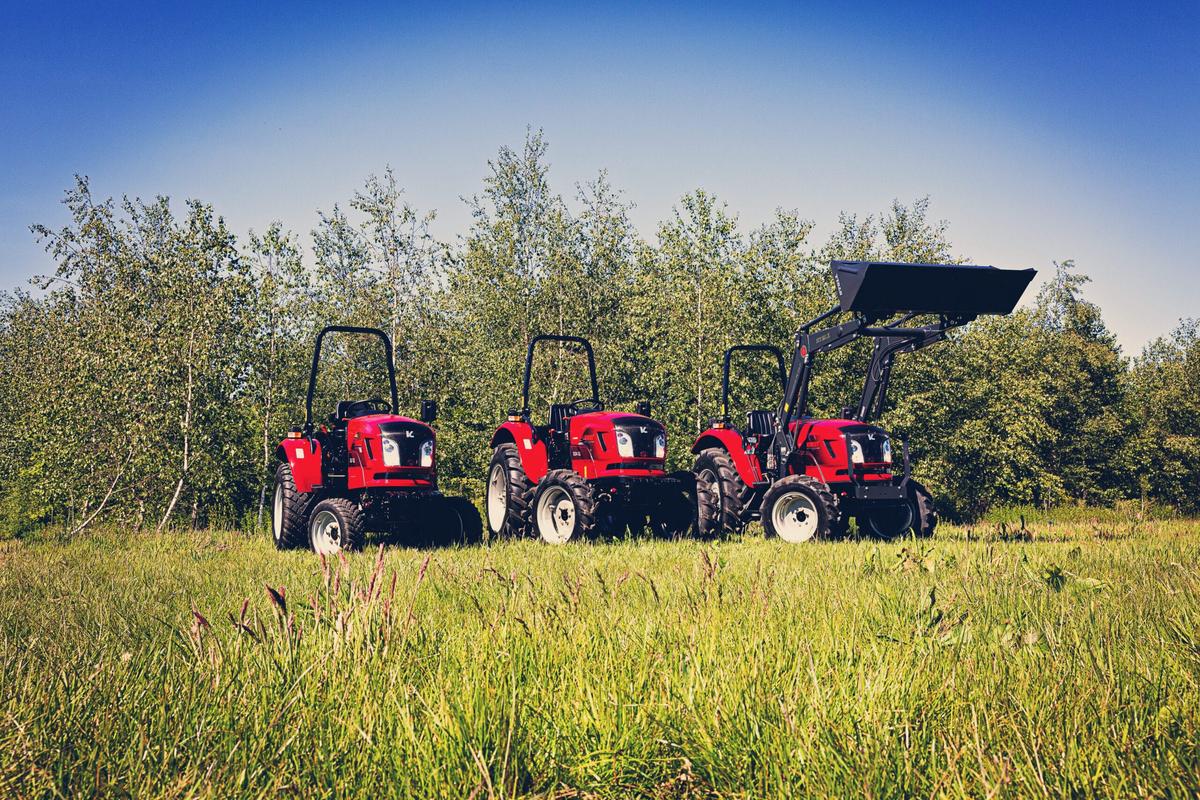
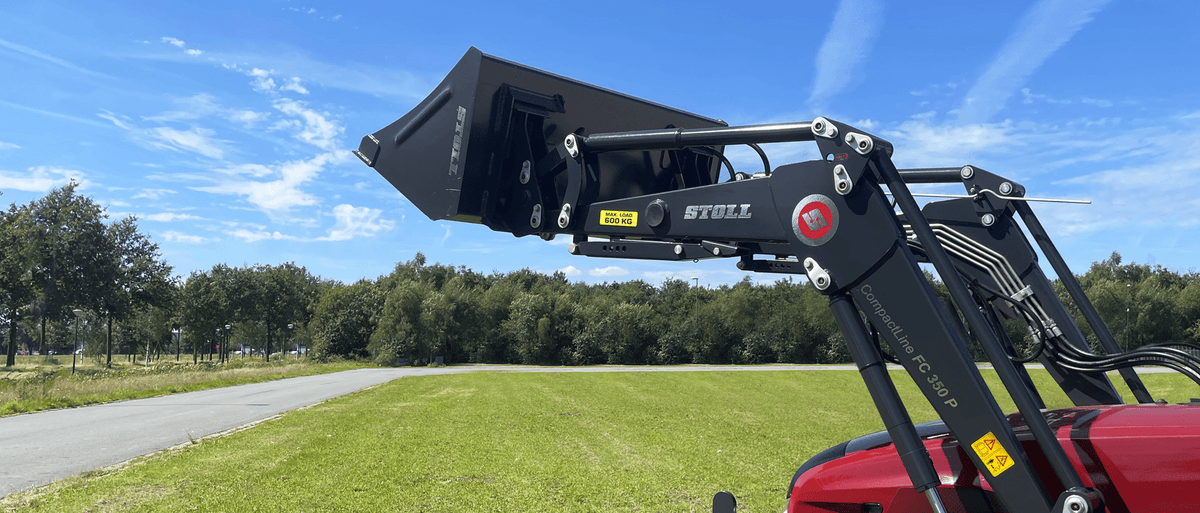
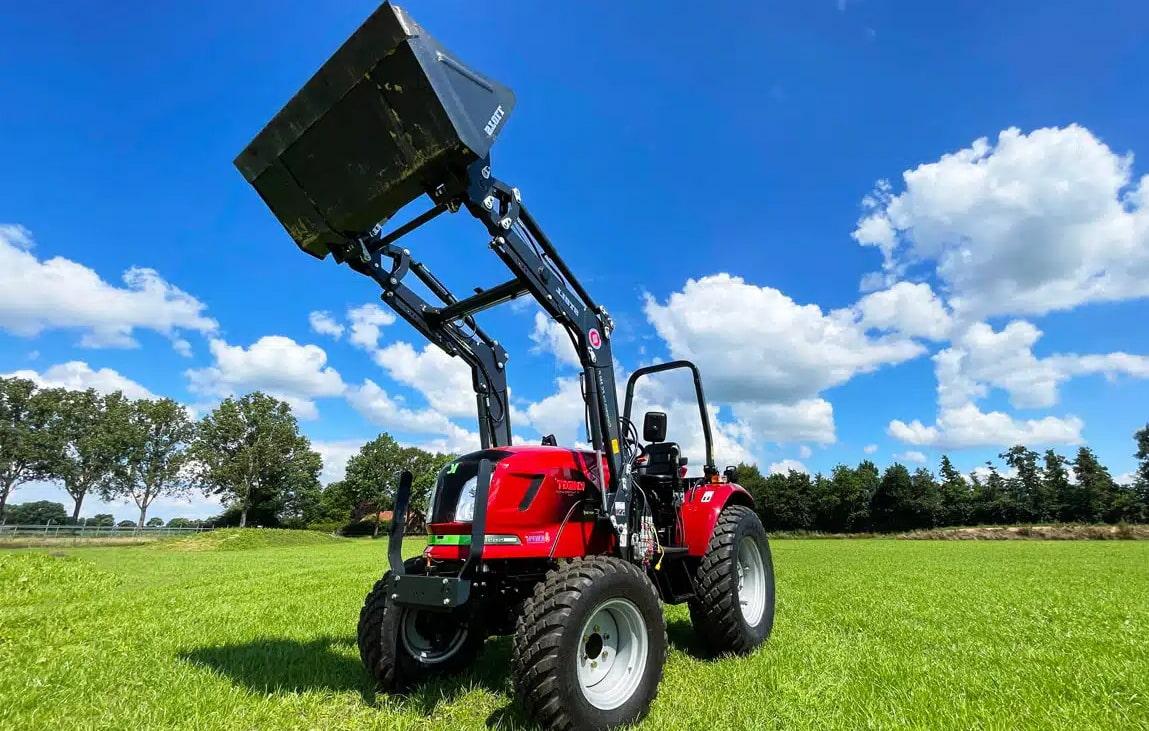
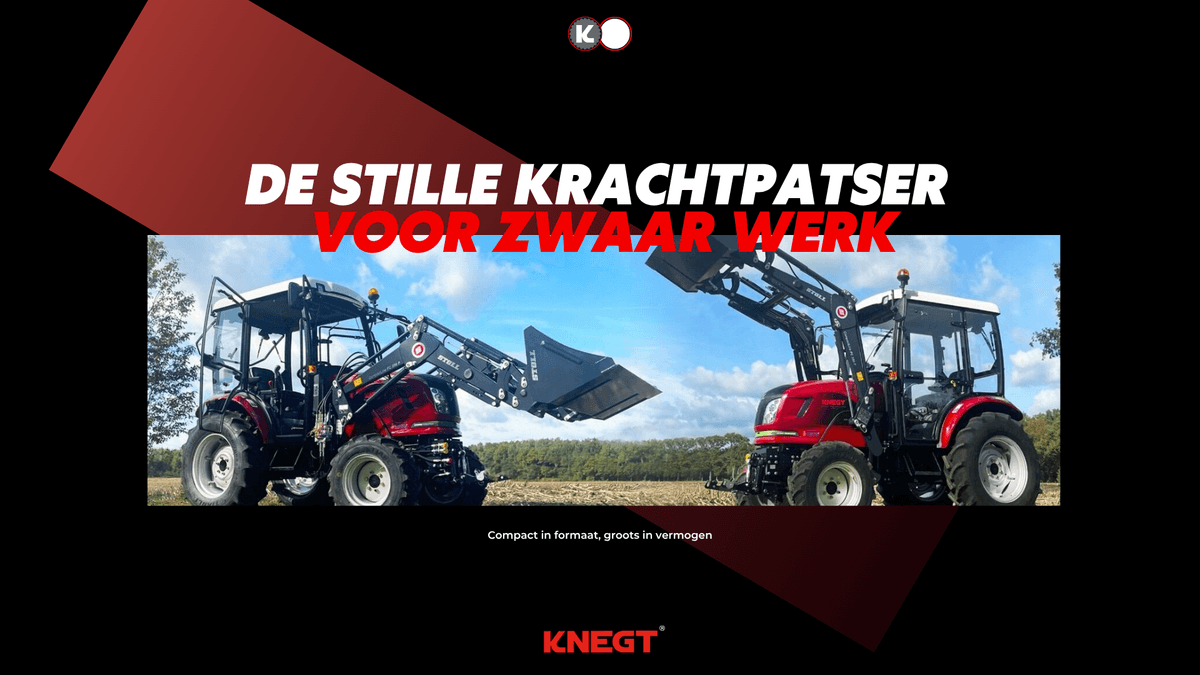
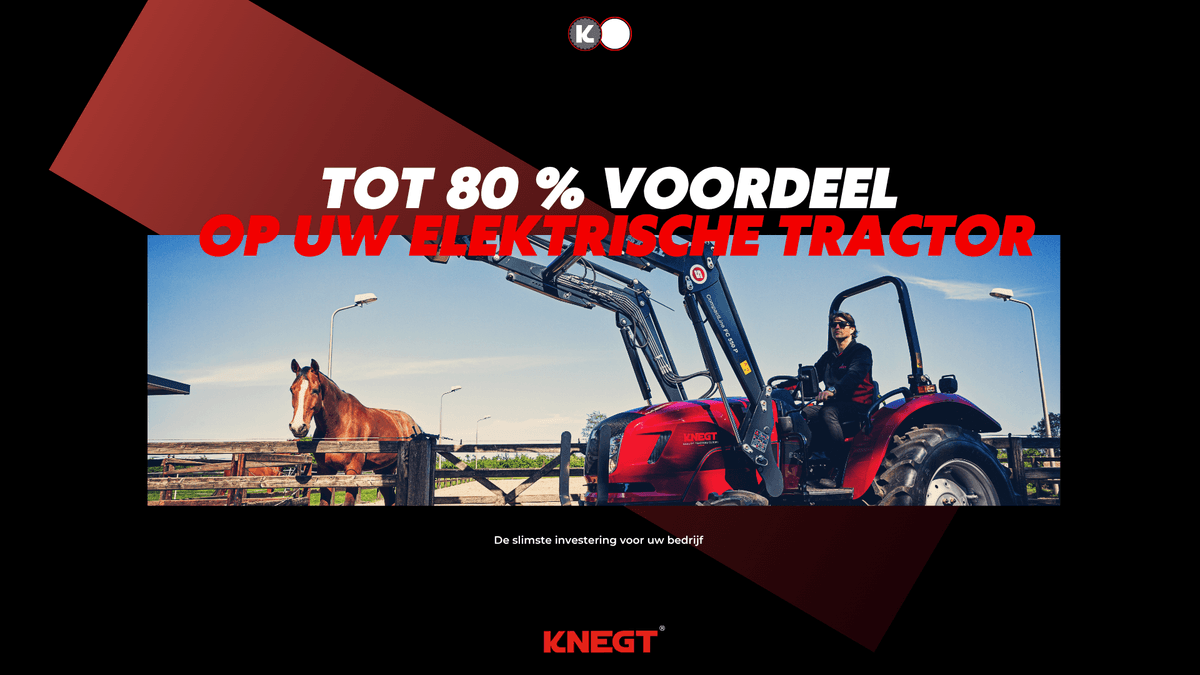
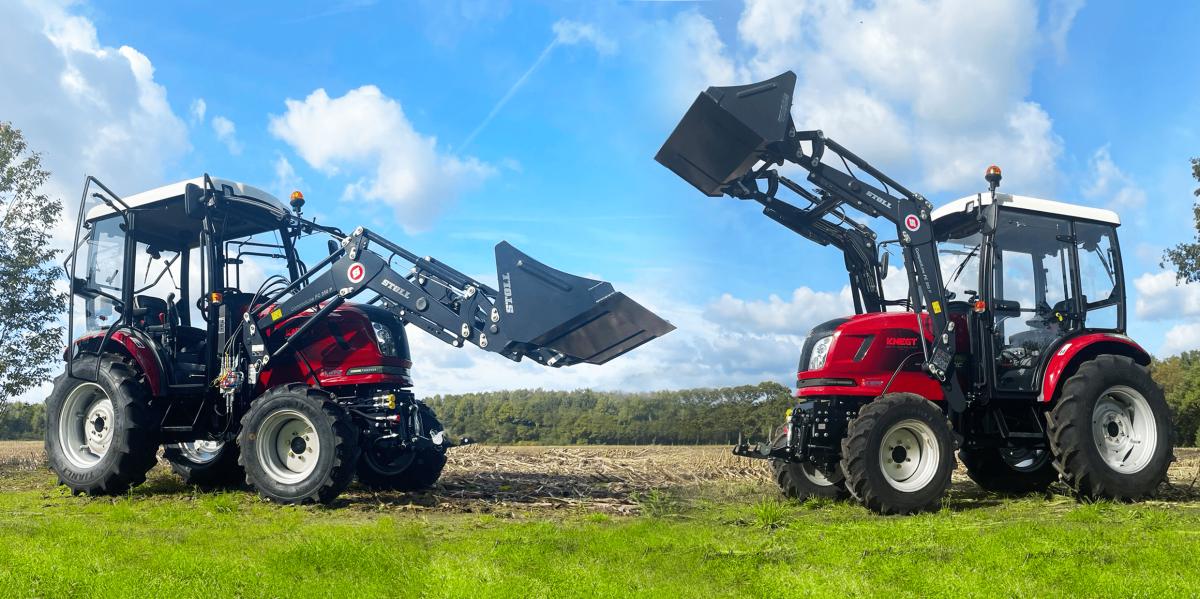
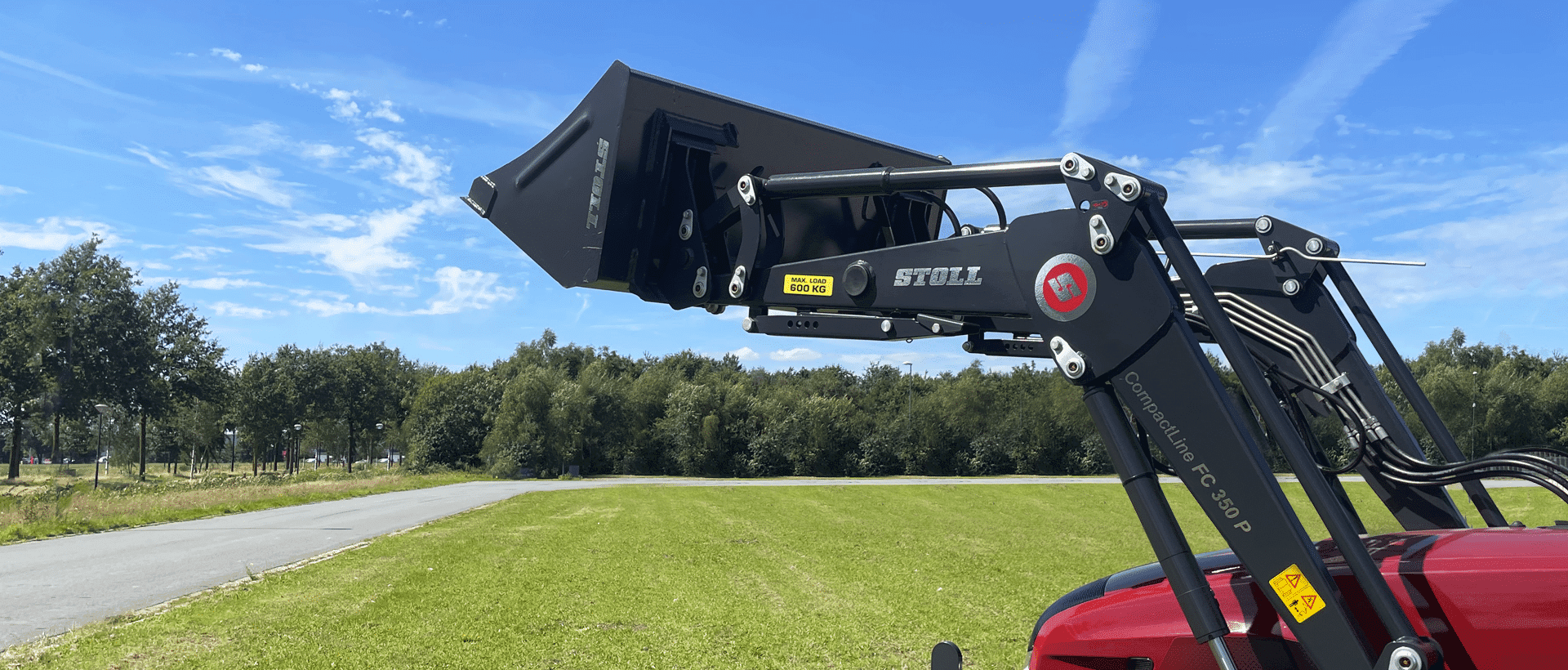
At Knegt, all three electric compact tractors, the 304G2E, 404G2E and 504G3E, are available with a STOLL front loader, on its own or combined with a cab. If you want a loader fitted to an existing tractor, ask your Knegt dealer to check in advance which loader and which parts your tractor needs.
What does it take to fit a front loader?
A front loader is more than two arms and a bucket. To work safely and properly, several parts have to fit together:
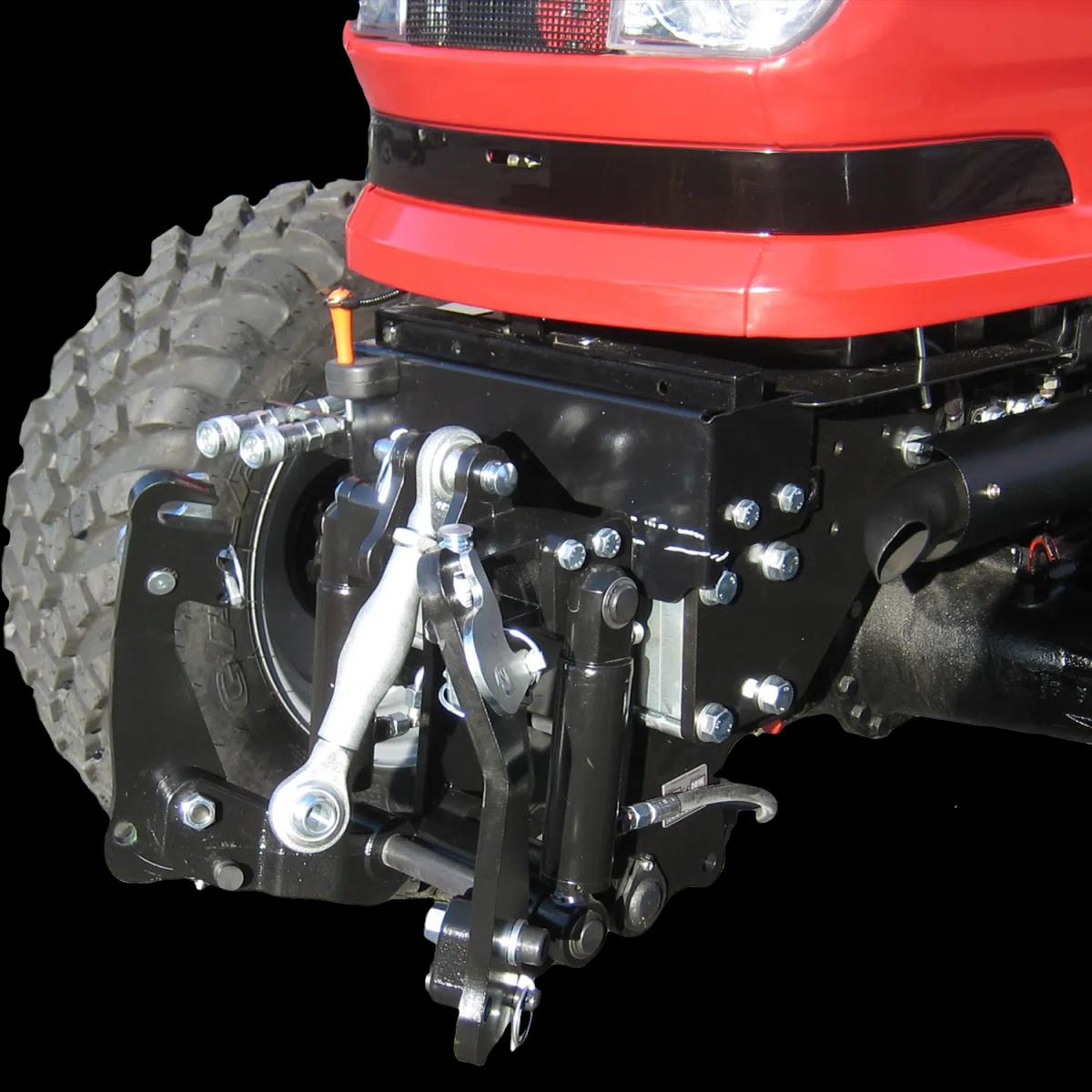
- Mounting brackets: the loader is attached to the tractor frame with brackets. These have to match the specific tractor model.
- Hydraulic connection: the lift and tilt cylinders of the loader need oil under pressure. The tractor needs the right connections for this.
- Controls: usually a joystick or lever at the driver's seat to control lifting and tilting.
- Extra hydraulic function: if you want to use a grapple bucket or manure grab later, you need an extra function for the flap or grab.
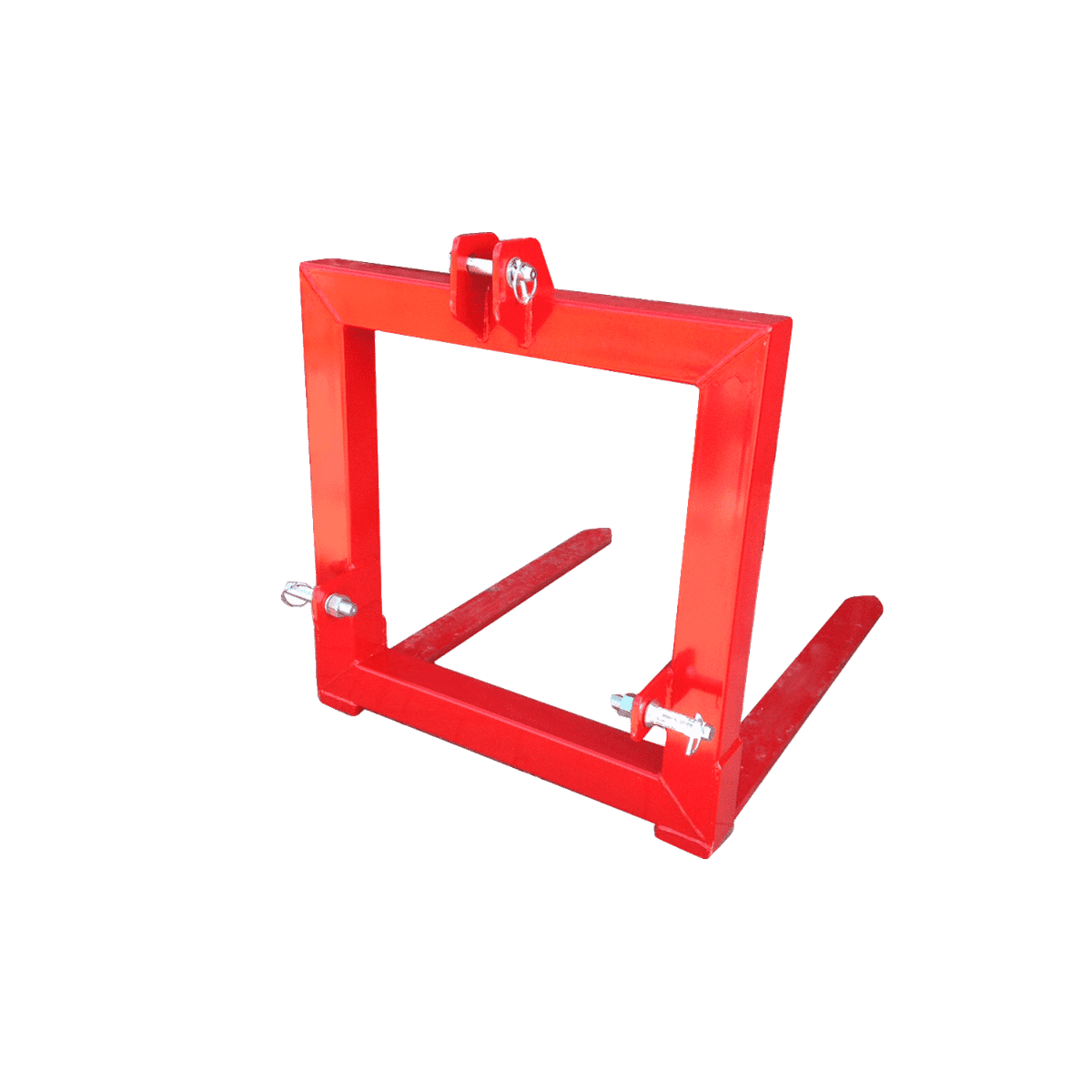
- Tool carrier: the quick-attach plate for the bucket, pallet forks or bale spear. With a Skid-to-Euro adapter plate you can also use attachments for Skid-steer or Euro systems.
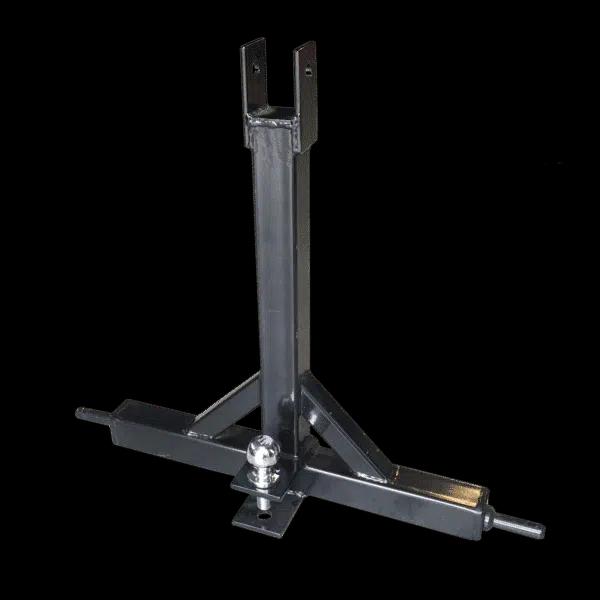
- Ballast: a full bucket shifts the centre of gravity forward. Ballast at the rear of the tractor, for example on the three-point linkage, is often needed.
That is why a front loader is always tailored to the tractor model. A loader that fits one tractor will not automatically fit another.
Order it with the tractor or fit it later?
Not sure yet whether you need a front loader? You can order it with the tractor or have it fitted later. Both options have pros and cons.
Ordering it with the tractor:
- Tractor, loader and hydraulics are matched in one go.
- In the configurator you choose the version with front loader or with cab and front loader straight away.
- You get one quote and the tractor is ready for loading work from day one.
Fitting it later:
- You spread the investment and only decide once you know how much loading work you really have.
- It does involve extra fitting work, and it has to be checked in advance whether your model and version are suitable.
- Additional parts are sometimes needed, such as extra hydraulic connections or ballast.
If you already know you will regularly move manure, sand, bales or pallets, ordering the loader with the tractor is usually the simplest route. If loading work is something for later, discuss with your dealer at the time of purchase whether and how a loader can be added.
How to arrange it in 5 steps
These steps help you avoid surprises when retrofitting a front loader:
- Define your loading work: which materials do you move, what is your heaviest load and how high do you need to load, for example over the side of a trailer?
- Share your tractor details: model, year of manufacture and version. Your dealer checks whether a matching loader and brackets are available.
- Ask for the lift capacity: how much the loader can lift safely depends on the loader and the tractor. Your dealer will give you the right figures for your combination.
- Choose the attachments: think of the STOLL grapple bucket, bale spear, manure grab or pallet forks. Indicate whether you need an extra hydraulic function.
- Have the dealer do the fitting: this ensures the brackets, hydraulics and controls are connected correctly. Also discuss ballast, maintenance and what the fitting means for your warranty.
What to consider on an electric compact tractor
On an electric Knegt, a front loader basically works the same as on a diesel tractor, but a few differences work in your favour:
- Separate hydraulic motor: the electric models have a separate drive motor and a separate 15 hp hydraulic motor. The loader runs on that hydraulic motor, independent of driving.
- Choice of drive power: the 304G2E has 45 hp (30 hp drive motor and 15 hp hydraulics), the 404G2E 55 hp (40 and 15) and the 504G3E 65 hp (50 and 15). More drive power helps with heavy pushing, slopes and full trailers.
- Working indoors: with no exhaust fumes, you can also load and unload in stables, barns, greenhouses and halls.
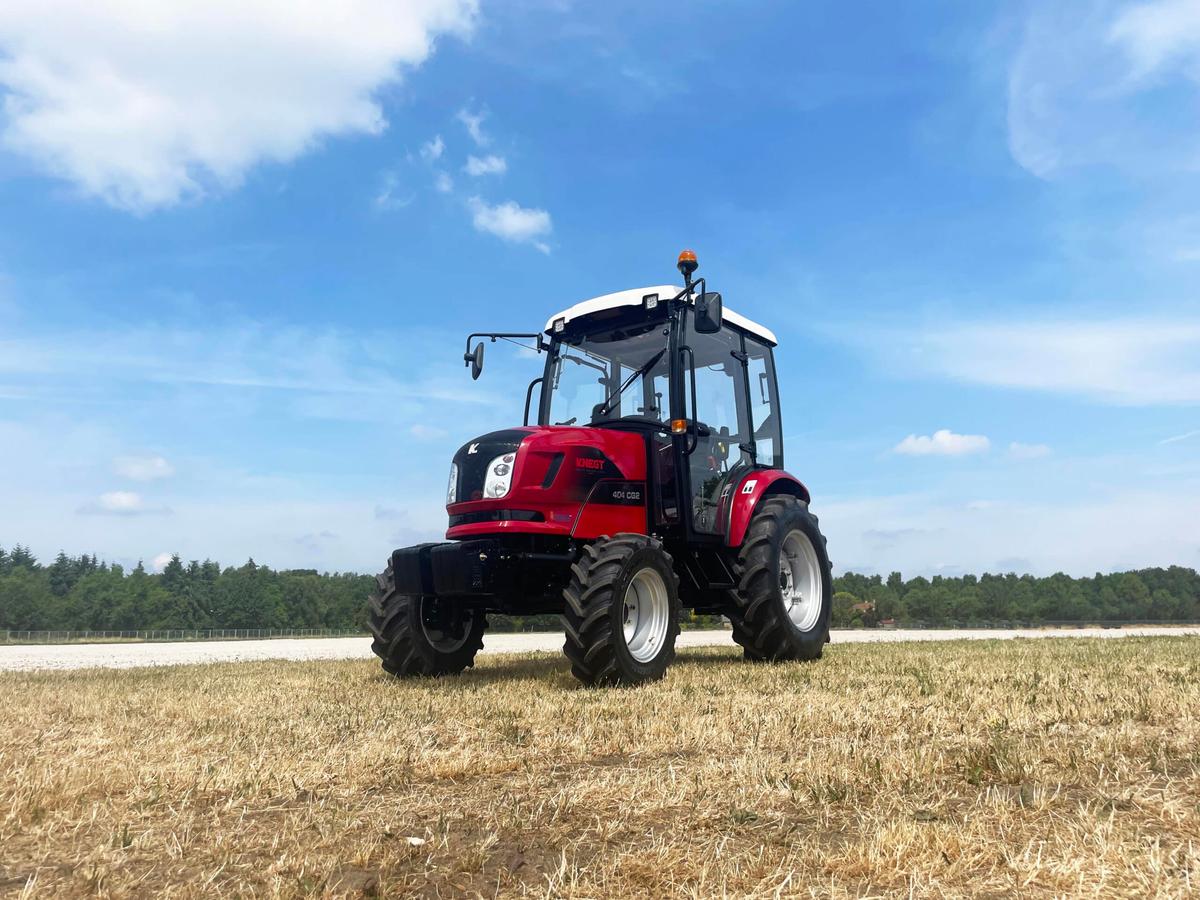
- Cab: if you may also want a cab later, check in advance whether the combination of cab and loader is possible on your tractor. The configurator offers a version with cab and front loader.
- Charging and run time: loading work takes energy. Plan breaks so you can top up the battery in between via 230V or a fast charger.
Do you have a Knegt diesel tractor, the 304G2, 404GT or 504GT? Ask your dealer which loader and which parts are available for it.
Frequently asked questions
Can a front loader be fitted to any compact tractor?
No, not automatically. Matching brackets must exist for the model and the tractor needs the right hydraulic connections. Your dealer checks this for your tractor.
How much does it cost to retrofit a front loader?
That depends on the loader, the attachments and the parts your tractor needs. Request a quote for a price that fits your situation.
Can I fit the front loader myself?
Preferably have your Knegt dealer do the fitting. Hydraulics, mounting and ballast must be properly matched for safe work.
Can I remove the loader again?
Many front loaders are designed so you can detach them when you do not need them. Ask your dealer how this works for your loader and tractor.
Have your tractor assessed
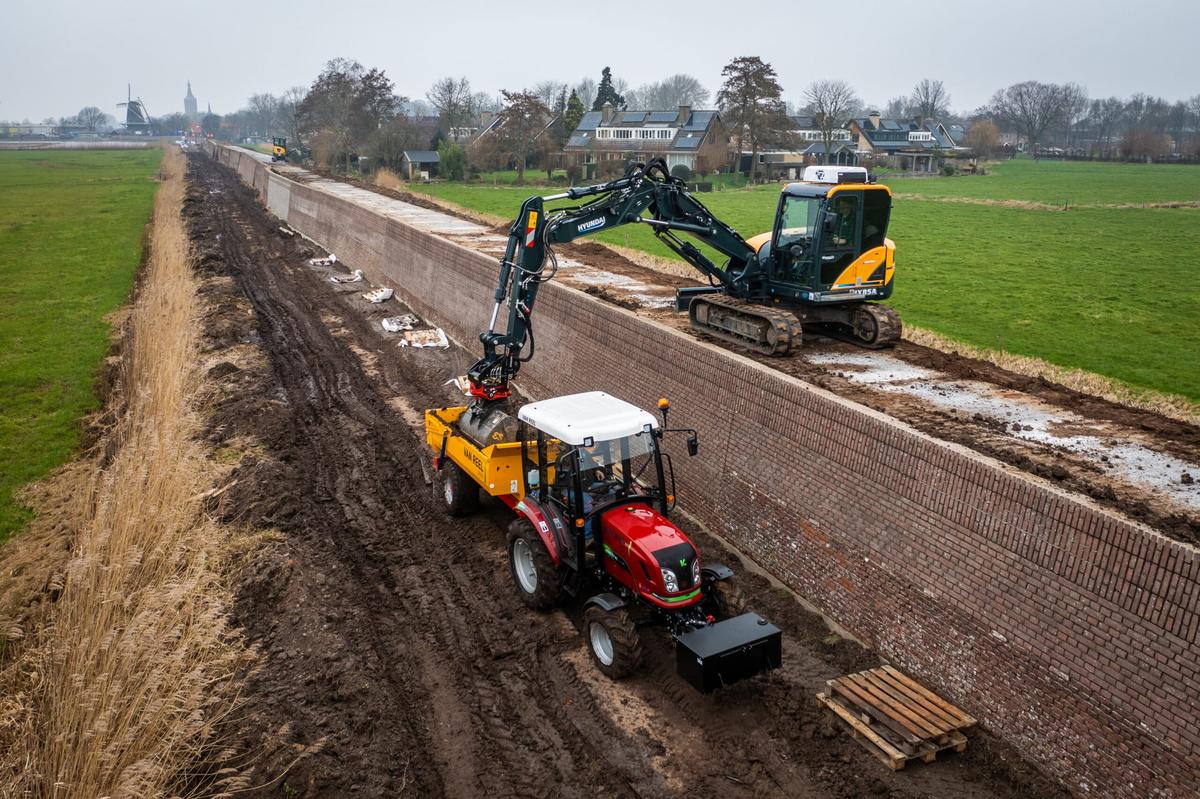
Would you like to know whether a STOLL front loader fits your tractor, or are you unsure whether to order it with the tractor or fit it later? Get in touch for an advice session or find a Knegt dealer near you. Still looking for a tractor? Request a free demo and see an electric Knegt with front loader at work on your own site.