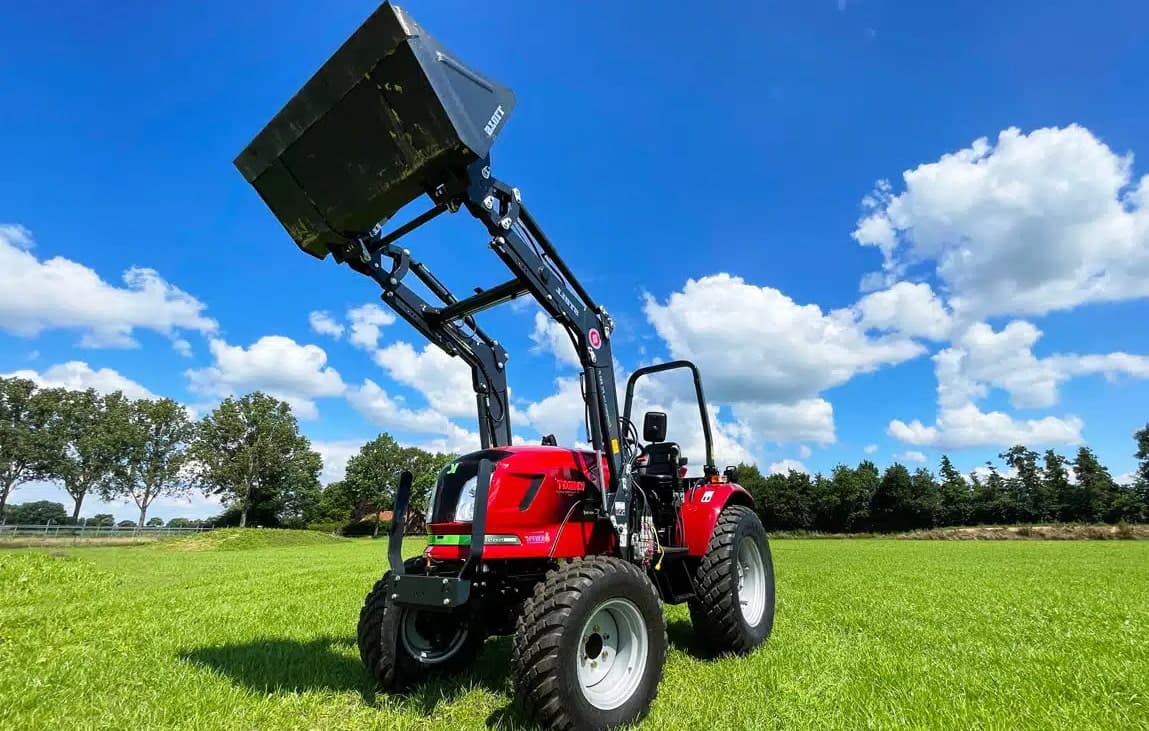
Do electric tractors exist? What they can do today
The short answer
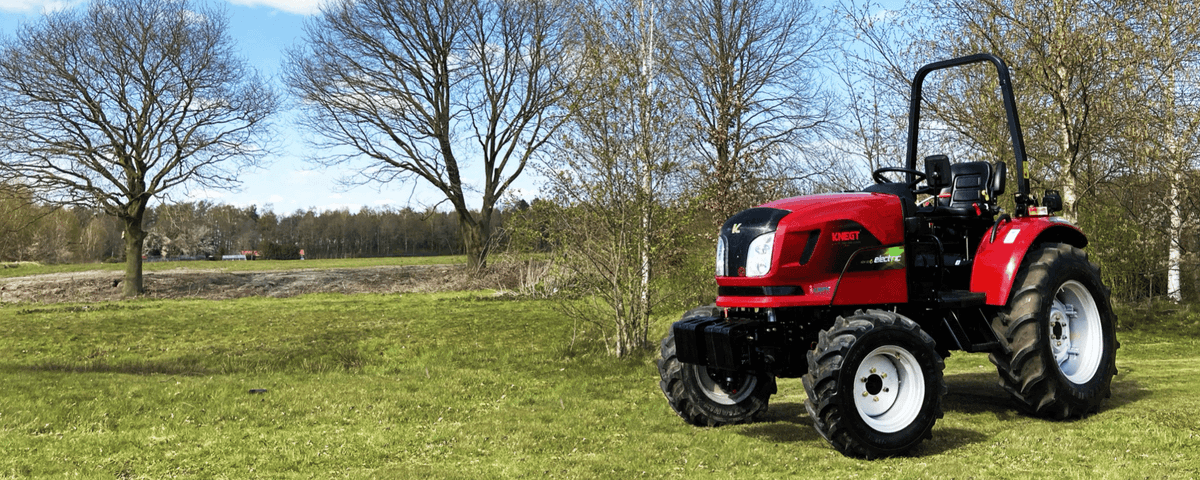
Yes. Electric tractors exist and you can buy one today. Knegt builds three 100% electric compact tractors: the 304G2E (45 hp), the 404G2E (55 hp) and the 504G3E (65 hp), with prices starting from € 37,950 to € 52,950 excl. VAT.
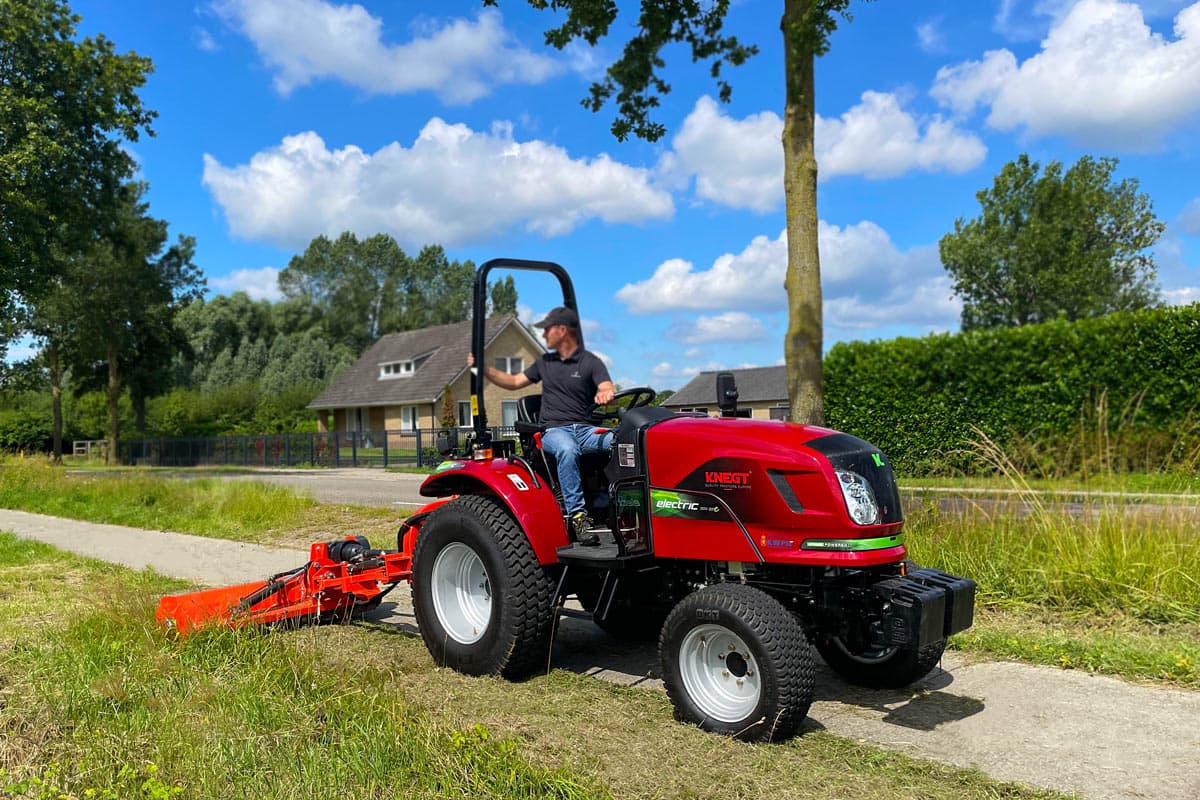
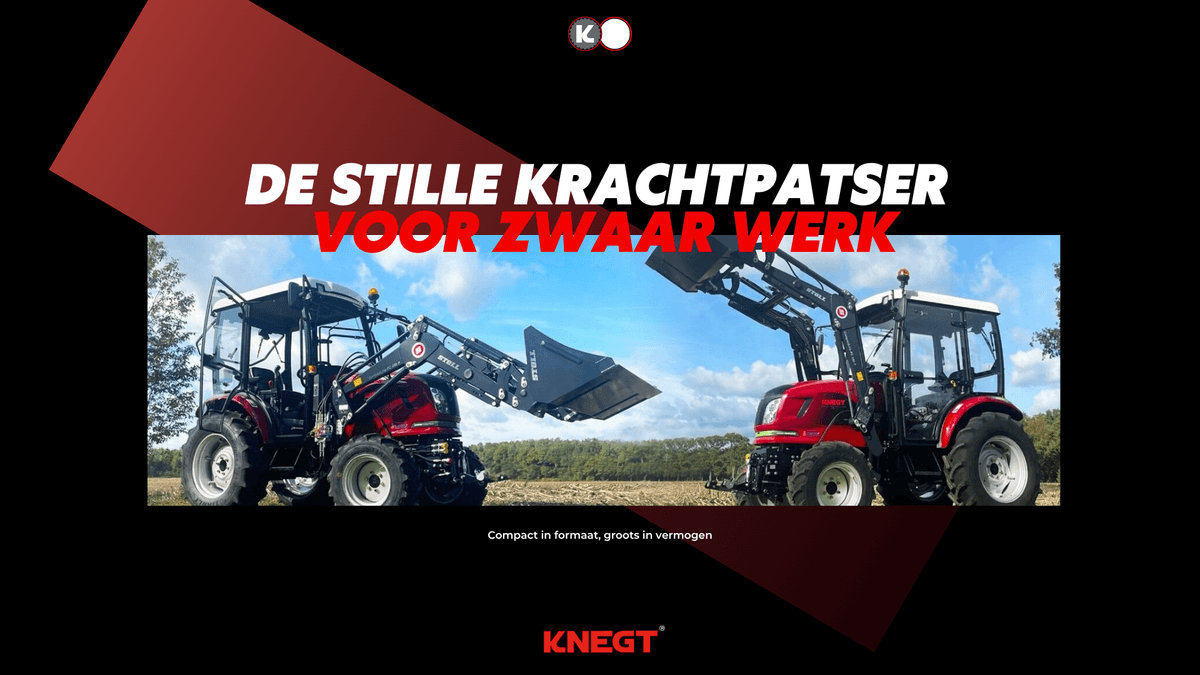
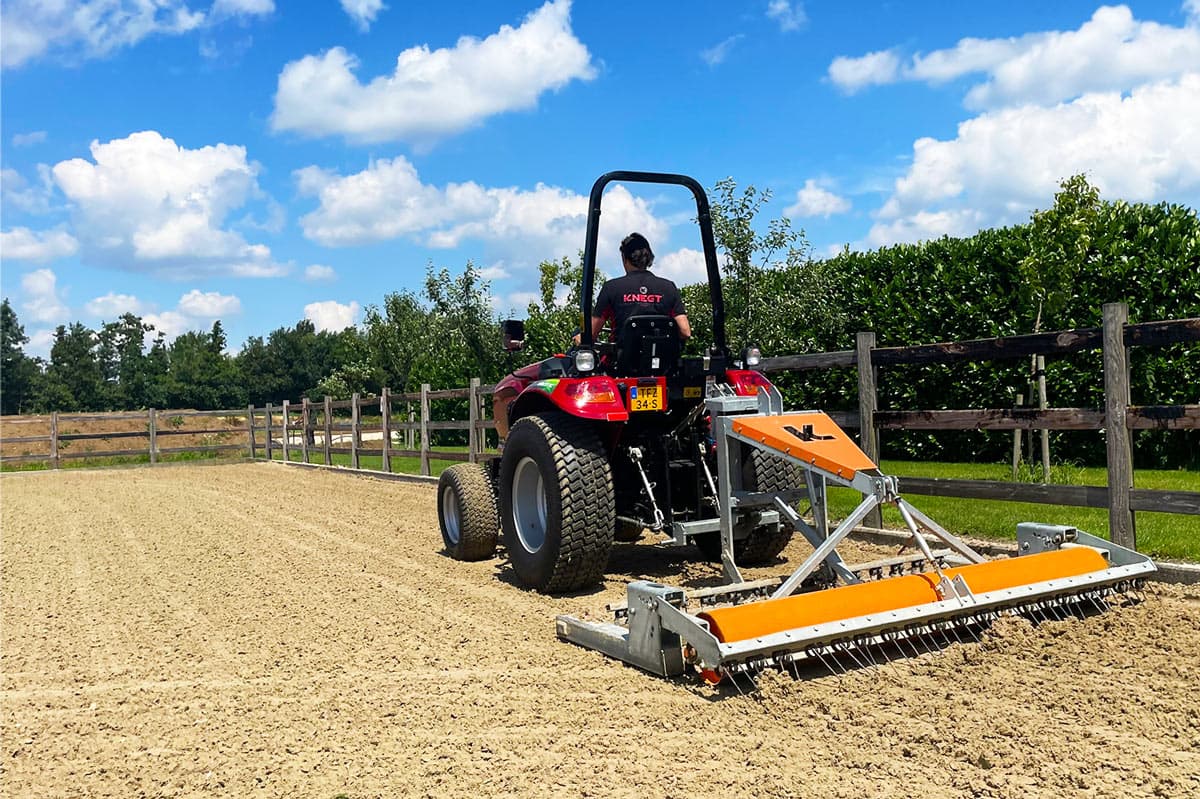
An electric compact tractor mows, sweeps, loads, pulls and transports just like a diesel tractor, but quietly and without exhaust fumes. The big difference is the energy source: you work on a battery that lasts 3 to 9 hours depending on the model, workload and battery choice, and you can top it up during the day.
Electric tractors are no longer a thing of the future
Everyone knows electric cars and vans, but fewer people know that electric tractors are on the market too. Knegt has been developing and building compact tractors in its own workshop in Veldhoven, the Netherlands, since 2006, originally for the equestrian sector. According to Knegt, the company was the first in the world to build a 100% electric compact tractor.
Electric Knegt tractors are used in a wide range of sectors:
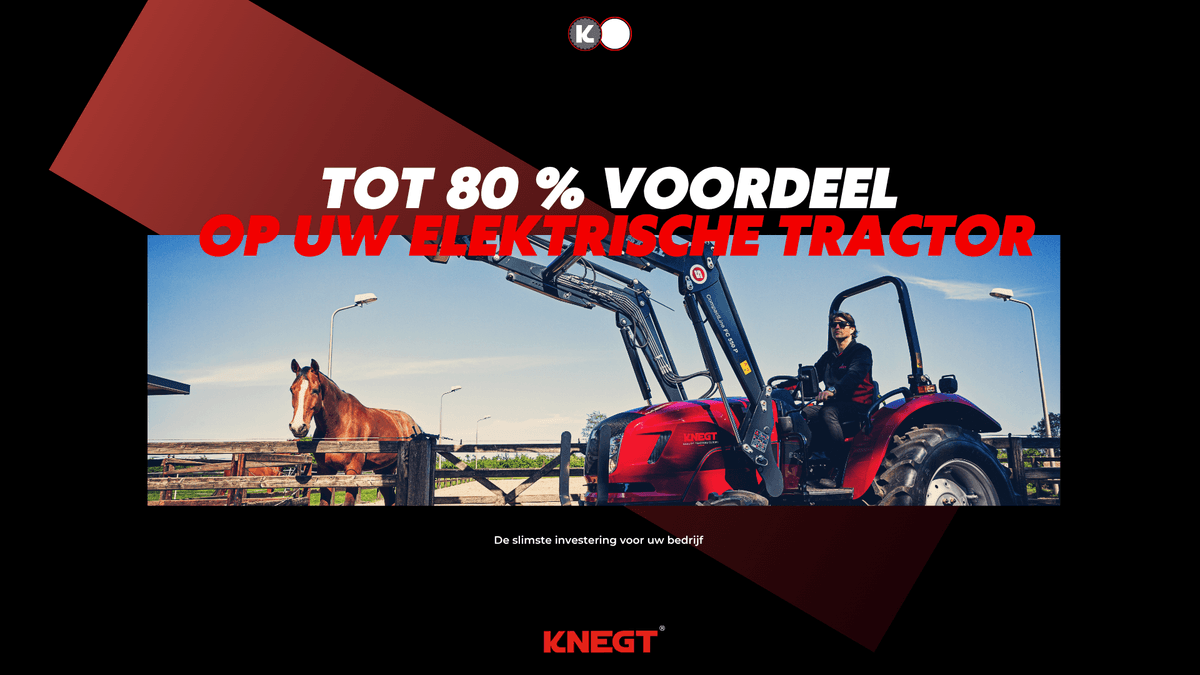
- equestrian centres and riding schools
- nurseries, horticulture and greenhouses
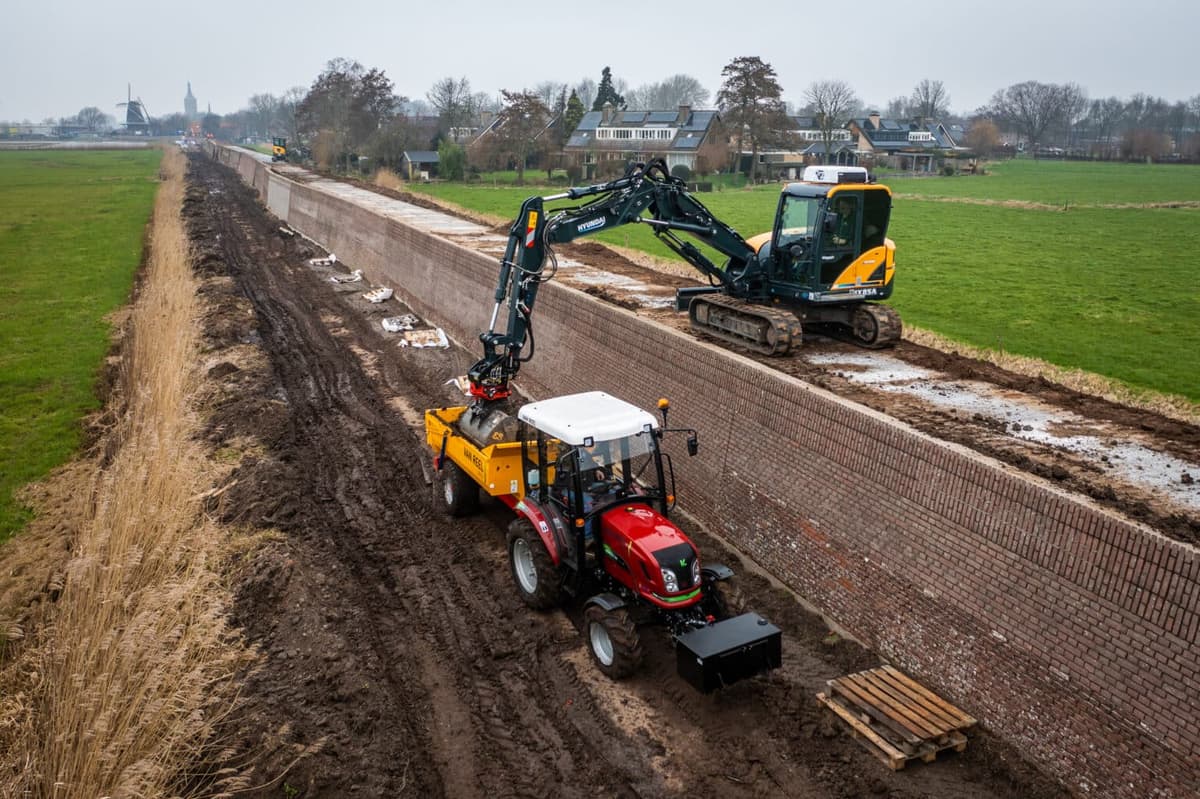
- landscaping, municipalities and nature management
- sports facilities and golf courses
- leisure and amusement parks
- livestock farming and construction
What these sectors have in common: much of the work happens close to people, animals or crops, often in or around buildings. That is exactly where quiet, zero-emission work makes the difference.
How does an electric tractor work?
Instead of a diesel engine, an electric tractor has electric motors powered by a battery. Knegt uses two separate motors: one for driving and one of 15 hp for the hydraulics. This means you keep hydraulic power available for a front loader or implement, even while driving.
- 304G2E: 30 hp drive motor + 15 hp hydraulics
- 404G2E: 40 hp drive motor + 15 hp hydraulics
- 504G3E: 50 hp drive motor + 15 hp hydraulics
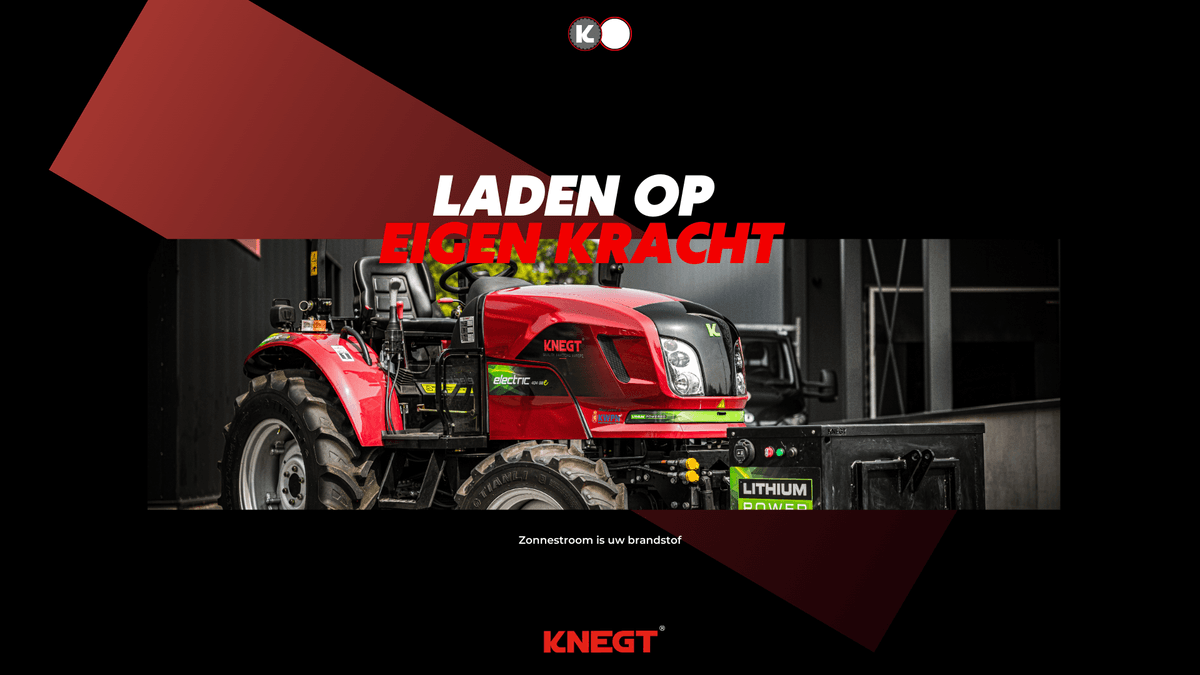
The tractors have a lithium battery. Knegt offers a 24 kWh and a 34 kWh battery, rated for 3,500 charge cycles. You charge from a standard 230V socket (8 to 10 hours) or with a fast charger, which brings the battery to 80% in about 2.5 hours. An extra battery pack extends the working time for long days.
What can an electric tractor do, and what not?
Electric does not mean light or weak. An electric motor delivers its full torque instantly, which you notice when pulling away, pushing and loading. According to Knegt, the tractors can move up to 35,000 kilos.
What an electric Knegt can do:
- mow, mulch, sweep and drag with implements on the three-point hitch
- drive PTO-powered implements: the 404G2E and 504G3E have a PTO with 540 and 1,000 rpm
- lift with the hitch: 665 kg (404G2E) or 1,100 kg (504G3E), measured 61 cm behind the ball
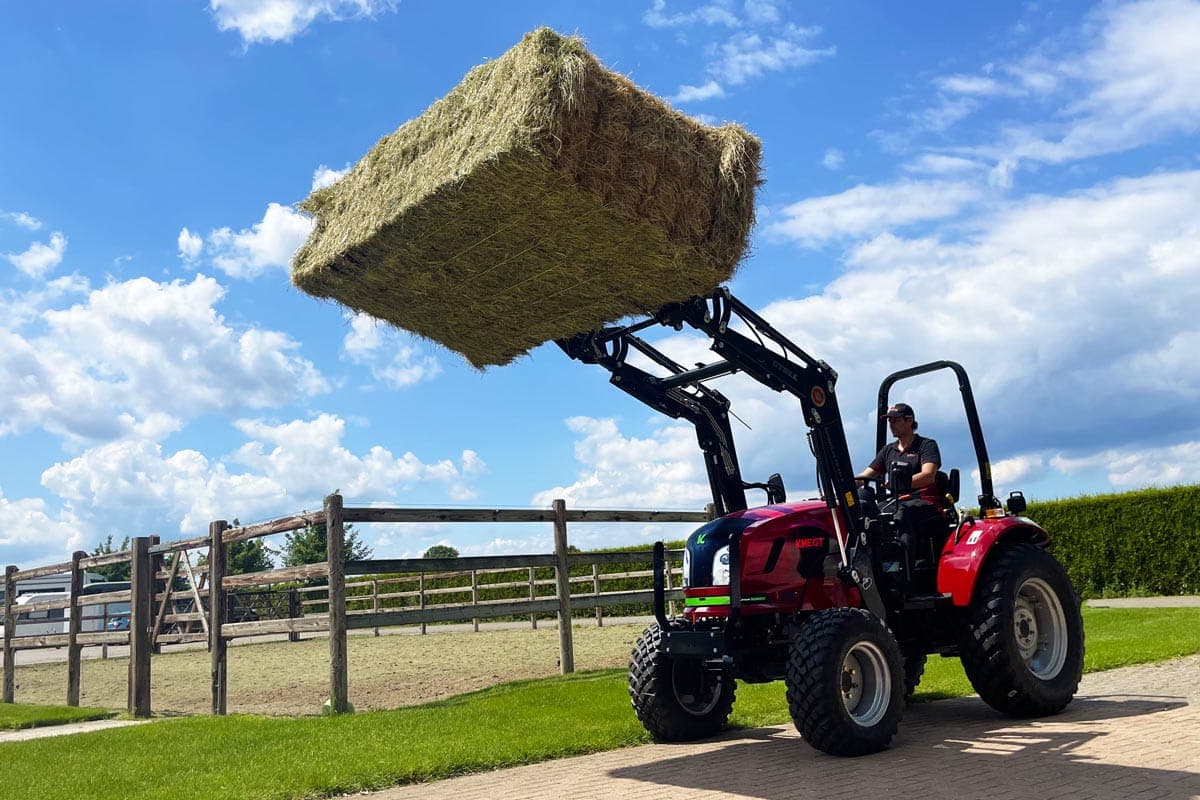
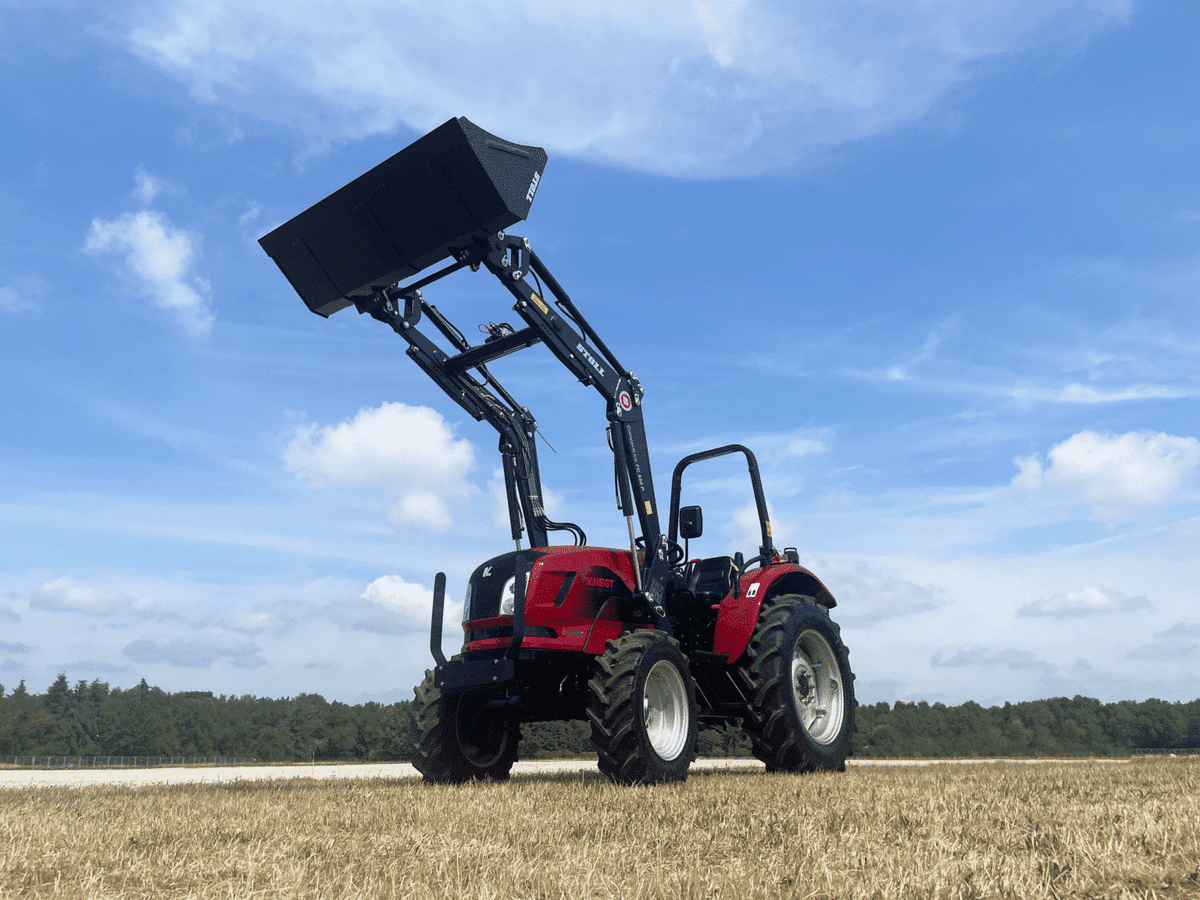
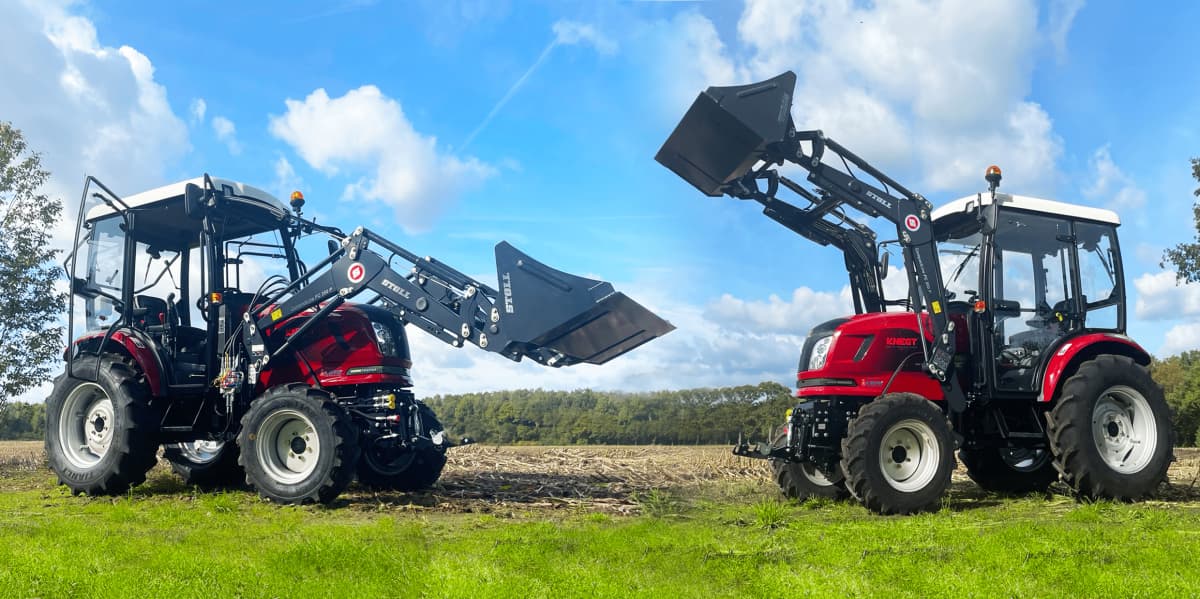
- load with a Stoll front loader, with four-wheel drive and power steering
- drive on public roads: the tractors are CE-approved and road-legal in Europe
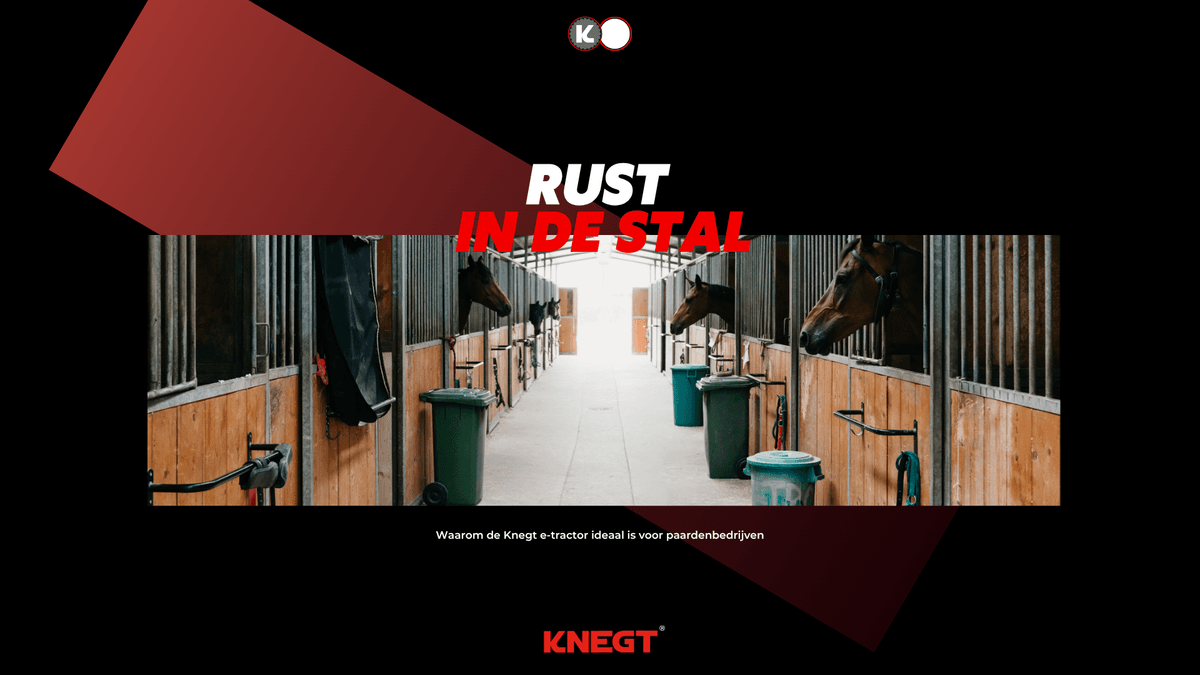
- work indoors in stables, greenhouses and halls, without exhaust fumes
What to keep in mind:
- Working time per charge is limited. For long, heavy work without breaks you will need to top up or use an extra battery pack.
- Charging takes time. Plan it in, for example during the lunch break or overnight.
- You need a place to charge. A standard 230V socket is enough; a fast charger is optional.
Electric or diesel: the differences at a glance
Alongside its electric range, Knegt also builds diesel tractors, so you can choose what suits your work.
- Noise: electric is almost silent, a diesel engine produces engine noise.
- Emissions: electric runs without exhaust fumes, so it can also work indoors.
- Energy: you charge an electric tractor from the socket, possibly with your own solar power; a diesel needs refuelling.
- Working time: a diesel is refuelled in minutes; electric works 3 to 9 hours per charge and can be topped up in between.
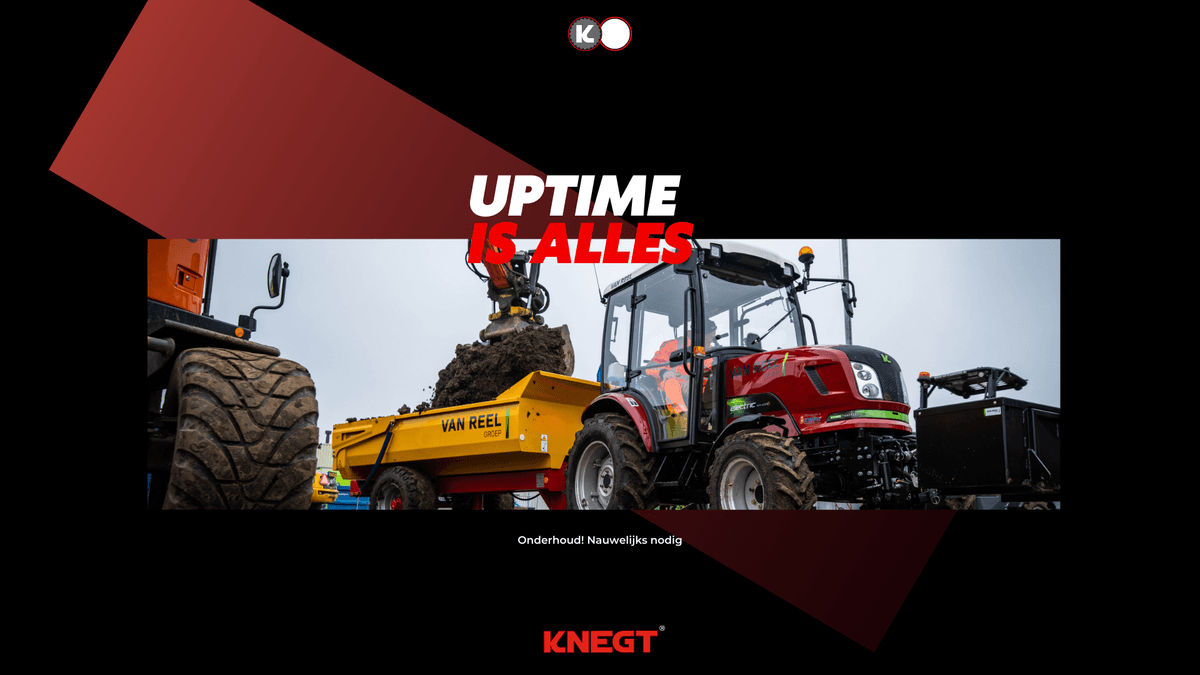
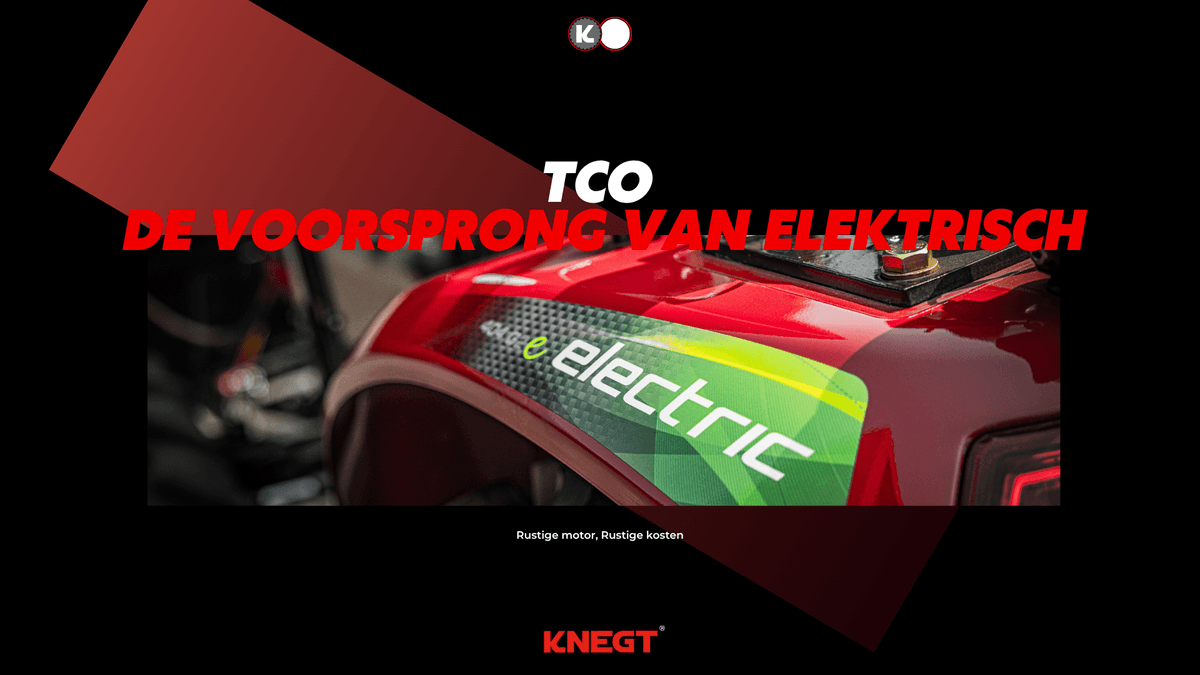
- Maintenance: an electric motor has no engine oil, fuel filters or injectors. Both types need a service every 350 hours or once a year.
- Costs: according to Knegt, its electric tractors are priced at the same level as or lower than comparable diesel tractors, and there are no diesel costs.
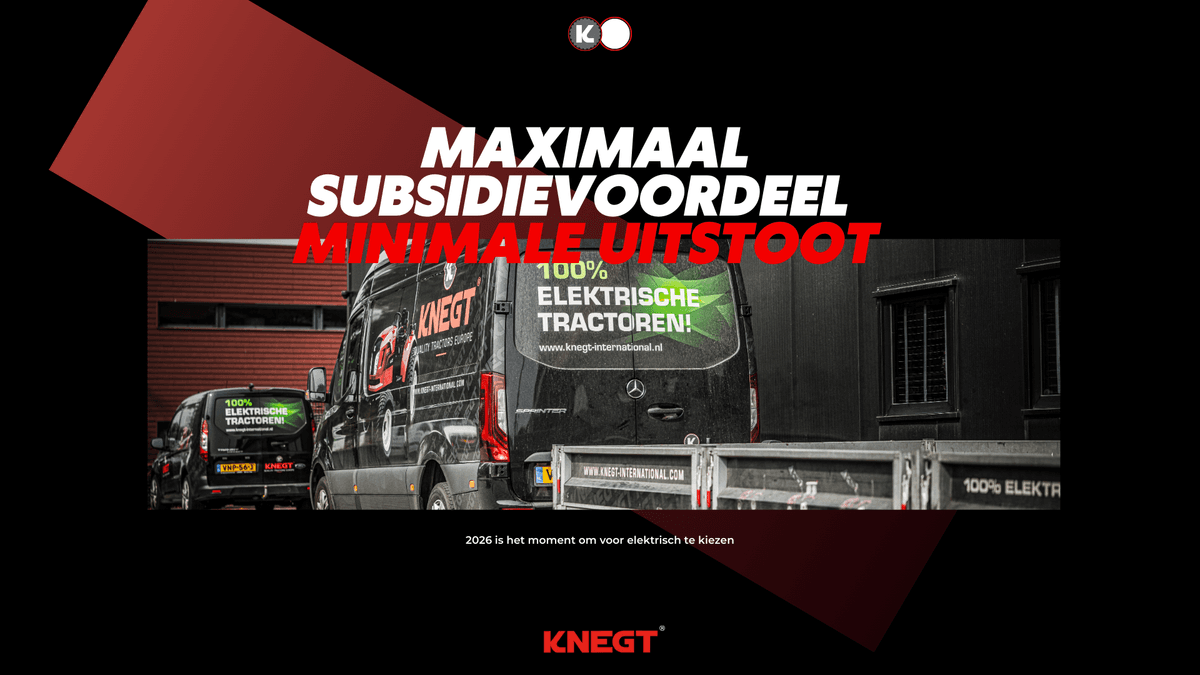
In the Netherlands, electrically powered mobile machinery is included in the Dutch government's Milieulijst 2026 (code 3413), which means Dutch businesses may qualify for the MIA and Vamil tax schemes under certain conditions. Other countries have their own incentives, so always check your situation with your accountant or adviser.
Frequently asked questions
Which electric tractors does Knegt offer?
The 304G2E (45 hp), the 404G2E (55 hp) and the 504G3E (65 hp). All three are 100% electric with a separate motor for the hydraulics, and are optionally available with a luxury cab and a Stoll front loader.
How much does an electric tractor cost?
Prices start from € 37,950 (304G2E), € 45,950 (404G2E) and € 52,950 (504G3E), excl. VAT. The price of your configuration depends on options such as cab, front loader and battery, so request a quote.
How long does the battery last?
3 to 9 hours per charge, depending on the model, workload and battery choice. The lithium battery is rated for 3,500 charge cycles.
Can I keep using my existing implements?
That depends on the required lifting capacity and PTO. The 404G2E and 504G3E have a PTO with 540 and 1,000 rpm. Ask a Knegt dealer to check the combination with your implement.
Experience what electric can do
Reading about an electric tractor is one thing, working with one tells you more. Request a free demo and experience the silence and instant power on your own site. Book an advisory meeting about the model and battery that suit your work, or find a Knegt dealer near you.