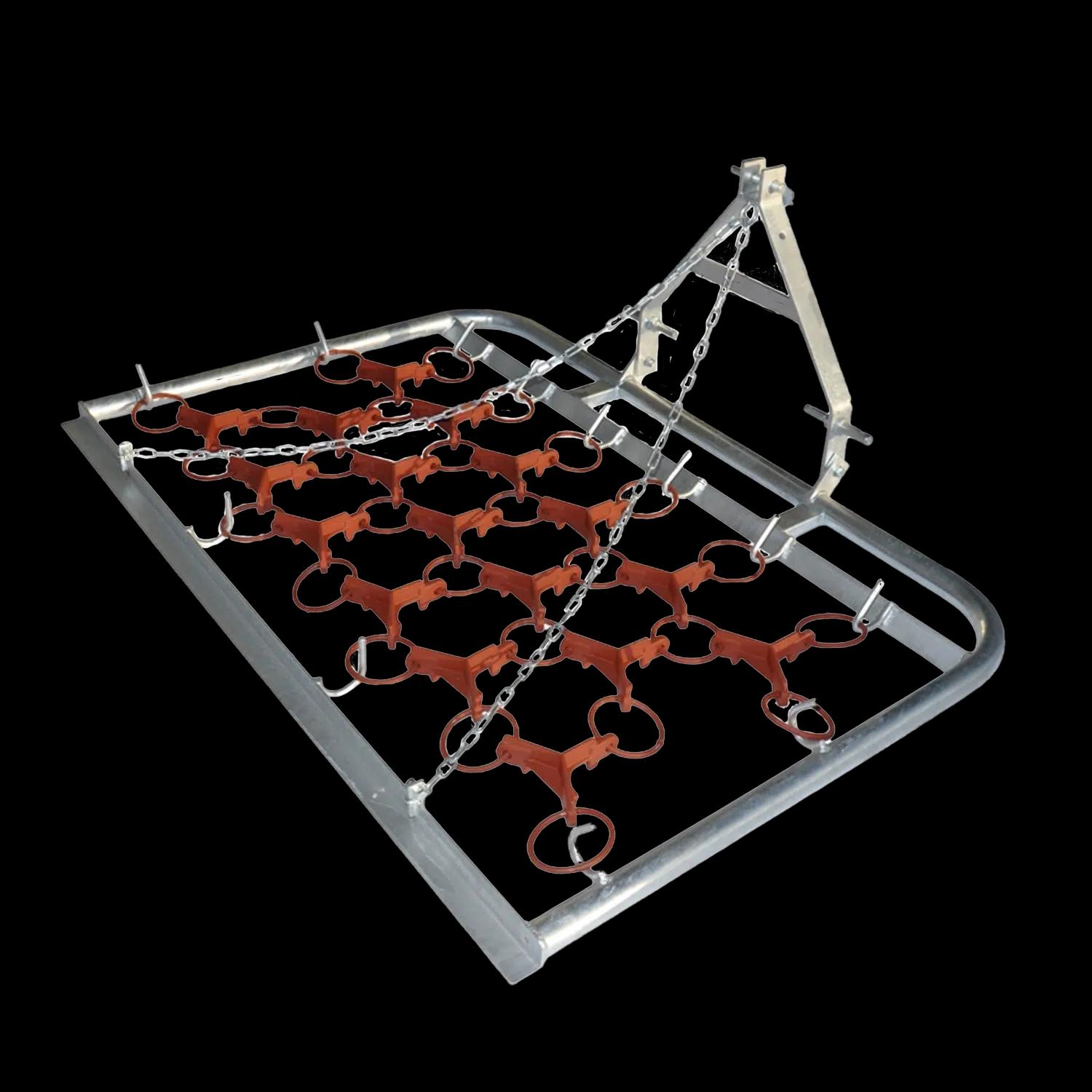
Pasture harrow for your tractor: when and how to harrow
The short answer
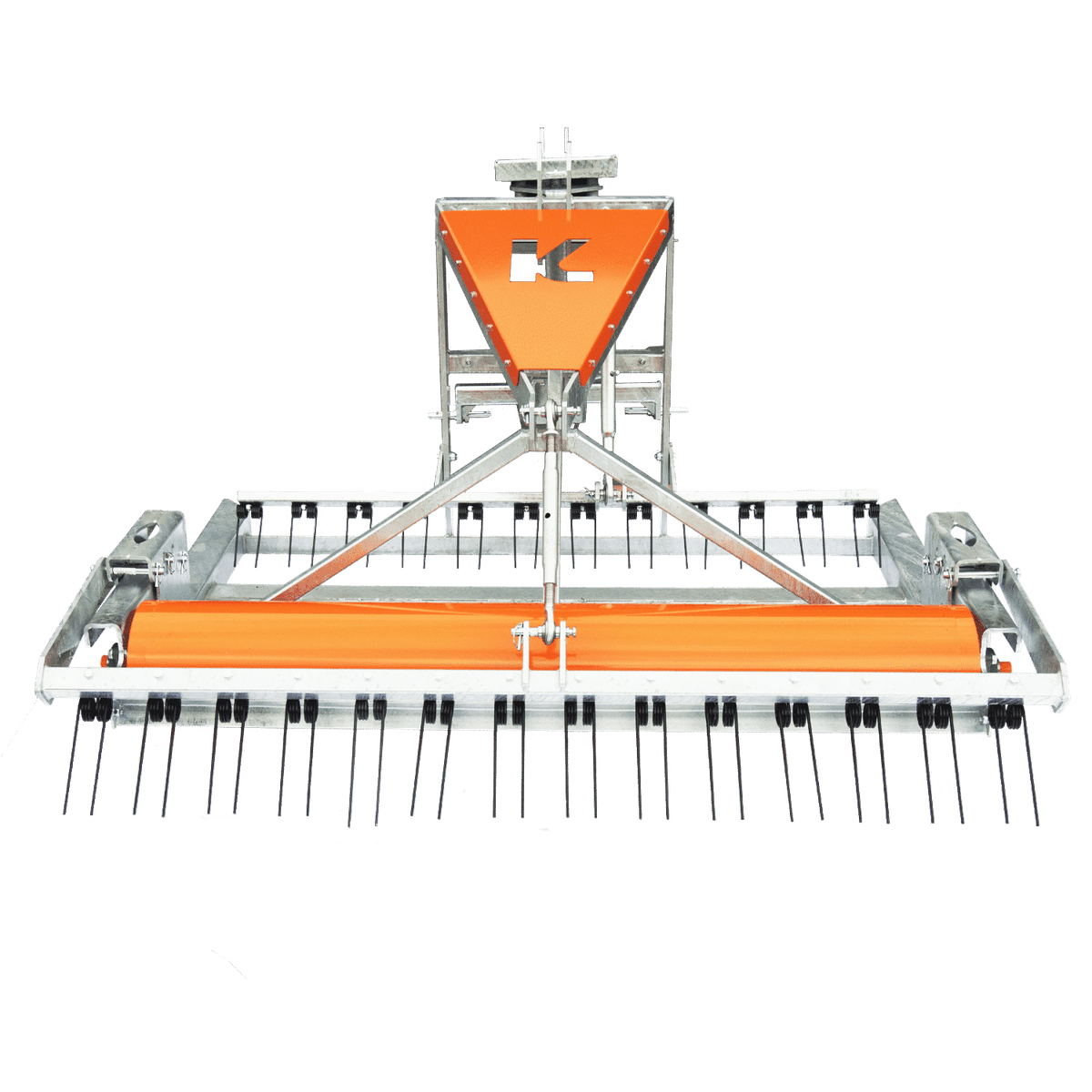
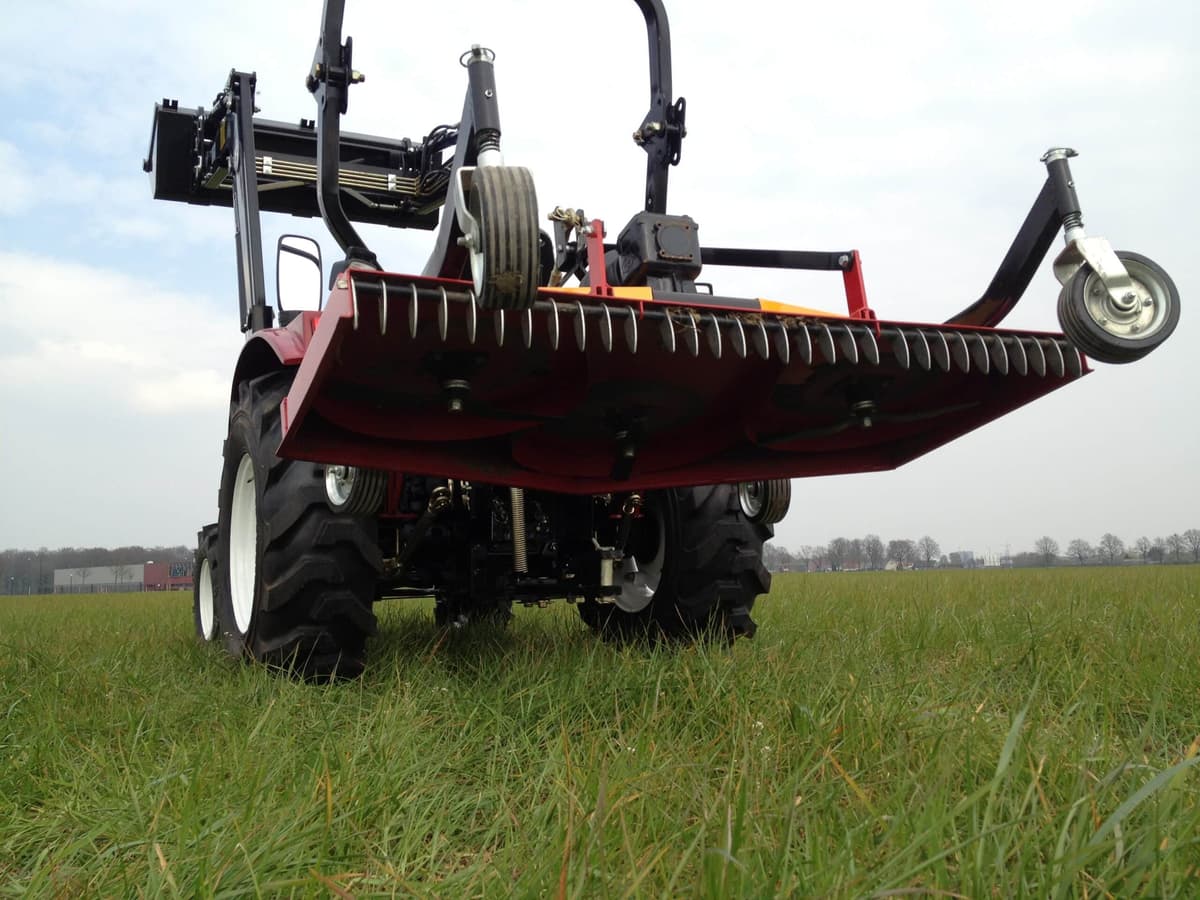
With a pasture harrow, also called a chain harrow or grassland harrow, you pull a frame of tines or links across the grass. It spreads manure, levels molehills and small bumps, and rakes out dead plant material. The best time is in spring, as soon as the soil is dry enough to drive on and before the grass starts growing strongly. You can also harrow after a grazing period.
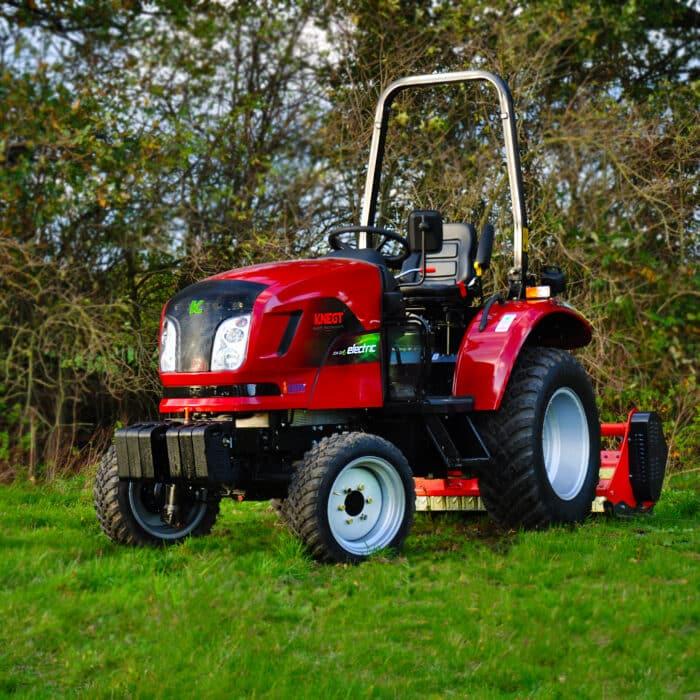
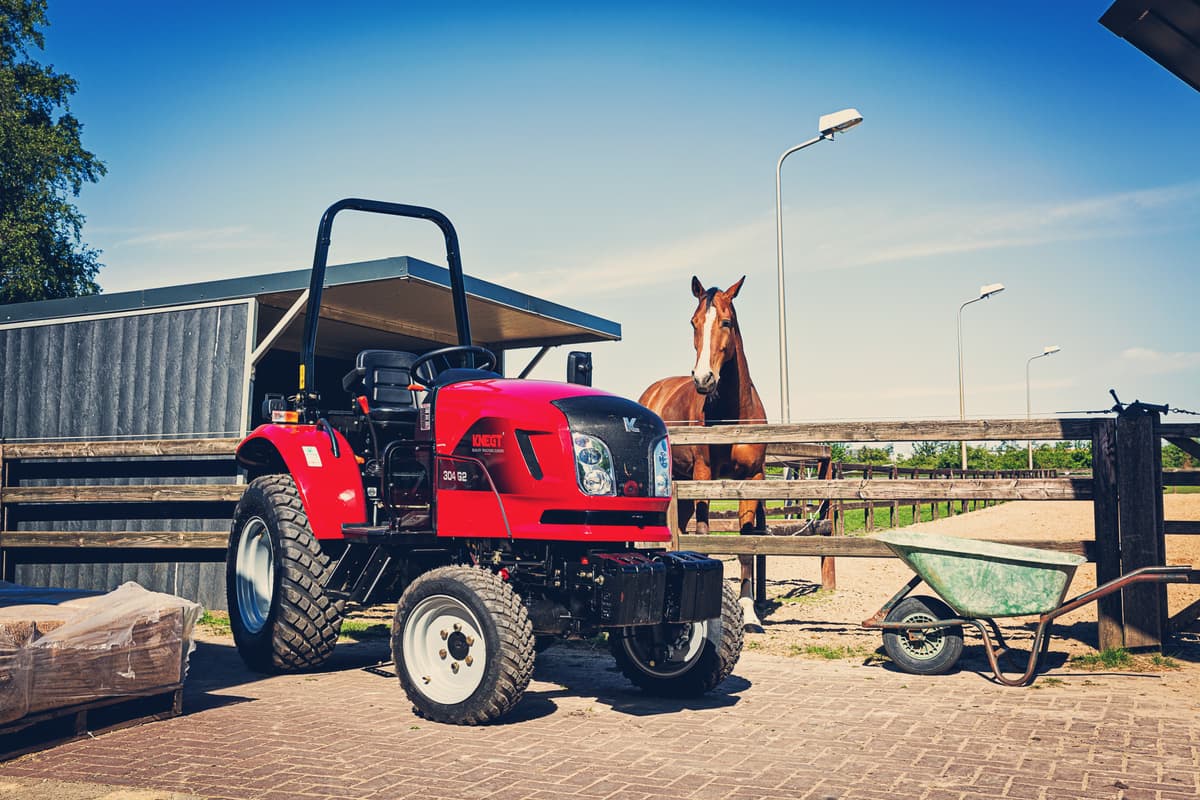
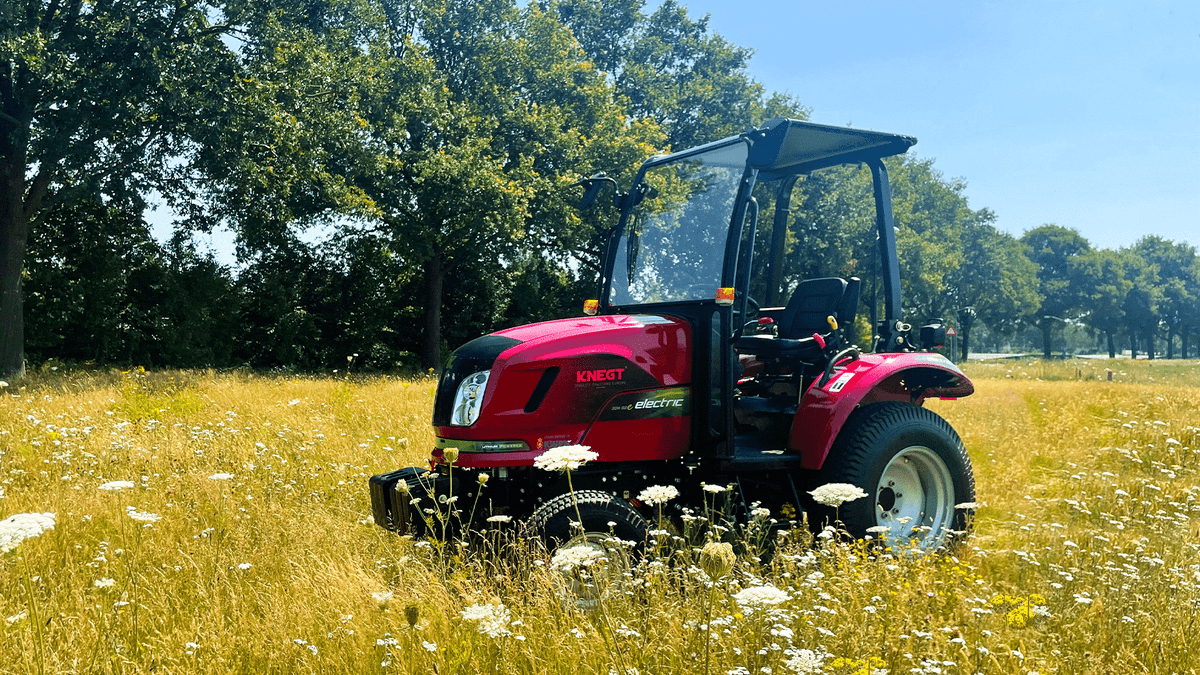
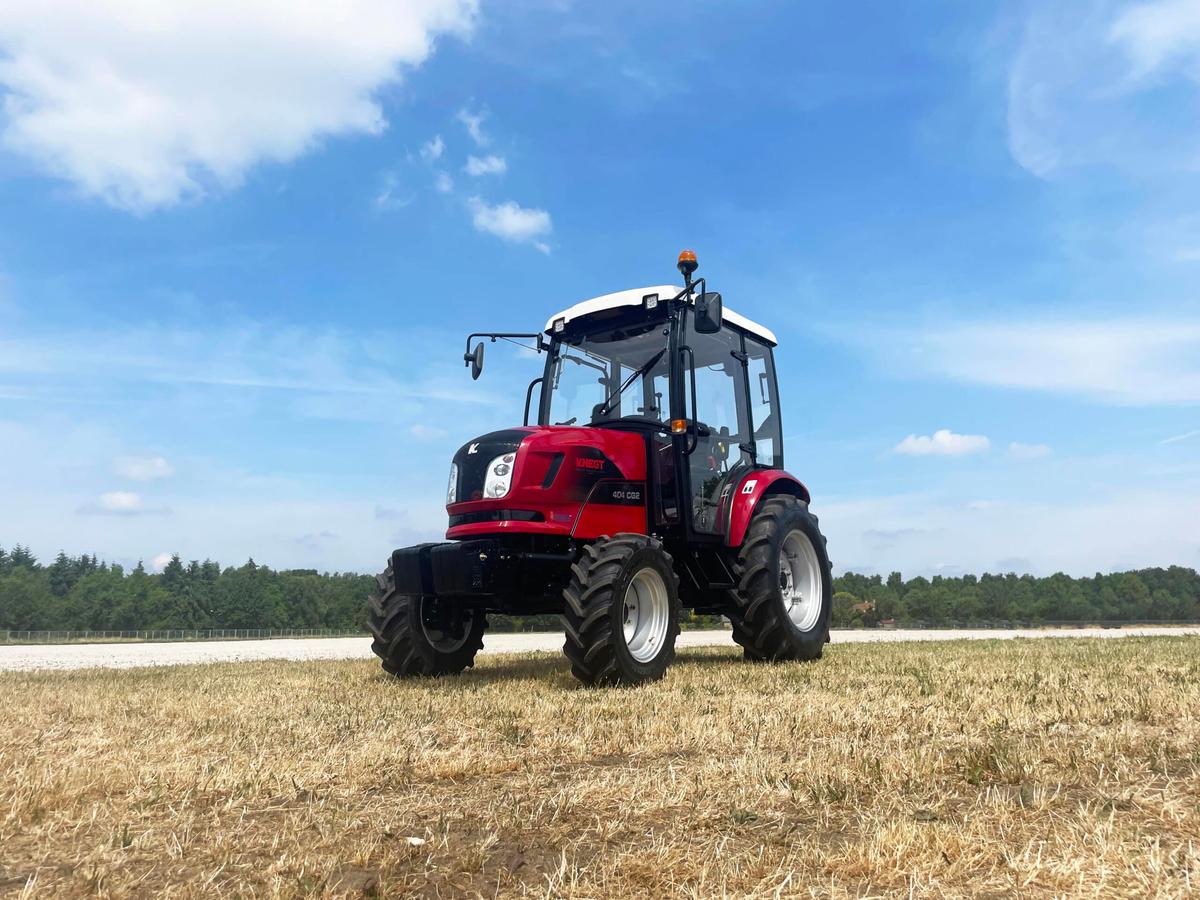
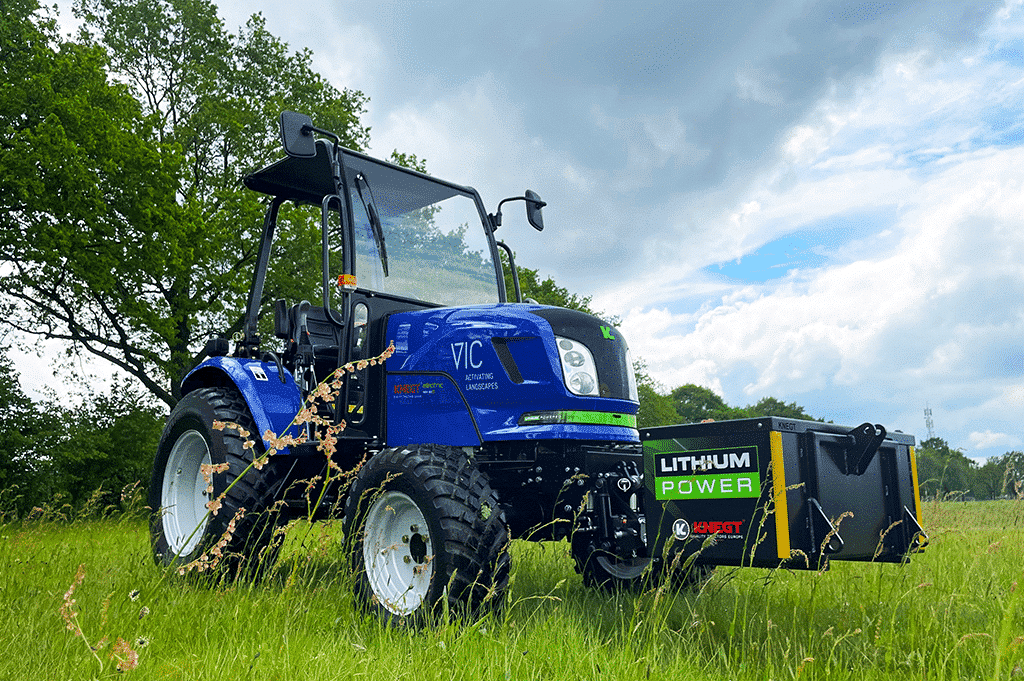
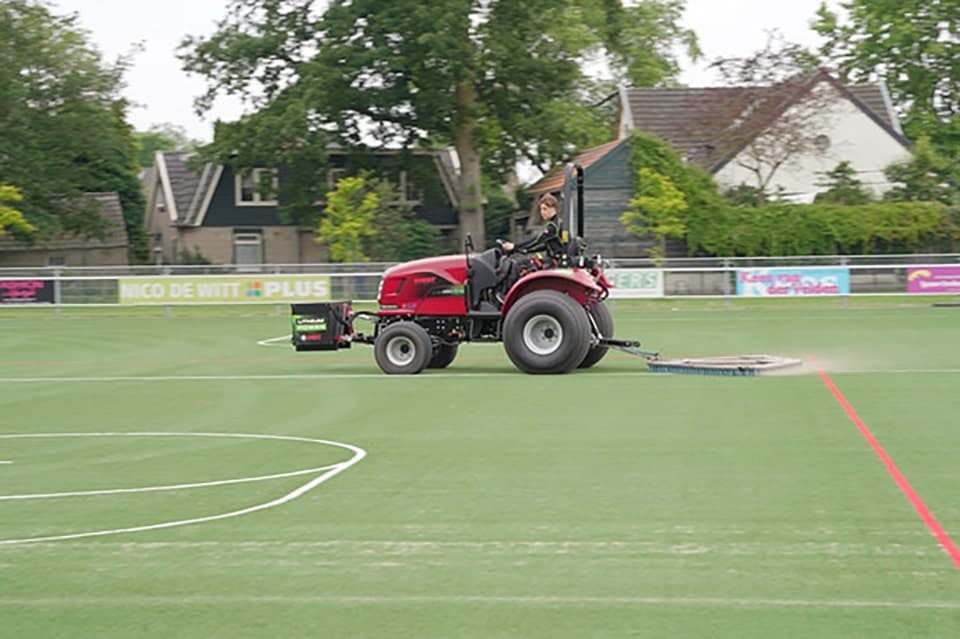
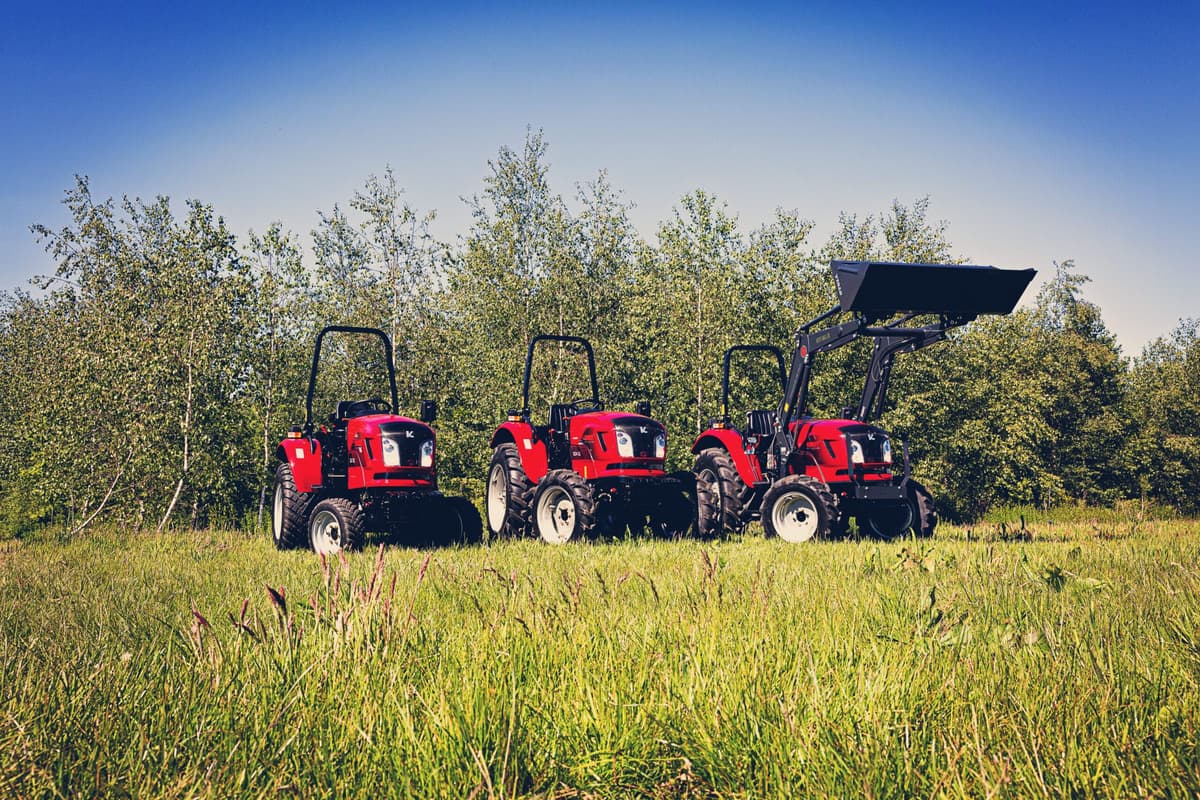
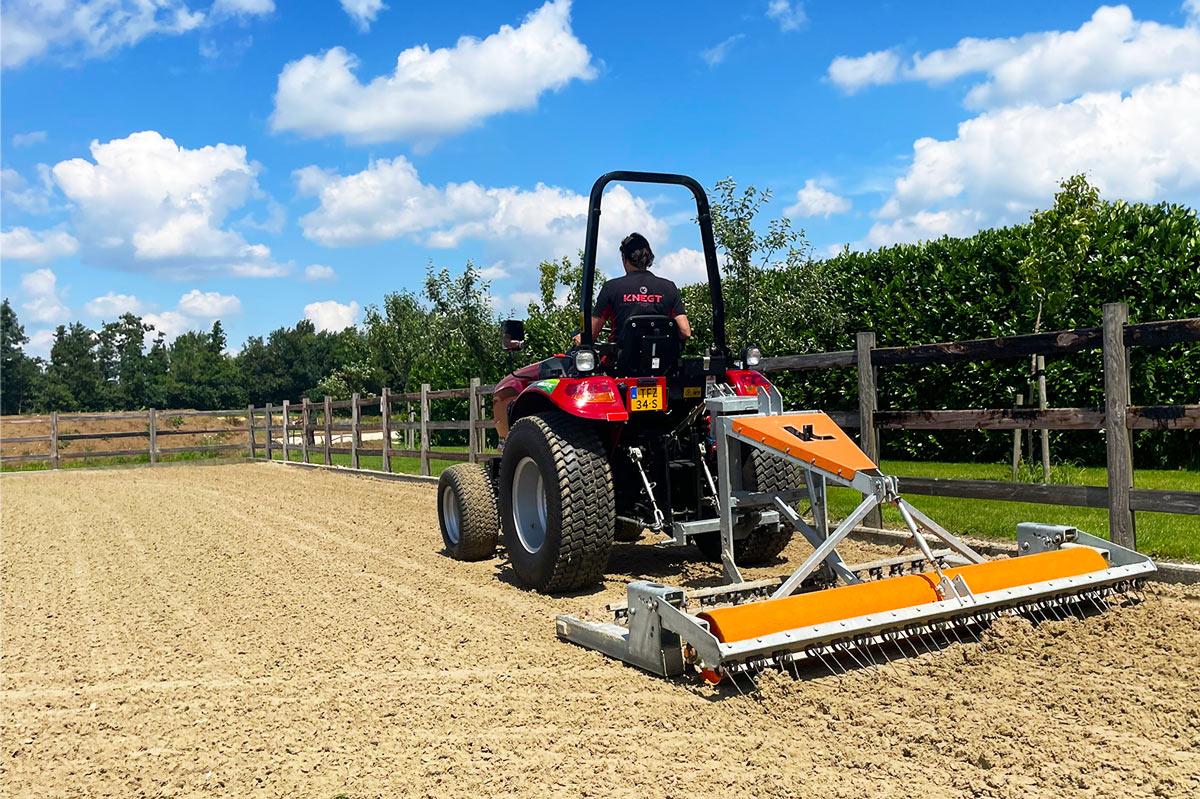
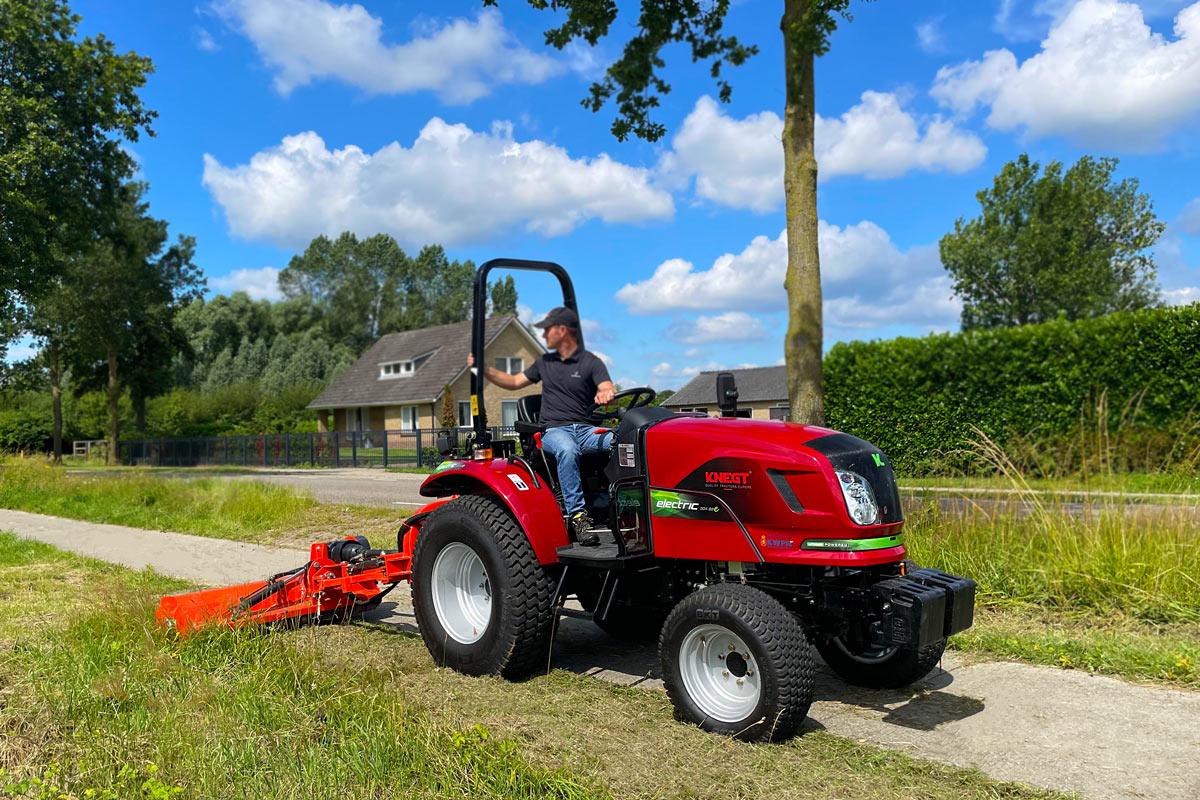
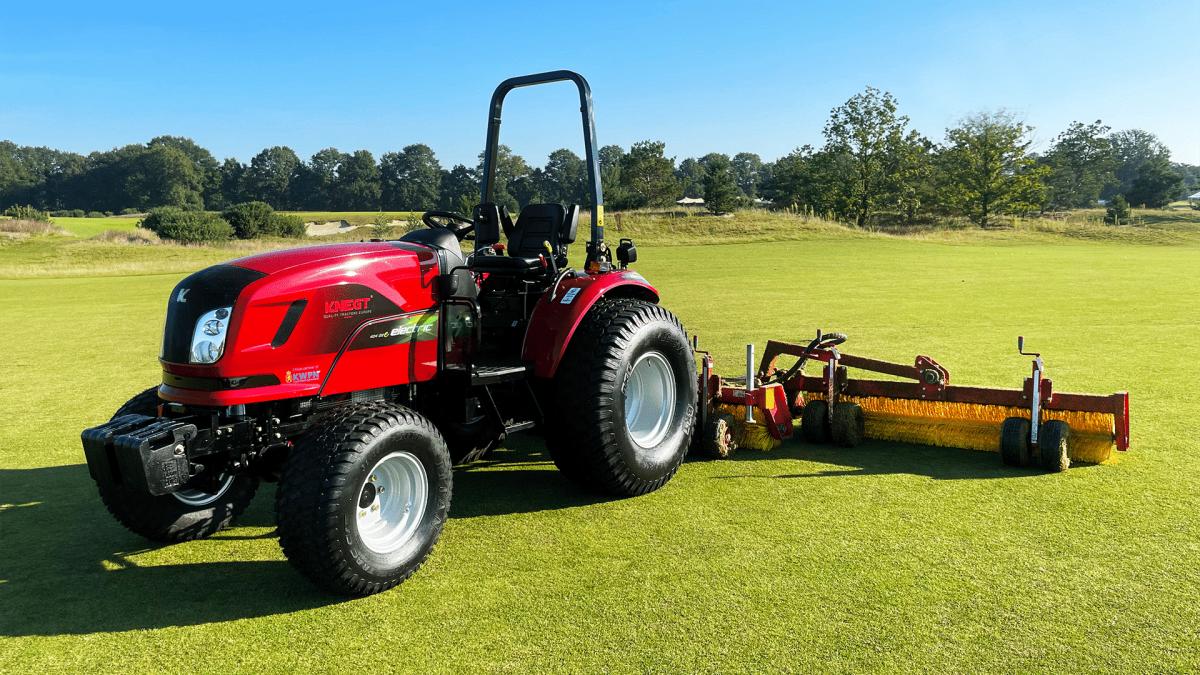
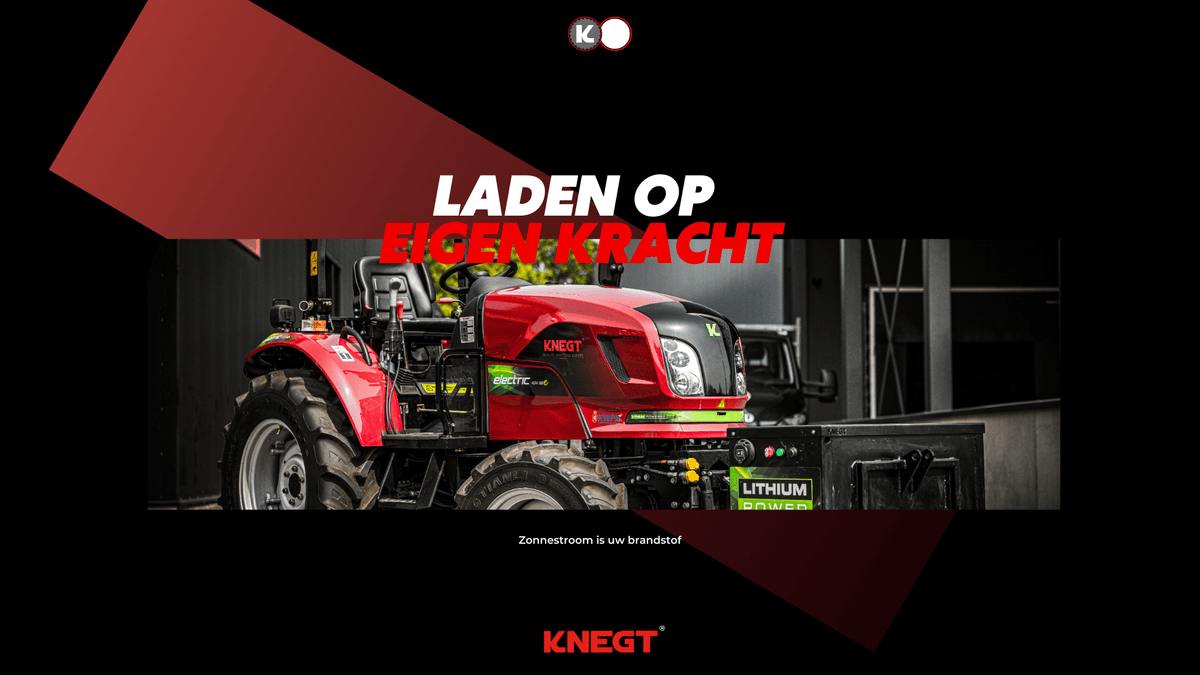
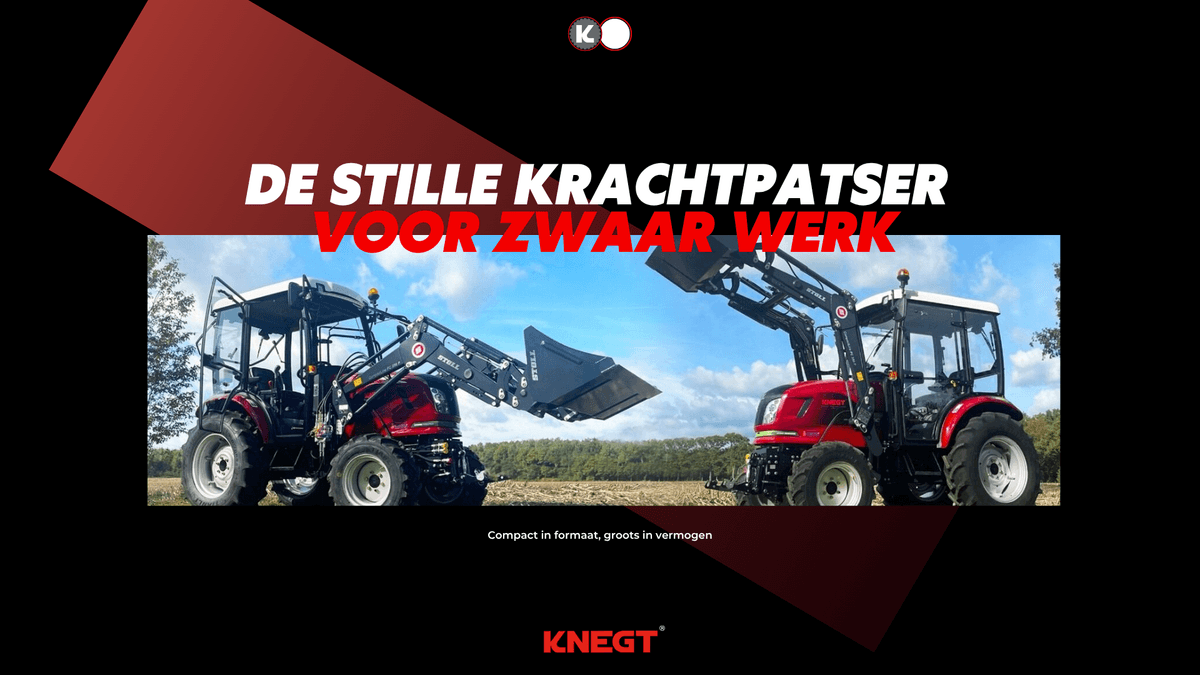
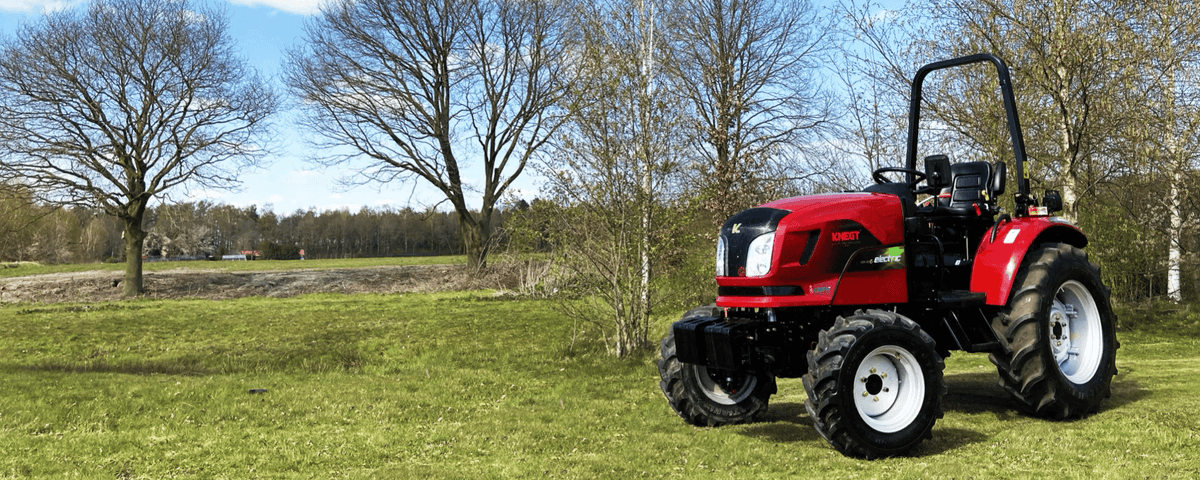
Knegt supplies the WS200 pasture harrow, designed for horse paddocks and pastures. You pull it with a compact tractor such as the electric compact tractors 304G2E, 404G2E or 504G3E.
What does a pasture harrow do?
A pasture harrow is one of the simplest implements for grassland management. It has no drive: the tractor pulls it across the field and the tines or links do the work. Even so, harrowing has a clear effect in a few areas:
- Spreading manure: dung piles and pats are pulled apart and spread over a larger area, so there are fewer patches where the grass is left standing or dies off.
- Levelling: molehills, hoof prints and small hollows are pulled flat. That makes the pasture easier to mow and safer for animals.
- Raking out: dead plant material and a layer of thatch are loosened, so light and air reach the sward more easily.
- Preparing: after harrowing, the soil is open for overseeding or fertilising.
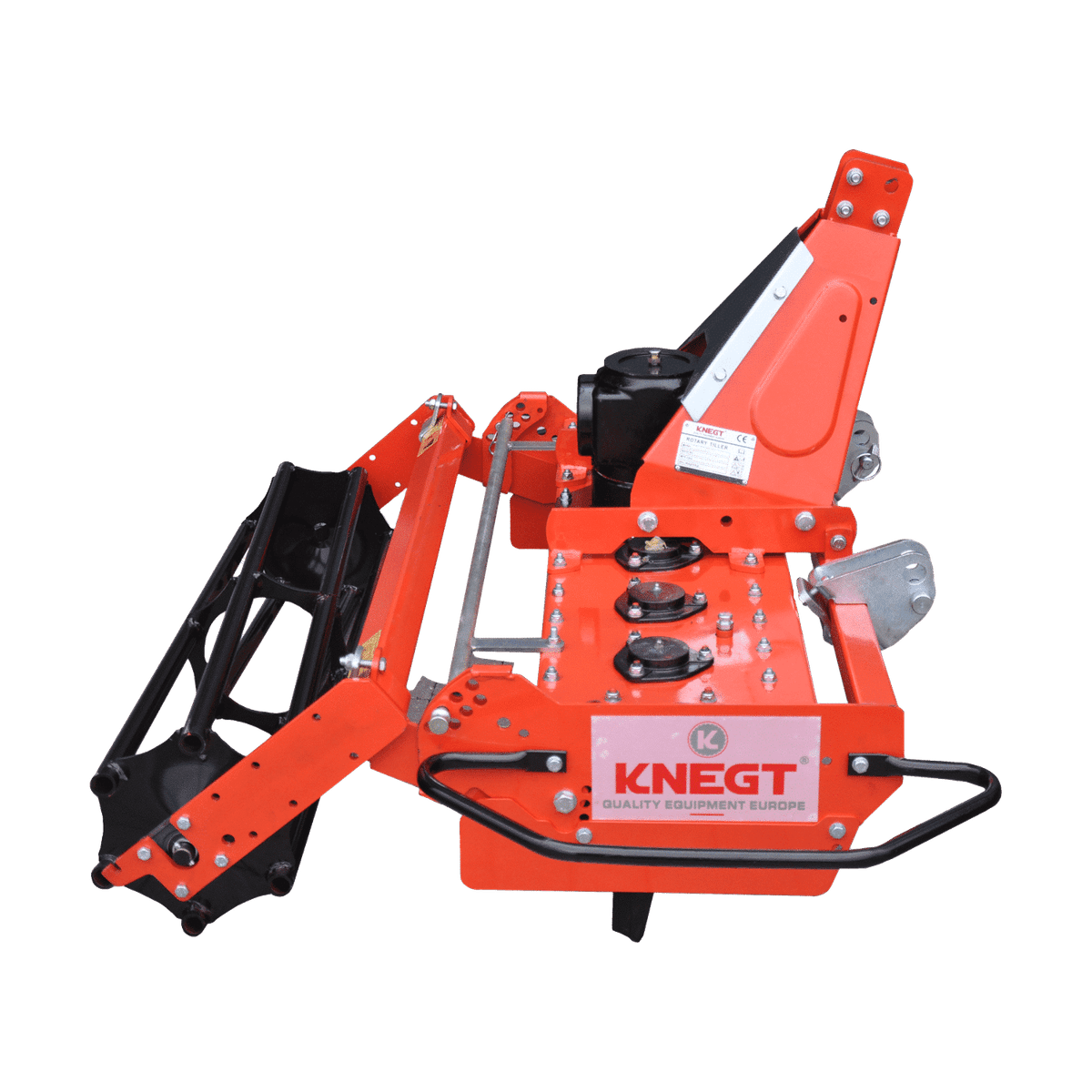
A pasture harrow does not replace a mower or soil cultivation. It is meant for light maintenance of grassland that is already fairly level. For deeper work on an arena or paddock, use an arena leveller or rotary harrow.
When should you harrow your pasture?
Timing largely determines the result. Harrowing when it is too wet damages the sward; harrowing too late tears out young grass. Keep these rules of thumb in mind:
- Early spring: the most important pass. Wait until the soil is dry enough to carry the tractor without leaving ruts, but harrow before the grass really starts to grow.
- After grazing: take the animals off the field and spread the manure. Then let the pasture rest before using it again.
- After molehills or poaching: level on a dry day if possible, so the soil crumbles well.
- Not on wet or frozen ground: you will smear the top layer shut or pull out tufts of grass.
On horse pastures, manure is often collected as well. Harrowing spreads manure but does not remove it. If you want to know what suits your animals and the way you use your pasture, discuss it with your vet or adviser.
How to harrow your pasture in 5 steps
- Check the conditions: walk the field, check that the ground can carry the tractor and remove stones, branches and other debris.
- Hitch up the harrow: attach the pasture harrow to the tractor and check that the tines and links move freely and are undamaged. Set the working position according to the harrow's manual.
- Drive a fixed pattern: work in strips with a small overlap so you do not miss any. Drive calmly and evenly; going too fast makes the harrow bounce.
- Turn wide and gently: do not turn sharply on the sward, especially with heavy tyres. Turf tyres help protect the grass.
- Assess the result: are dung piles and molehills spread properly? If necessary, make a second pass, for example at right angles to the first.
Ideally, plan overseeding or fertilising right after harrowing, while the soil is open.
Which Knegt tractor suits a pasture harrow?
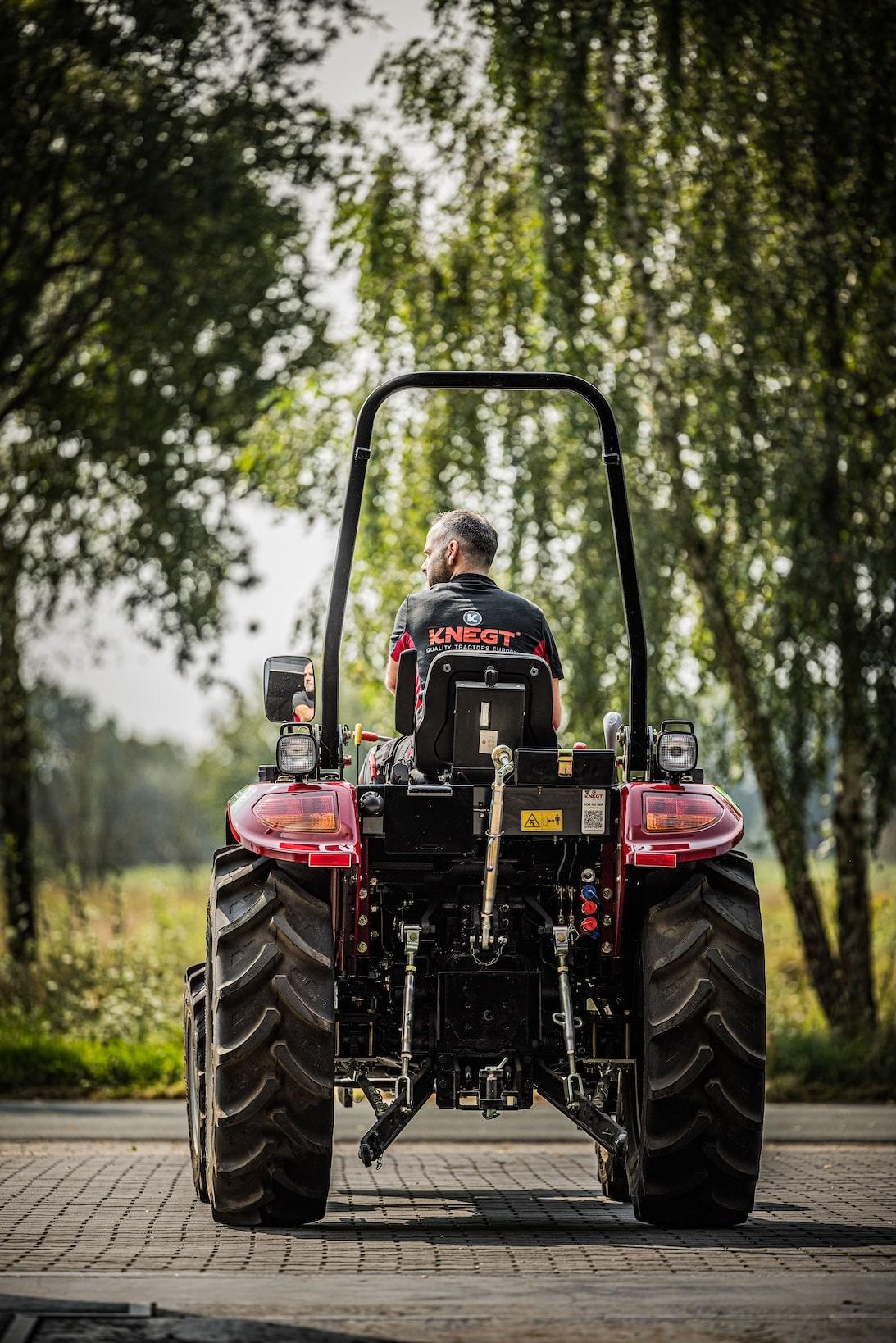
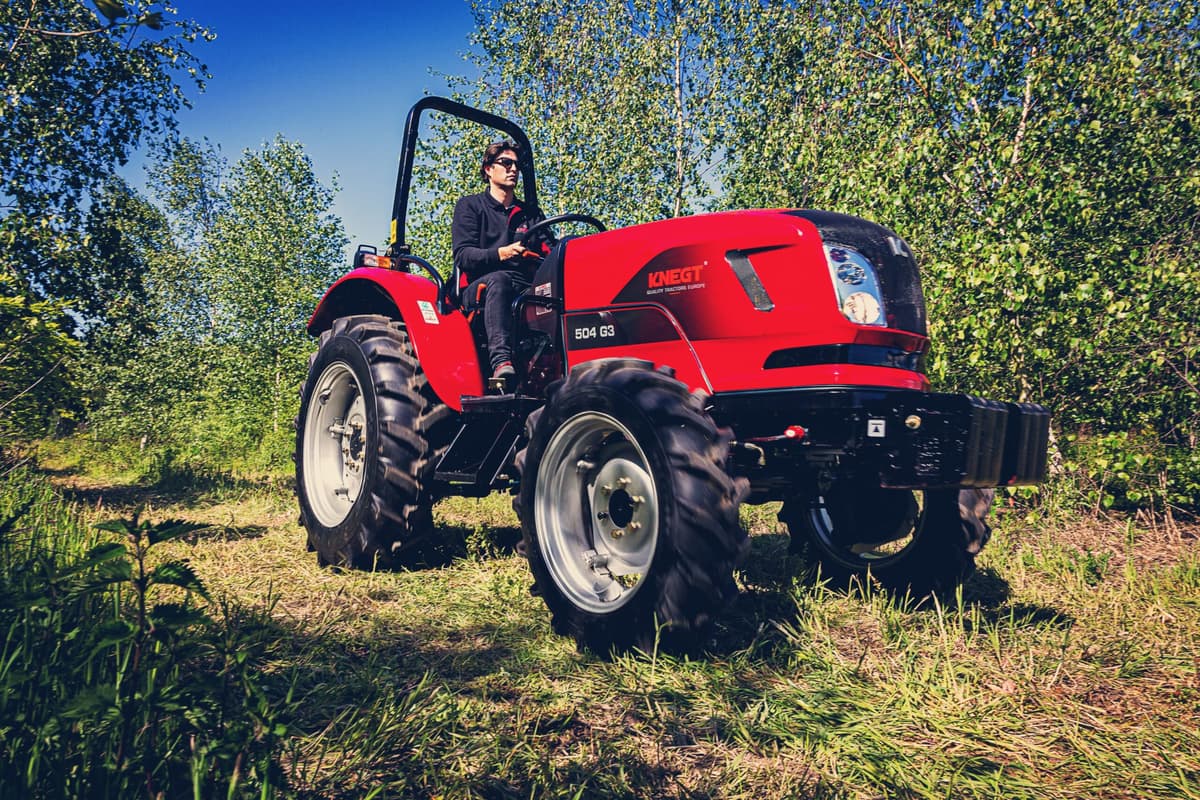
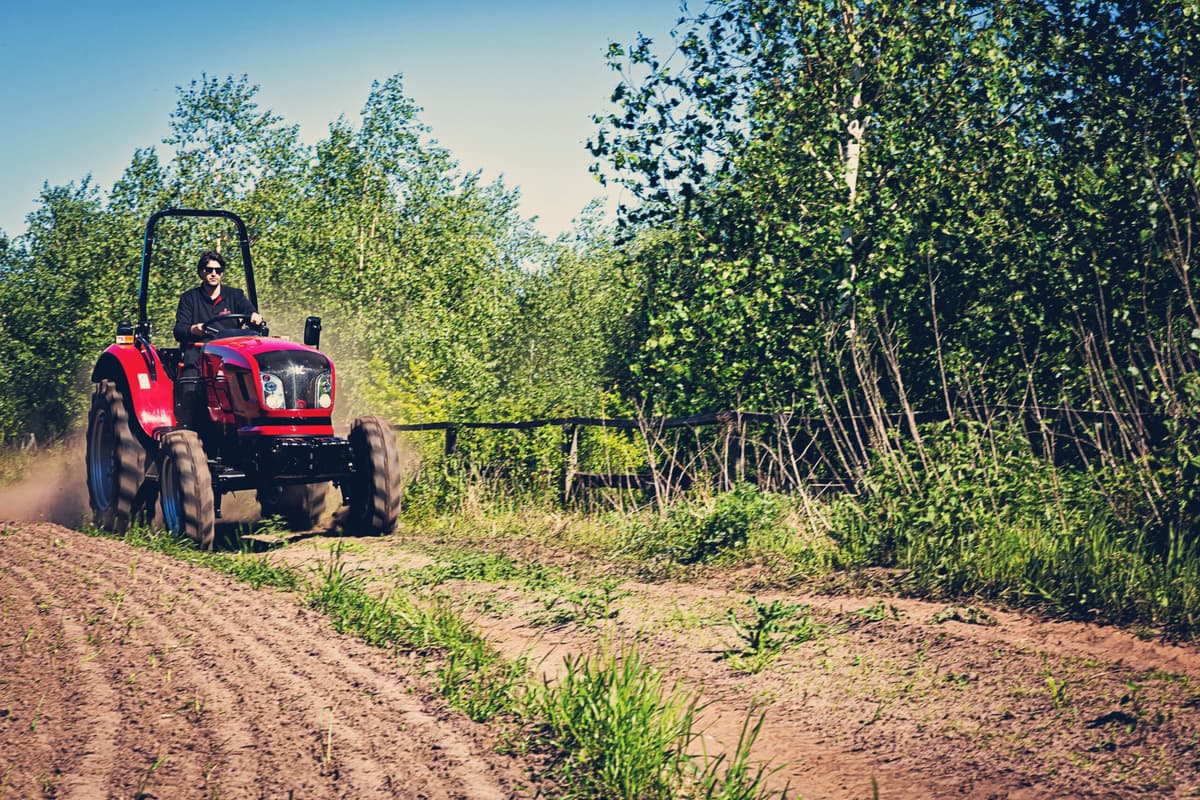
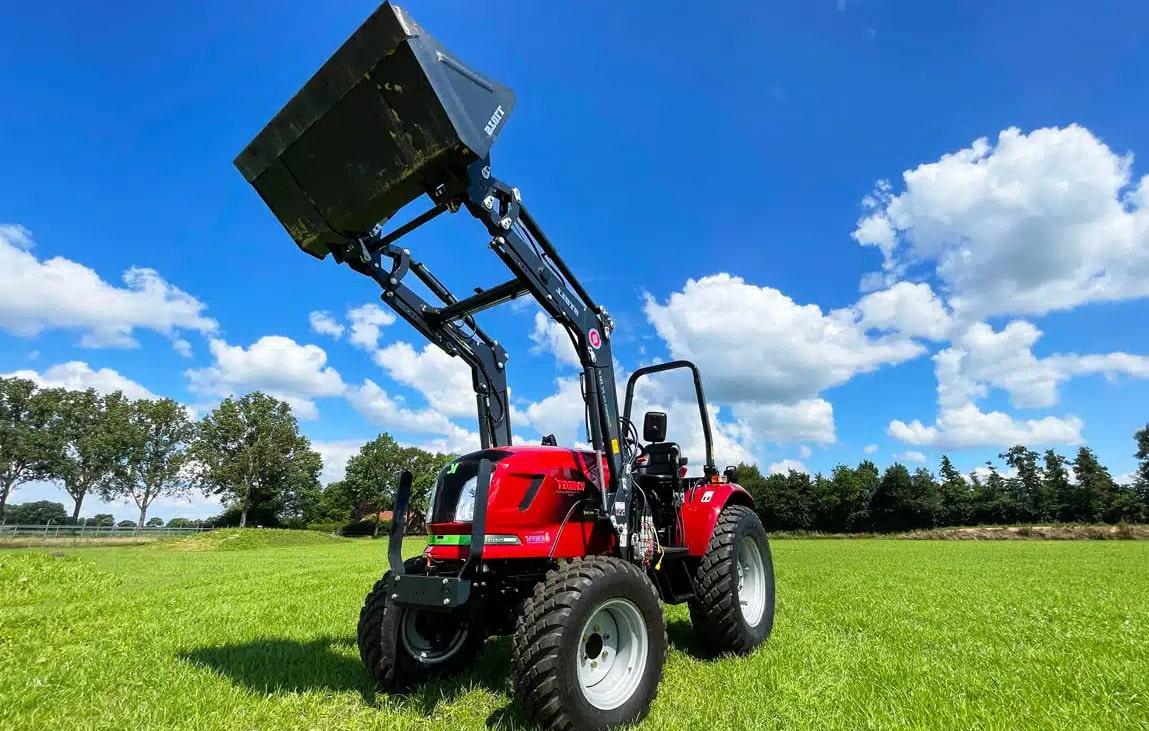
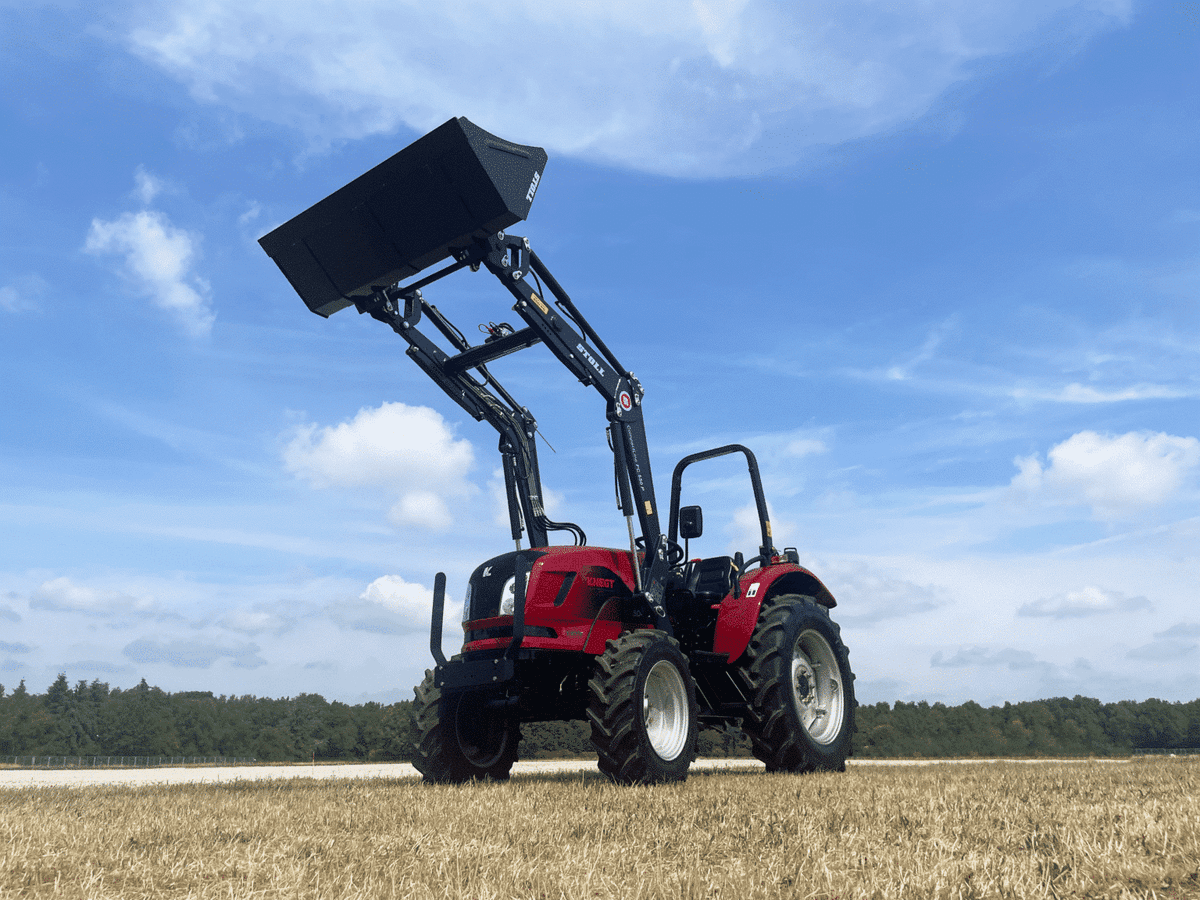
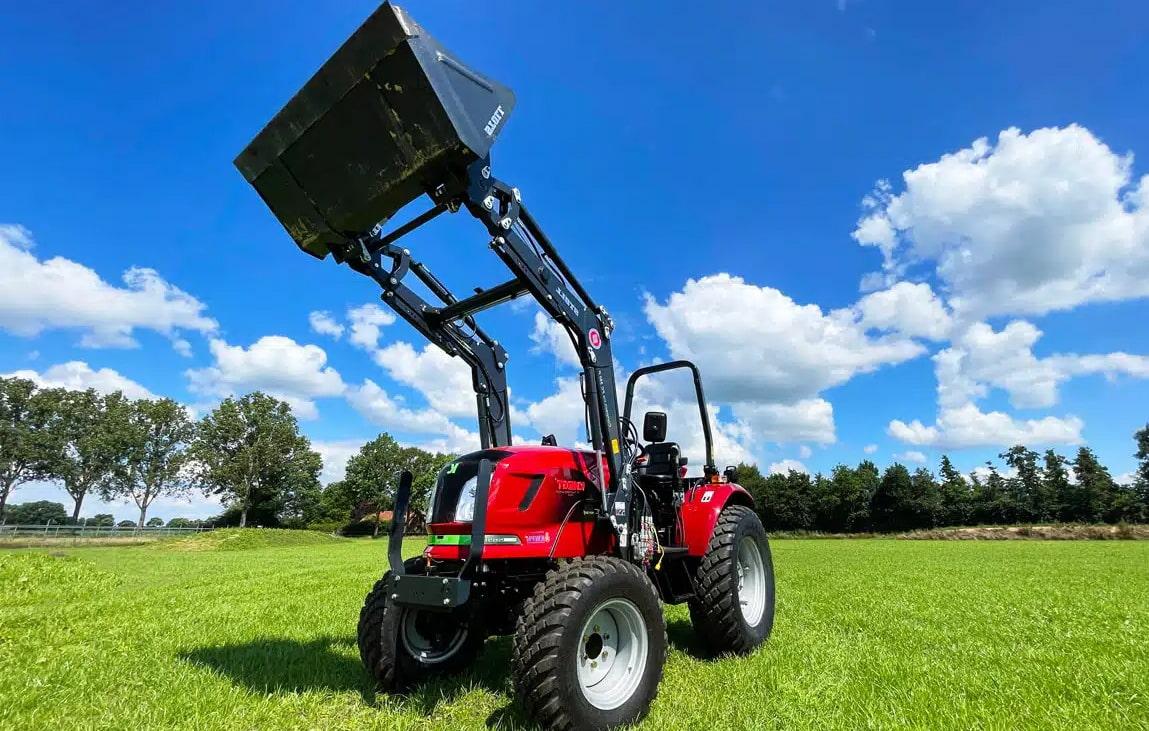
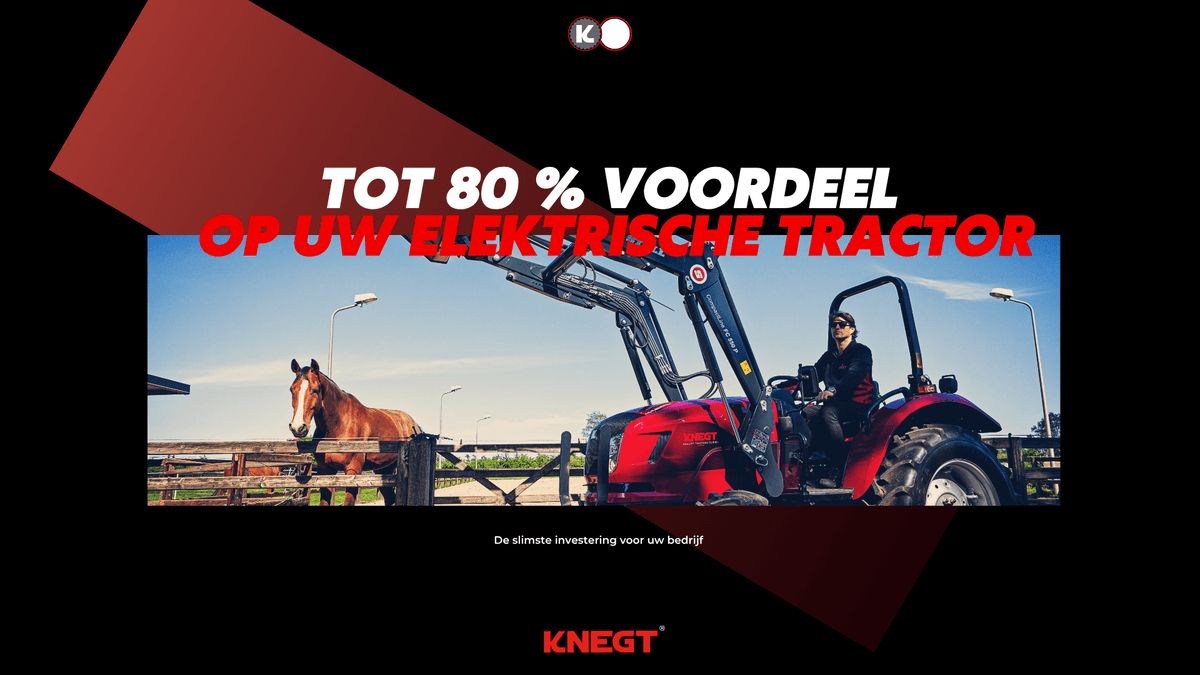
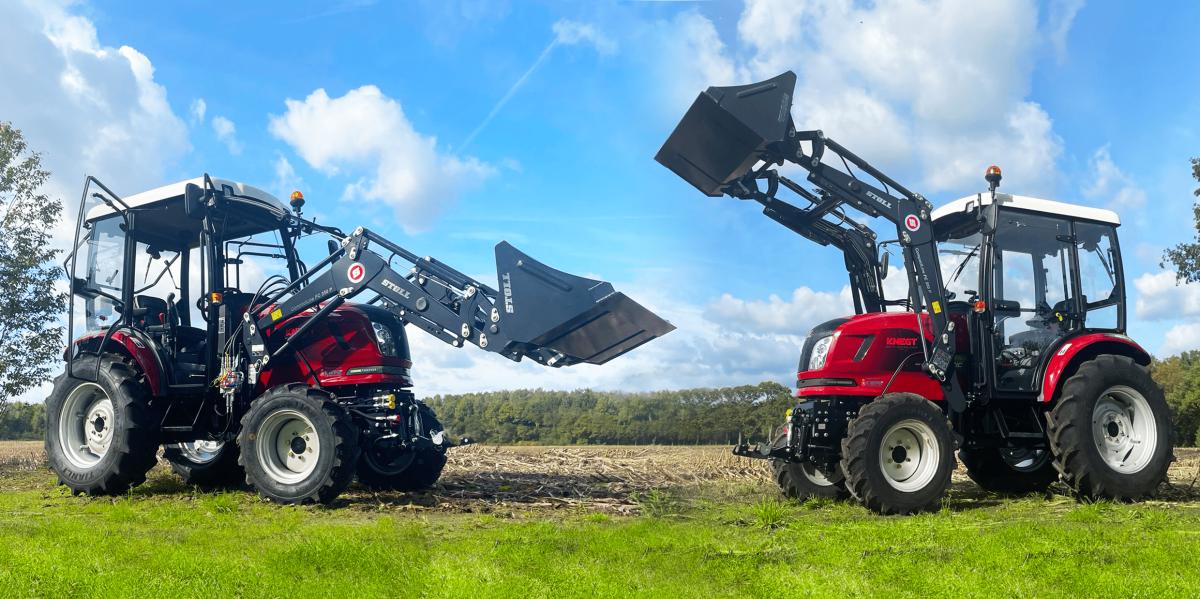
A pasture harrow needs no PTO and little power. More important are low ground pressure, manoeuvrability and a tractor you can also use for the rest of your pasture work. The electric Knegt tractors have four-wheel drive and power steering, and Knegt tractors are available with turf tyres.
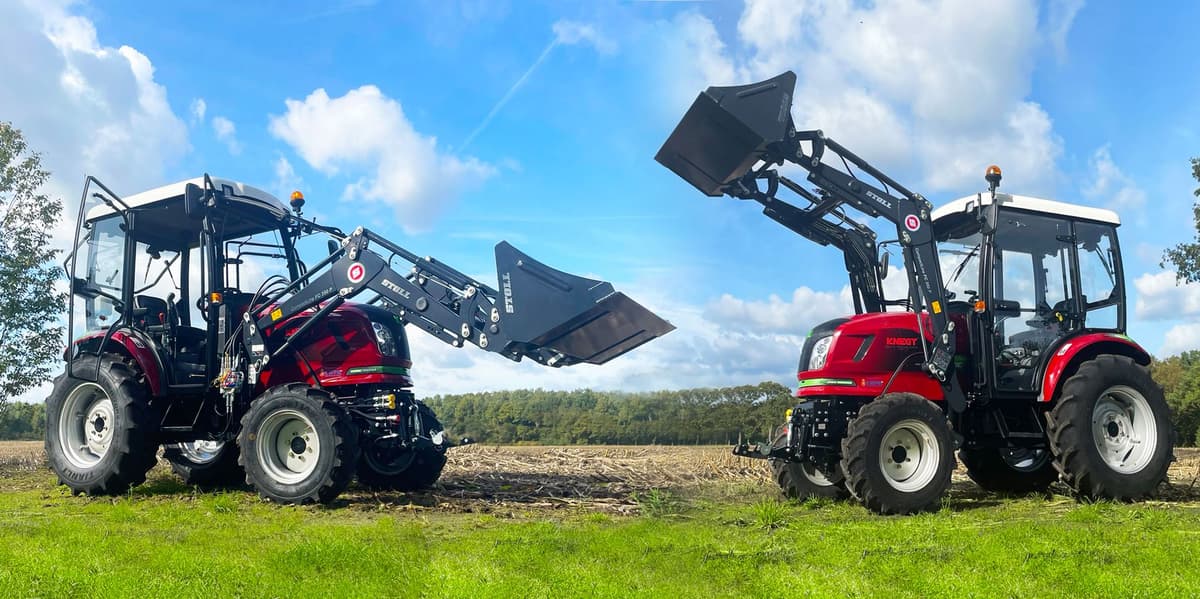
- Knegt 304G2E: 45 hp, of which 30 hp for driving and 15 hp for the hydraulics. Compact and agile, suitable for horse pastures and smaller fields.
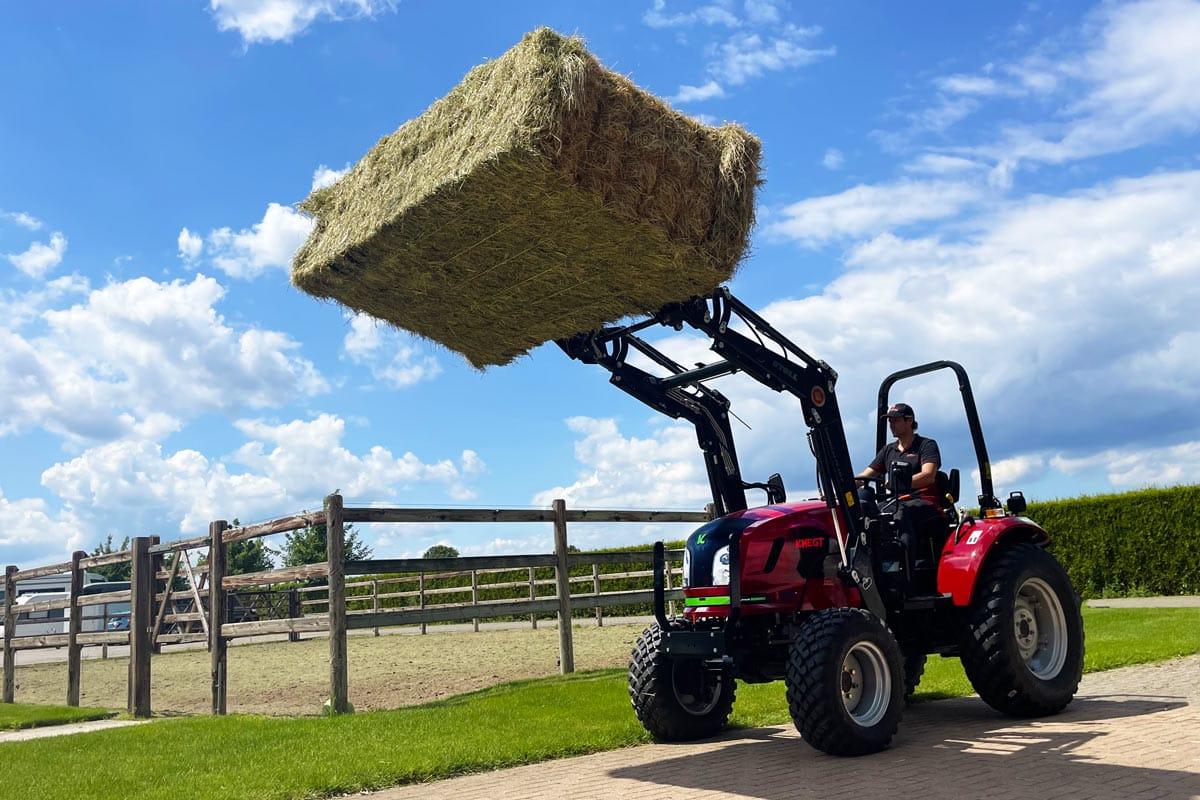
- Knegt 404G2E: 55 hp (40 and 15). An all-rounder that mows and transports as well as harrowing, with a lift capacity of 665 kg at 61 cm behind the ball.
- Knegt 504G3E: 65 hp (50 and 15), with a lift capacity of 1,100 kg at 61 cm behind the ball, for those who also use heavier implements.
If you prefer diesel, you can choose from the 304G2 (25 hp), 404GT (40 hp) and 504GT (50 hp).
An electric compact tractor is quiet and produces no exhaust fumes. That is pleasant when you harrow with horses or other animals nearby. You charge it from a 230V socket or with a fast charger, which takes the battery from 30 to 80 percent in about 2.5 hours. Working time depends on the intensity of the work and the battery option.
A pasture harrow combines well with a pasture topper for topping the grass and a manure scraper for the paddock and yard. That way you handle all your pasture maintenance with one tractor.
Frequently asked questions
How often should I harrow my pasture?
At least once in spring. You can also harrow after a grazing period or when there are many molehills. Exactly how often depends on how the pasture is used and how many animals graze it.
Can I harrow when the ground is wet?
Preferably not. On wet ground the tractor leaves ruts and the harrow smears the top layer shut. Wait until the soil carries the tractor without ruts.
What does the WS200 pasture harrow cost?
The price depends on the version and any current offers. Check the current price on the product page or request a quote from Knegt or your dealer.
Do I need a heavy tractor for a pasture harrow?
No. A pasture harrow does not need to be driven. A compact tractor with four-wheel drive and turf tyres is more than enough for most pastures.
Advice on your pasture maintenance
Would you like to know which tractor and implements suit your pastures? Request a free demo, book an advice session or find a Knegt dealer near you. Together we will look at how you can handle harrowing, mowing and manure clearing with one tractor.